Malicious AI Agent Skills Create a Hidden Supply-Chain Control Plane
Emerging Technology Risk · 3 sources · Updated 3mo ago · First seen Dec 18, 2025

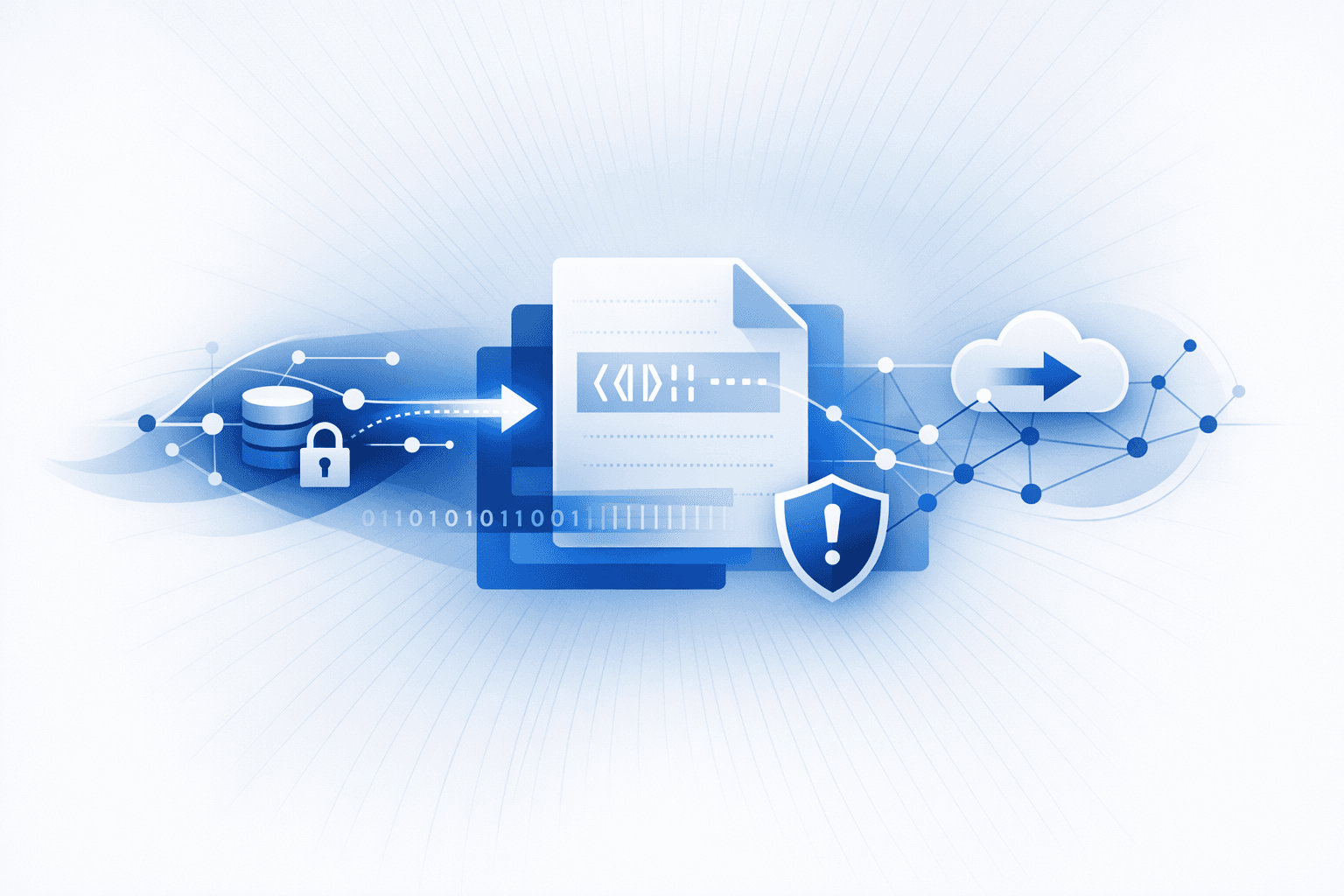
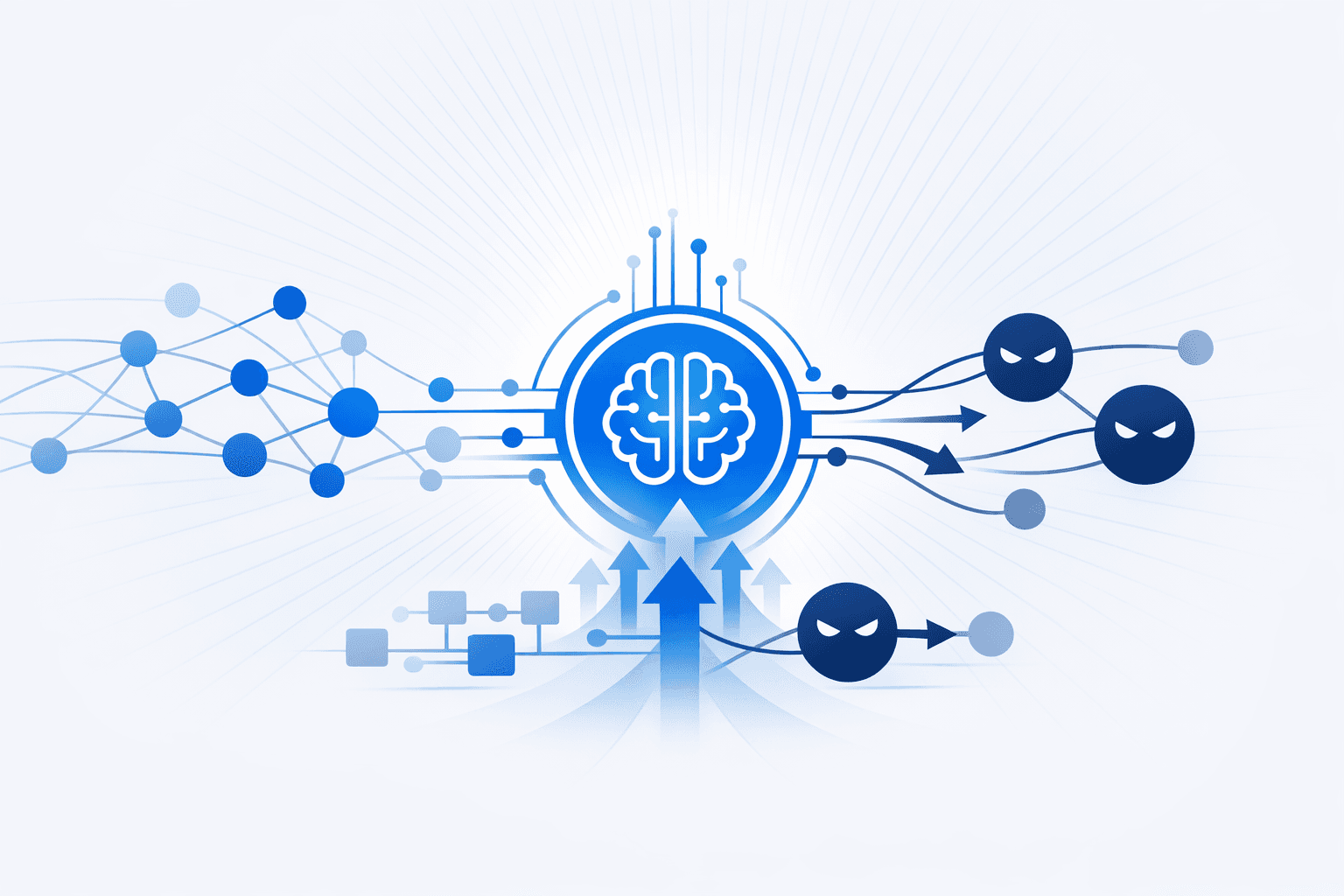
AI-agent skill packages and repository instruction files are emerging as a supply-chain attack vector: attackers can alter natural-language instructions in files such as SKILL.md or AGENTS.md to hijack an agent’s goals and use its existing tools, credentials, filesystem access, and network connectivity. Reported examples include the ClawHavoc campaign, Atomic macOS Stealer distribution through OpenClaw skills, and a malicious ClawHub skill identified by Cisco that exfiltrated data and injected prompts; compromised release pipelines and malicious package releases can also seed this control plane.
The impact depends on the authority granted to the affected agent, particularly where it can execute commands or access secrets without meaningful approval. Organizations should treat agent instructions and skills as privileged, untrusted dependencies: maintain an inventory, review raw source and Unicode content, use vetted internal registries and pinned versions, sandbox agents, constrain credentials and outbound access, and ensure approval prompts disclose the actual command payload and destination. Instruction-file tampering should trigger investigation and restart of potentially compromised agent sessions.
Why it matters
Impact assessment
AI-agent skills and repository instruction files create a high-risk supply-chain control plane when agents can execute commands, access secrets, install dependencies, or make network requests with limited approval. A malicious but functional skill can preserve expected output while covertly steering decisions, enabling credential theft, data exfiltration, malware installation, dependency substitution, and unauthorized transactions.
- Affected environments include coding assistants, CI/CD and scheduled agent jobs, developer workspaces, browser-based agents, agentic commerce systems, and software-dependency-selection workflows.
- Exposure is widespread across organizations adopting third-party skills, public skill marketplaces, agent instruction files such as
SKILL.mdandAGENTS.md, and agent frameworks with broad filesystem, credential, or network permissions. - Confirmed malicious activity includes the January 27-31, 2026 ClawHavoc campaign, which uploaded 341 malicious ClawHub skills; 335 were assessed as part of a coordinated operation. The skills targeted SSH keys, API credentials, cryptocurrency-wallet private keys, browser passwords, and
.envfiles. - At the reported ClawHavoc peak, five of ClawHub's seven most-downloaded skills were confirmed malware. Trend Micro also documented Atomic macOS Stealer distribution through disguised OpenClaw skills.
- Snyk's ToxicSkills audit found critical-severity issues in 13.4% of 3,984 scanned ClawHub and skills.sh skills; 36.8% had at least one security flaw. These figures indicate material ecosystem-wide exposure rather than isolated targeting.
- The business impact scales directly with the agent's authority. Agents holding cloud/API credentials, developer secrets, source access, payment authority, or unrestricted outbound connectivity can convert hidden instructions into account compromise, source-code loss, operational disruption, fraud, and reputational damage.
- A cited March 2026 Trivy release-pipeline compromise exposed publishing credentials and was followed within days by malicious LiteLLM PyPI releases. The incident was contained and reported impact was limited to some leaked API keys, but it demonstrates how conventional package-pipeline compromise can propagate into agent tooling, model access, and available skills.