Mallory
← Back to News
critical-infrastructure-threatoperational-disruptioninternet-exposed-serviceindustrial-control-system-vulnerability

Coordinated Intrusion Disrupts Remote Monitoring at Minnesota Water Utilities

Active Exploitation · 2 sources · Updated 3mo ago · First seen Aug 27, 2026
Coordinated Intrusion Disrupts Remote Monitoring at Minnesota Water Utilities

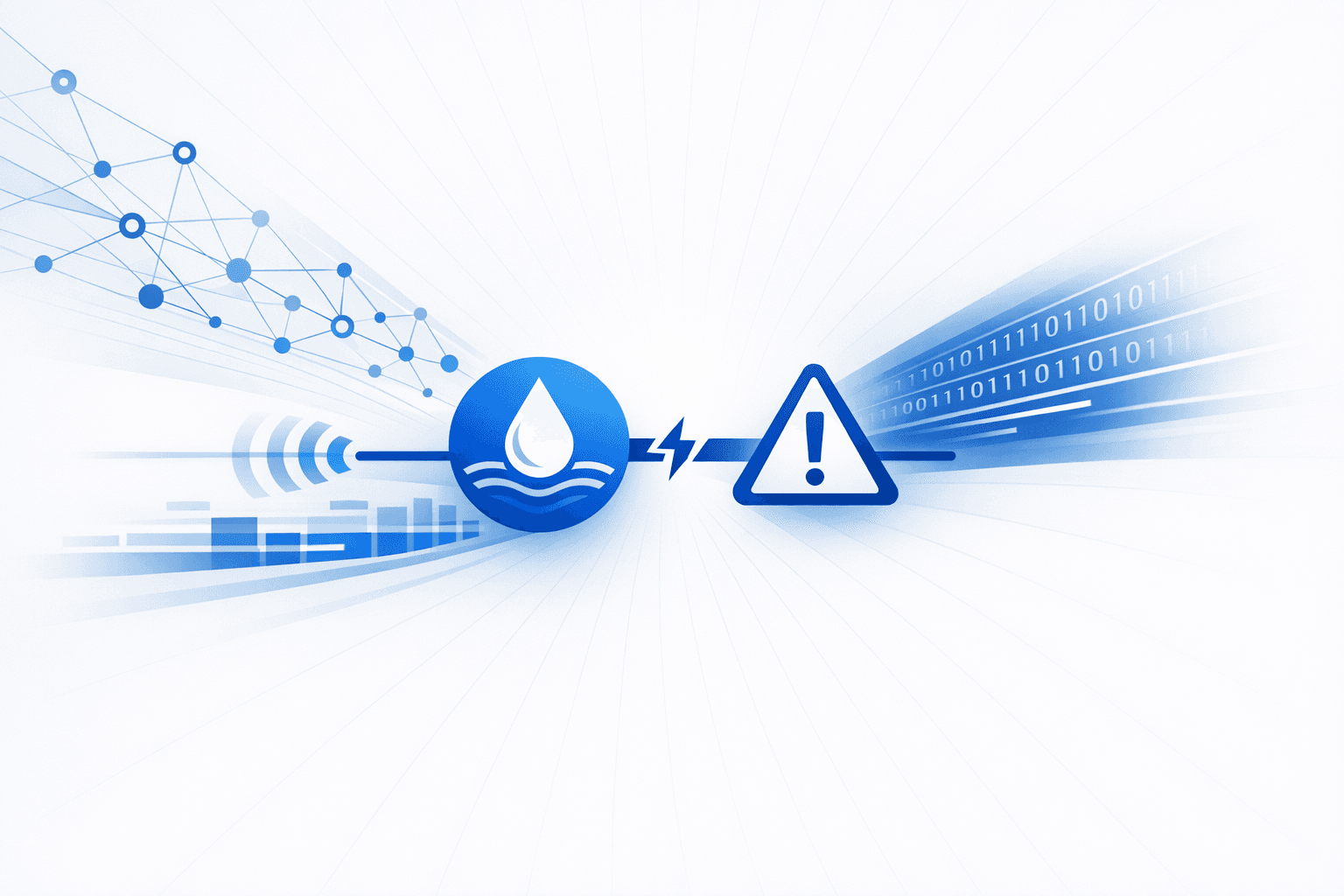
More than 30 Minnesota community water systems reportedly suffered a coordinated intrusion into their operational-technology environments, disrupting remote monitoring and forcing some utilities to operate manually. Attackers reportedly reached internet-exposed programmable logic controllers (PLCs) through cellular gateways, changed controller IP addresses and passwords, and deprived operators of visibility into affected equipment.

Authorities have not confirmed the vulnerability or equipment involved at most affected utilities. The incident nonetheless highlights the risk from publicly reachable OT assets, including exposed Rockwell Logix controllers affected by the actively exploited, unpatched authentication-bypass vulnerability CVE-2021-22681; utilities should remove public OT exposure, segment networks, harden remote access, monitor configuration changes, and maintain tested manual fallback procedures.

Why it matters

Summary

A coordinated July intrusion reportedly affected more than 30 Minnesota community water systems, disrupting OT remote monitoring and forcing manual operations at some facilities. Water service was reportedly maintained through manual fallback procedures, but the event demonstrates a high operational and public-safety risk where internet-exposed PLCs can be altered or made unreachable.

Supporting details

  • Affected population: Small and community water utilities, particularly those using cellular-connected, internet-reachable PLCs, water-tower telemetry, lift-station controls, or remotely managed OT.
  • Operational impact: Reported effects included loss of remote communications with water towers and lift stations, a two-to-three-hour treatment-plant shutdown, resident water-conservation requests, and one local state-of-emergency declaration.
  • Severity: Loss of OT visibility and unauthorized controller configuration changes can delay response to process faults, interrupt treatment or pumping operations, and create public-health, regulatory, financial, and reputational consequences.
  • Scope: More than 30 systems were reportedly affected; four utilities publicly disclosed impacts. This is a coordinated campaign with potentially broad exposure among similarly deployed water-sector environments.
  • Exploitation status: The Minnesota incident's initial-access vulnerability and affected vendor models have not been confirmed. CVE-2021-22681 is actively exploited and is a relevant exposure for publicly reachable Rockwell Logix controllers, but its use in the Minnesota intrusions is unconfirmed.
This is being exploited nowSee which actors are running it and whether you're in range.
Check your exposure
Event timeline

How this story unfolded

Events from the most recent confirmed update back to the earliest known activity.

5 events · 2021
  1. Reported Aug 27, 20263mo ago

    Senators introduce the Water Cyber Shield Act

    Senators Schiff and Klobuchar introduced the proposed Water Cyber Shield Act. The bill would authorize EPA cybersecurity assessments and corrective actions for water and wastewater systems, with proposed authorization of $300 million annually, but it has not become law.

    Prevent OT Incidents with Strong Security Fundamentals | Blog
  2. Reported Aug 27, 20263mo ago

    Water Watch Center announced at DEFCON

    The National Rural Water Association and DEFCON Franklin announced the Water Watch Center, formalizing a two-year pilot that placed roughly 450 volunteer security researchers with small utilities in seven states. The initiative also includes managed detection and response threat-intelligence sharing and a Vanderbilt/DARPA CASTLE digital-twin research partnership.

    Prevent OT Incidents with Strong Security Fundamentals | Blog
  3. Reported Aug 27, 20263mo ago

    Coordinated OT intrusion affects more than 30 Minnesota water systems

    A coordinated intrusion reportedly affected operational-technology environments at more than 30 Minnesota community water systems. Some utilities lost remote communications with water towers and lift stations, switched to manual operations, and one utility temporarily took its water-treatment plant offline; four utilities publicly disclosed effects, including one that declared a local emergency.

    Prevent OT Incidents with Strong Security Fundamentals | Blog
  4. Reported Aug 27, 20263mo ago

    CISA adds CVE-2021-22681 to its KEV Catalog

    CISA added CVE-2021-22681 to its Known Exploited Vulnerabilities Catalog. Rockwell Automation reportedly has no complete patch because the issue is rooted in the protocol's authentication design.

    Prevent OT Incidents with Strong Security Fundamentals | Blog
  5. 2021

    CVE-2021-22681 disclosed for Rockwell Logix controllers

    CVE-2021-22681, a CVSS 9.8 authentication-bypass vulnerability affecting Rockwell Automation Logix controller families, was disclosed. The weakness stems from insufficient protection of a cryptographic key that can allow a client posing as Studio 5000 Logix Designer to be treated as trusted.

    Prevent OT Incidents with Strong Security Fundamentals | Blog
Do you run this?Correlate live exploitation activity against the software you actually run, and see where you're exposed.
See Who's Exploiting This
Mallory platform

See the full picture, correlated to your attack surface.

This page covers what’s public. Mallory adds the parts that aren’t: which of your assets are affected, which threat actors are using it right now, and what to deploy next.

Exposure mappingMap indicators from this story to your assets and identify affected systems in minutes.
Threat actor evidenceEvery observed campaign, victim, and pivot linked to actors named in this story.
Associated malwareMalware, exploits, and IOCs connected to the activity described here.
Detection signaturesYARA, Sigma, and Snort rules deployed to your SIEM as soon as they’re published.
Scheduled alertsGet matching new stories delivered to your team as they break, not the next morning.
AI threadsAsk questions about this story and take action on the answers.