Cyber Av3ngers Exploited Unitronics PLCs at Water Utilities in the U.S. and Ireland
Sector Threat Intelligence · 9 sources · Updated 5mo ago · First seen Apr 2, 2026
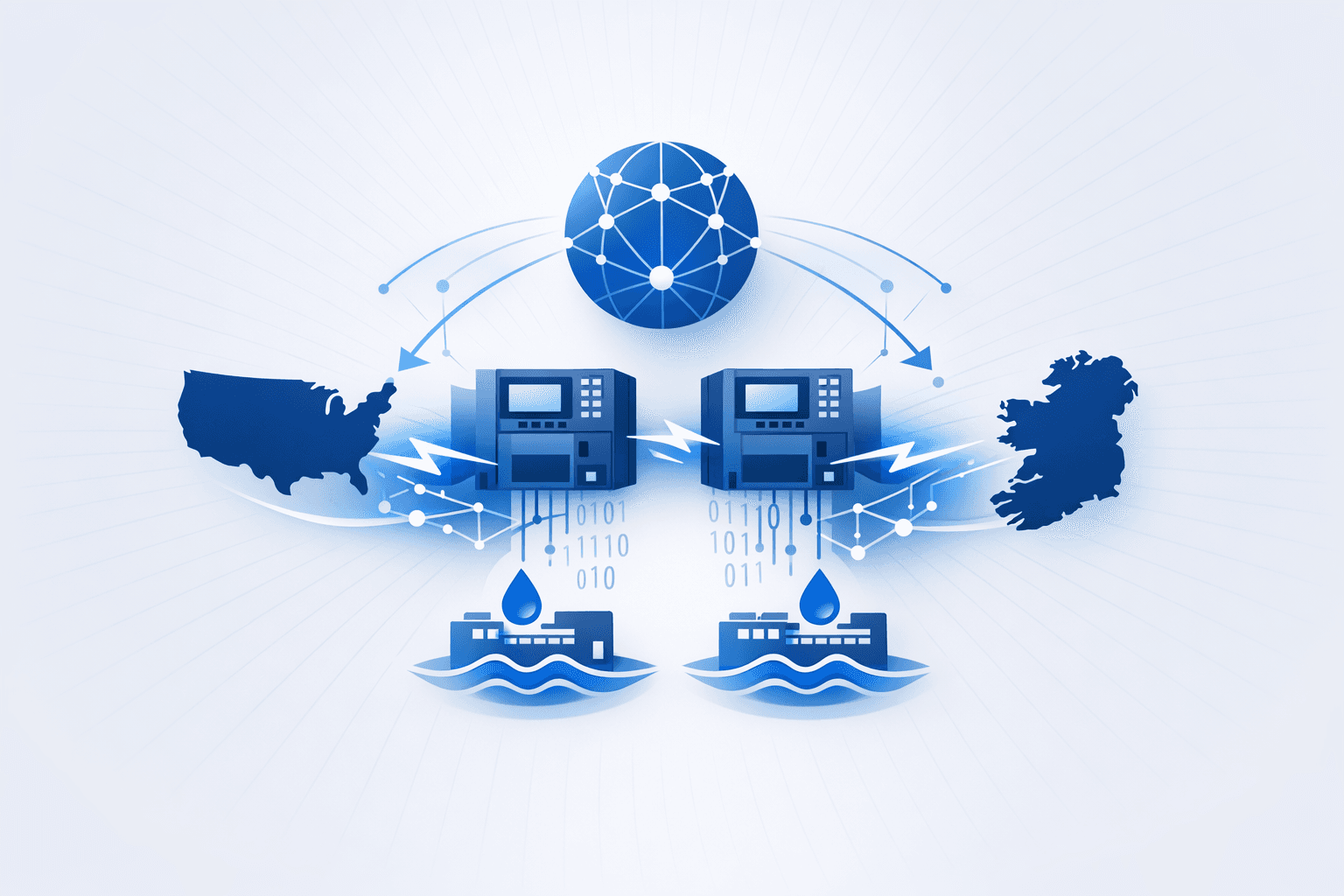
A cyberattack on the Municipal Water Authority of Aliquippa in Pennsylvania exposed a broader campaign targeting Unitronics Vision Series PLCs used in water and wastewater operations. Attackers linked to the pro-Iran Cyber Av3ngers group reportedly defaced facility screens and disrupted a remote water pressure station, prompting operators to take affected equipment offline and switch to manual or backup processes; officials said drinking water quality and core service were not affected because the compromised system was isolated from the main treatment plant. Reporting also cited a separate incident at a North Texas utility, underscoring concern that internet-exposed industrial control systems are being actively targeted across the sector.
U.S. and Irish authorities later tied similar activity to exploitation of weakly secured or internet-accessible Unitronics controllers, including default or poor password practices and the vulnerability tracked as CVE-2023-6448, which was added to CISA's Known Exploited Vulnerabilities catalog. In Ireland, attackers disrupted water service to about 160 households in County Mayo after compromising a PLC at a private group water scheme. CISA warned water operators to remove PLCs from direct internet exposure, change default credentials, enforce multifactor authentication where possible, and back up device configurations as officials and experts warned that undersecured operational technology poses an ongoing risk to critical infrastructure.
Why it matters
Impact assessment
Cyber Av3ngers activity against Unitronics Vision Series PLCs created real operational disruption for water utilities and demonstrates broader exposure across critical infrastructure sectors that use the same controllers. Confirmed impacts included manual operations at the Municipal Water Authority of Aliquippa in Pennsylvania and a two-day water outage affecting about 160 households in County Mayo, Ireland. The campaign appears opportunistic at global scale against internet-exposed or weakly secured devices rather than narrowly targeted to one geography.
Business and operational impact
- Affected organizations include water and wastewater operators using Unitronics Vision Series PLCs and HMIs.
- Likely exposed sectors extend beyond water to energy, food and beverage manufacturing, healthcare, agriculture, HVAC, dairy, chemical, and boiler environments.
- In Aliquippa, operators took the affected pressure-station equipment offline and switched to manual or backup processes.
- In County Mayo, Ireland, the attack disrupted water service for approximately 160 households over two days.
- In Aliquippa, officials stated drinking water quality and customer service were not affected because the compromised system was isolated from the main treatment plant.
- The operational risk is high for smaller utilities with limited OT security staffing and funding.
Scope and severity
- Scope is broader than a single incident: U.S. and Irish authorities tied the activity to a wider global exploitation campaign.
- Exposure is potentially widespread because Unitronics PLCs are commonly internet-accessible for remote monitoring and control.
- Severity ranges from nuisance defacement and manual fallback to service disruption, with potential for larger consequences if treatment or pumping processes are directly affected.
- Reputational and regulatory pressure is elevated because the incidents affected critical infrastructure and received national-level government attention.
Known exploitation in the wild
- Active exploitation in the wild is confirmed by CISA.
- CISA added CVE-2023-6448 to the Known Exploited Vulnerabilities catalog.
- Reported incidents include Aliquippa, Pennsylvania, and County Mayo, Ireland.
- A separate North Texas utility reported a cybersecurity incident causing operational issues, though no confirmed Unitronics linkage was established in the cited reporting.