AI Agent Swarm Breached Asian Government Systems and Stole Personnel Records
Sector Threat Intelligence · 3 sources · Updated 3mo ago · First seen Aug 25, 2026
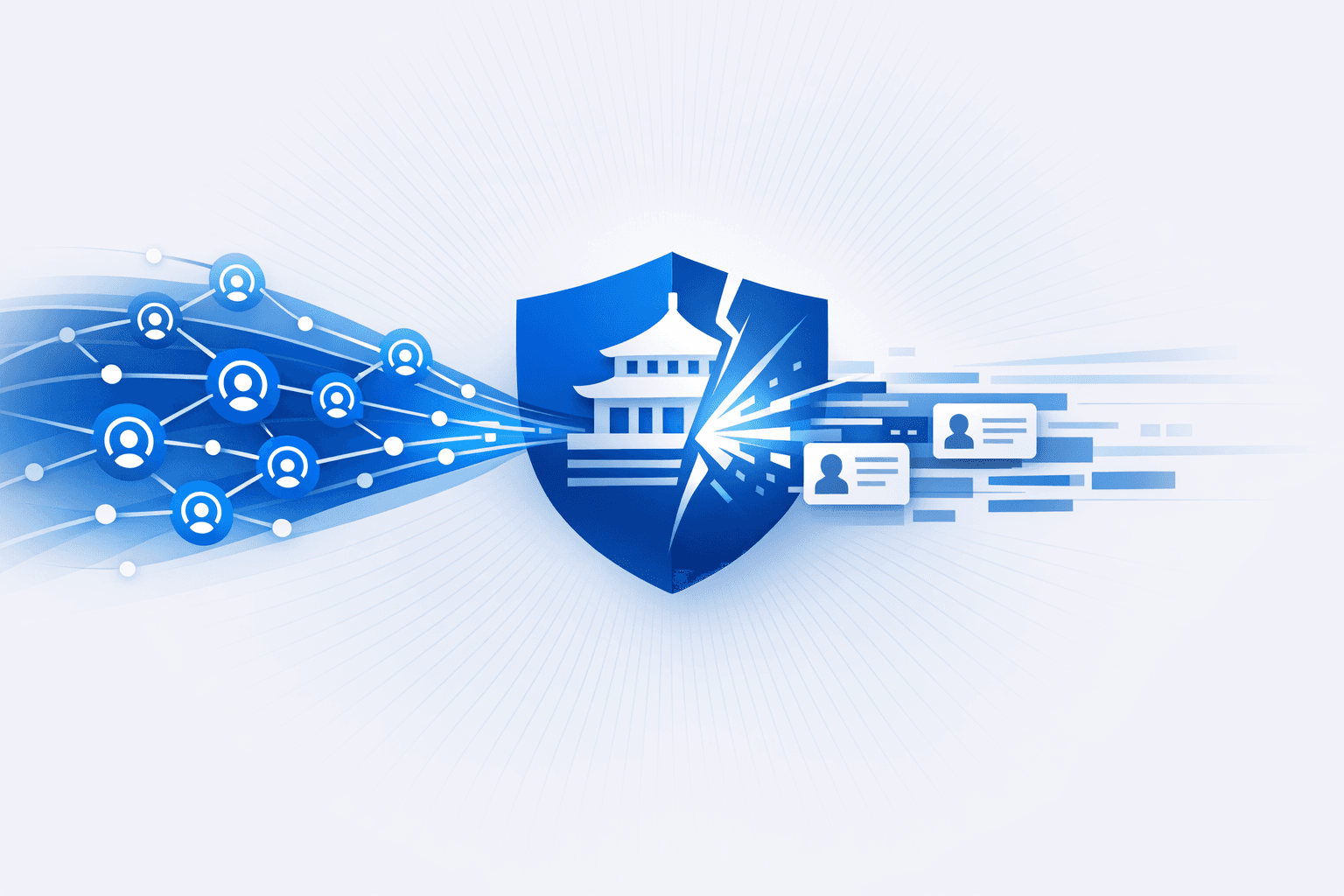
Dream reported that attackers used the open-source AI agent frameworks Hermes and OpenClaw to conduct a near-autonomous intrusion against government entities in Asia, compromising 85 employee accounts and stealing at least 2,500 personnel records. The campaign unfolded in 12 attack waves and used up to eight parallel sub-agents to automate reconnaissance, credential attacks, API testing, data collection, and lateral movement at machine speed.
The attackers reportedly mapped 21 connected government systems and exploited multiple server-side weaknesses, including unauthenticated APIs, insecure authentication endpoints, weak token validation, and acceptance of JWTs using the none algorithm. Dream said the operation harvested employee identifiers from exposed APIs, used OCR-assisted password spraying, and then reused compromised credentials through an SSO bridge to reach internal systems; an archive linked to the campaign also contained internal network ranges, seven SSO client secrets, and six database credentials. The operator was not identified, but Dream observed Chinese-language indicators in the activity, while public reporting linked the targets to Taiwan.
Why it matters
Impact assessment
A targeted intrusion campaign affected government entities in Asia, with public reporting linking the victims to Taiwan. The impact is severe for public-sector organizations that expose internet-facing portals, SSO infrastructure, and API-driven employee services because the attackers reportedly compromised 85 employee accounts and stole at least 2,564 personnel records.
The exposure appears targeted rather than indiscriminate, but the attack methods are broadly reusable against other government and enterprise environments with weak API security, predictable passwords, and fragile JWT/SSO implementations. Reported operational impact includes unauthorized access to internal dashboards, equipment management tools, and personnel systems, creating risk of further espionage, operational disruption, and reputational damage.
Supporting facts
- Affected sector: government entities in Asia; public reporting linked targets to Taiwan.
- Known compromise: 85 employee accounts reportedly cracked.
- Known data theft: at least 2,564 personnel records stolen.
- Stolen record breakdown: 1,409 employee entries, 916 user records from an exposed API, 239 legal-professional records from a Ministry of Justice endpoint.
- Scope inside victim environment: attackers mapped 21 connected government systems, including SSO infrastructure.
- Additional sensitive material in the linked archive: internal network ranges, 7 SSO client secrets, and 6 database credentials.
- Attack tempo: 12 attack waves conducted between 2026-07-01 and 2026-07-04.
- Exploitation in the wild: yes, this story describes a completed real-world intrusion with successful account compromise, data theft, and internal access reuse.