UK Cyber Bill Would Let Ministers Secretly Block Risky Tech Suppliers
Regulatory & Policy · 2 sources · Updated 3mo ago · First seen Aug 25, 2026

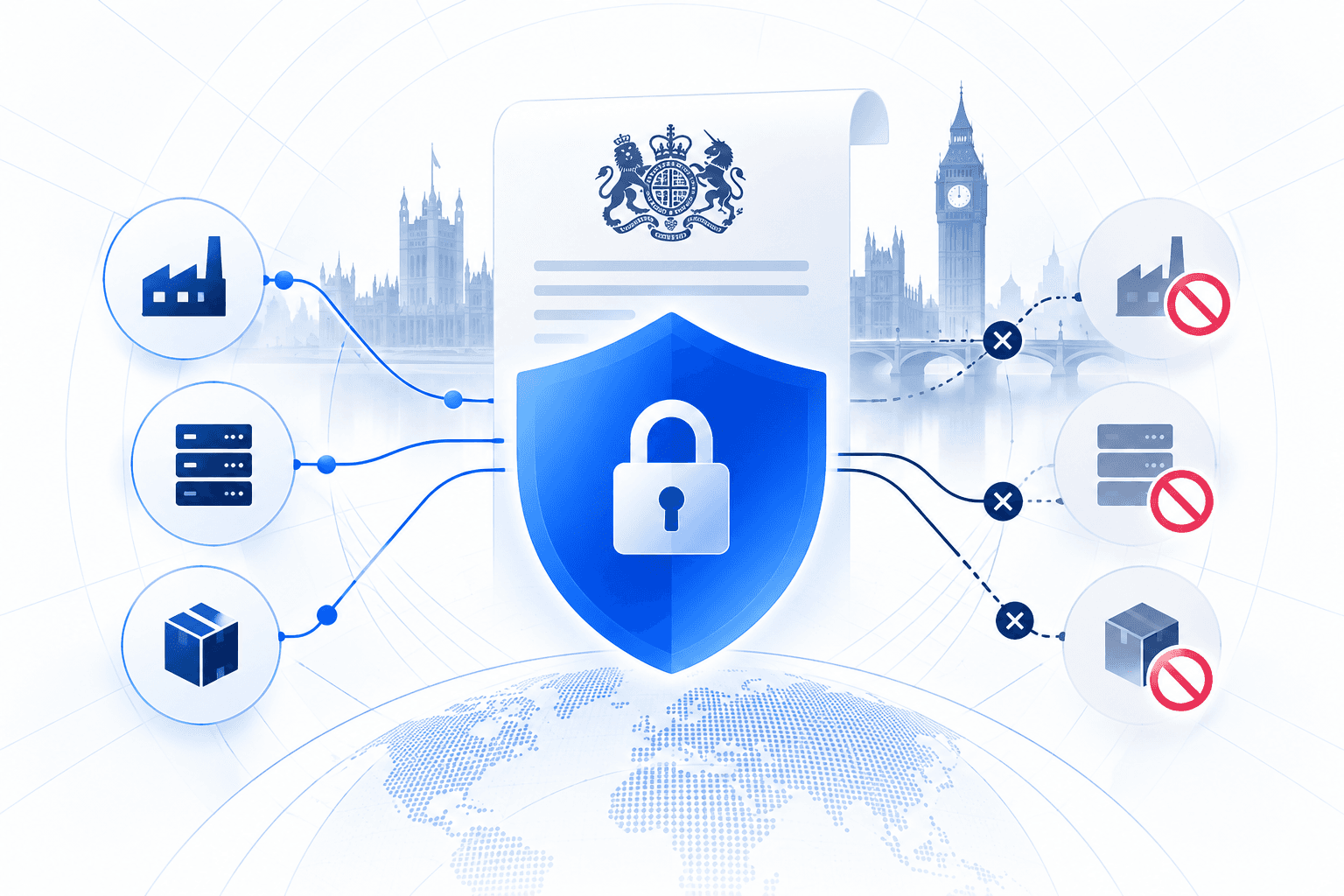
The UK government has proposed amendments to its Cyber Security and Resilience Bill that would give ministers new powers to restrict, condition, phase out, or ban technology suppliers used by operators of essential and critical services on national security grounds. The measures would apply beyond telecoms to sectors including energy, water, transport, healthcare, managed service providers, data centers, and digital infrastructure, and are intended to reduce the risk of hostile-state-linked vendors being used for spying, sabotage, or disruption.
Under the proposed vendor-related direction regime, the government could intervene when organizations seek to buy from suppliers judged to pose critical risks, require extra security controls, or order withdrawal of existing technology. The framework would also allow ministers to act without publicly naming the vendor and, in some cases, without directly notifying the supplier, while restricting recipients and consulted parties from disclosing the order. The package also includes cyber-safe procurement guidance, a voluntary referral process for uncertain buyers, public notice that a direction was issued, and annual reporting to Parliament ahead of House of Lords scrutiny.
Why it matters
Impact assessment
The story describes a proposed UK regulatory and national-security control regime, not a newly disclosed software flaw or active campaign tied to a specific vendor. Organizations operating essential or critical services in the UK would face potentially significant operational, procurement, and compliance impact if ministers direct them to restrict, phase out, disable, or remove technology from suppliers deemed risky.
Summary
Affected entities include UK operators in energy, water, transport, healthcare, managed service providers, data centers, digital infrastructure, and potentially other organizations designated as engaged in essential activity. The primary impact is operational disruption, supply-chain replacement cost, compliance burden, and reputational exposure for recipient organizations publicly named as subject to a direction. The scope could become broad across UK critical sectors, but the story does not report a specific exploitation event or confirmed vendor action in the wild tied to these proposed powers.
Supporting details
- Affected sectors named in the references:
- Energy
- Water
- Transport
- Healthcare/health
- Managed service providers
- Data centers
- Digital infrastructure
- Telecoms precedent via prior Huawei-related restrictions
- Potential business impacts:
- Forced procurement changes or bans on acquiring certain products/services
- Required phased withdrawal or removal of installed technology
- Additional mandated security controls
- Service disruption risk during replacement, disablement, or modification of deployed equipment
- Increased legal/compliance overhead due to secrecy and approval requirements
- Reputational and governance impacts:
- Government may publicly identify the recipient company while withholding the vendor name
- Recipients and consulted parties may be restricted from discussing the direction
- Scope and exposure:
- Powers are proposed to extend beyond currently regulated telecoms use cases
- Ministers could apply directions to persons engaged in essential activity or providing essential goods/services in the UK
- Exploitation status:
- No CVE, malware family, or confirmed in-the-wild exploitation associated with the bill itself
- The references cite broader concern about hostile-state-linked suppliers and separate NCSC warnings about Iranian-backed threats, but these are contextual rather than evidence of exploitation of a specific product in this story