Mallory
← Back to News
package-repository-poisoningremote-access-implantcommand-and-control-methodoffensive-tooling-release

Trojanized npm Packages Deploy RedC2 Linux Backdoor on Import

Supply Chain Risk · 6 sources · Updated 3mo ago · First seen Aug 21, 2026
Trojanized npm Packages Deploy RedC2 Linux Backdoor on Import

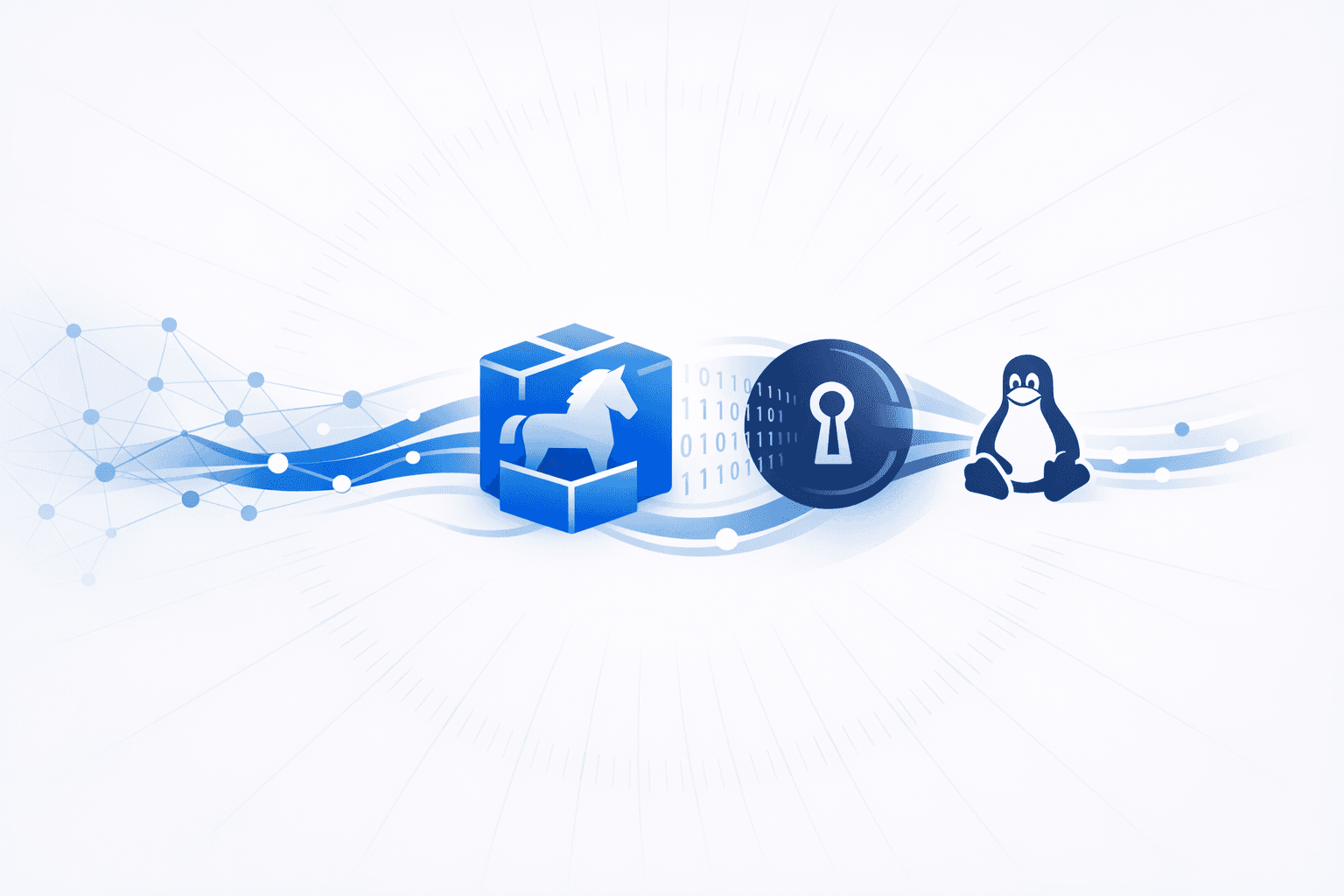
Researchers reported 14 trojanized npm packages posing as calendar, date, and streak utility libraries that secretly install the RedShell Linux beacon tied to the RedC2 4.0 command-and-control framework. The malicious code runs when a package is merely imported—including through transitive dependencies—by using dist/index.mjs to mark a bundled ELF binary as executable and launch it as a detached background process, avoiding traditional npm install hooks and rendering mitigations such as --ignore-scripts ineffective.

The implanted payload connects over TLS to a hardcoded C2 server at 217.60.77.63:8792 with certificate verification disabled and provides capabilities including persistence, credential theft, fileless execution, tunneling, SOCKS proxying, and data exfiltration. Researchers said RedC2 is marketed as a cross-platform toolkit for Windows, macOS, and Linux, and includes an AI-enabled Red Agent component that converts natural-language prompts into post-exploitation actions, underscoring how weaponized open-source packages can quietly deliver a full-featured backdoor and reduce the skill required for follow-on intrusions.

Why it matters

Impact assessment

This is a high-risk software supply chain compromise affecting JavaScript/Node.js development environments, CI/CD runners, Linux build hosts, and any production workloads that import the listed npm packages directly or transitively. Impact can extend beyond a single developer endpoint to source code theft, credential compromise, internal network pivoting, and exposure of cloud and deployment secrets.

The scope is potentially broad because execution occurs at module import time rather than during npm install, so common mitigations such as --ignore-scripts do not stop the payload. The story describes active malicious packages and published infrastructure/artefacts, which indicates real-world malicious use rather than a theoretical weakness.

Affected populations

  • Organizations using Node.js/npm packages in developer workstations, build systems, CI/CD pipelines, or Linux application hosts
  • Software vendors, SaaS providers, cloud-native teams, and enterprises with internal package consumption
  • Environments where transitive dependencies are not tightly controlled
  • Linux systems specifically, because the delivered implant is a native Linux ELF backdoor

Severity and business impact

  • Credential theft risk: SSH keys, browser-stored credentials, and database-related files
  • Intellectual property risk: source code and build artifacts may be exposed
  • Infrastructure risk: attackers can use SOCKS5 proxying, tunneling, and port forwarding to pivot into internal services
  • Operational risk: compromised build or deployment infrastructure can enable downstream compromise of applications and environments
  • Reputational and financial risk: supply-chain compromise can affect customers, release integrity, and incident response costs

Scope and exploitation status

  • Exposure is broader than a targeted single-host event because any direct or transitive import can trigger execution
  • The malicious packages preserved legitimate functionality, increasing dwell time and reducing suspicion
  • The reporting identifies deployed malicious packages, payload hashes, file artefacts, and live C2/exfiltration infrastructure, supporting assessment of in-the-wild malicious activity
Does this reach your builds?Trace attribution and downstream blast radius.
Trace the chain
Event timeline

How this story unfolded

Events from the most recent confirmed update back to the earliest known activity.

6 events · Aug 2025 – Aug 21, 2026
  1. Reported Aug 21, 20263mo ago

    Researchers identify trojanized npm packages delivering RedShell

    Researchers discovered a cluster of npm packages masquerading as date, calendar, and streak utilities that secretly bundled and launched the RedShell Linux implant from RedC2 4.0. The packages remained functional while executing the payload when imported, including through transitive dependencies.

    14 Trojanized npm Packages Drop RedC2 4.0 Linux Backdoor With AI-Assisted C2
  2. Aug 21, 20263mo ago

    TrendAI publishes technical analysis of the npm supply-chain attack

    TrendAI Research published a report detailing how dist/index.mjs in the malicious packages launched the bundled ELF implant at module import time without npm lifecycle hooks. The analysis also documented RedShell's C2 behavior, persistence methods, and Red Agent AI-assisted post-exploitation capability.

    14 Trojanized npm Packages Drop RedC2 4.0 Linux Backdoor With AI-Assisted C2
  3. Jun 2026

    Threat actor advertises RedC2 4.0 on Hack Forums

    In early June 2026, a threat actor using the name MarlboroMan advertised RedC2 4.0 on Hack Forums as a command-and-control framework built for evasion.

    14 Trojanized npm Packages Drop RedC2 4.0 Linux Backdoor With AI-Assisted C2
  4. Jun 1, 20266mo ago

    RedC2 4.0 gains Linux support with RedShell

    TrendAI says RedC2 4.0 introduced native Linux support through the RedShell implant. This added a Linux beacon to the cross-platform command-and-control framework.

    Prompting the Payload: How an npm Supply Chain Attack Delivers the RedC2 AI-Powered Linux Implant | TrendAI (US)
  5. Jan 2026

    RedC2 3.0 offered for sale

    The report says RedC2 version 3.0 was sold in January 2026, showing continued development and commercialization of the framework.

    14 Trojanized npm Packages Drop RedC2 4.0 Linux Backdoor With AI-Assisted C2
  6. Aug 2025

    RedC2 2.0 released

    Trend Micro's report states that RedC2 version 2.0 was released in August 2025.

    14 Trojanized npm Packages Drop RedC2 4.0 Linux Backdoor With AI-Assisted C2
Linked entities

Related entities

Vulnerabilities, threat actors, malware, products, organizations, breaches, and observables Mallory has linked to this story. Indicator values are masked here and available in full in the app.

Open in app →

Malware

3 linked

Affected products

1 linked
Npm

Organizations

1 linked
npm, Inc.

Observables

3 linked

Indicator values are masked on this page. See the values in Mallory Domains, IPs, hashes, and URLs are exportable to your SIEM.

Do you run this?See attribution and downstream blast radius, and whether this package or vendor reaches your builds.
Trace the Supply Chain
Mallory platform

See the full picture, correlated to your attack surface.

This page covers what’s public. Mallory adds the parts that aren’t: which of your assets are affected, which threat actors are using it right now, and what to deploy next.

Exposure mappingMap indicators from this story to your assets and identify affected systems in minutes.
Threat actor evidenceEvery observed campaign, victim, and pivot linked to actors named in this story.
Associated malwareMalware, exploits, and IOCs connected to the activity described here.
Detection signaturesYARA, Sigma, and Snort rules deployed to your SIEM as soon as they’re published.
Scheduled alertsGet matching new stories delivered to your team as they break, not the next morning.
AI threadsAsk questions about this story and take action on the answers.