US Agencies Warn of AI-Generated Attacks Targeting Siemens S7 PLCs
Vulnerability Disclosure · 21 sources · Updated 3mo ago · First seen Aug 19, 2026
U.S. agencies including NSA, CISA, FBI, DOE, and EPA warned that threat actors are actively targeting Siemens S7 Series PLCs used across critical infrastructure, including water and wastewater, energy, chemical, food and agriculture, manufacturing, commercial facilities, and potentially the Defense Industrial Base. The advisory says attackers are focusing on internet-exposed controllers with outdated software, weak authentication, or known high-severity vulnerabilities, using AI-generated Python scripts disguised as legitimate monitoring tools and leveraging components such as snap7.dll and python-snap7 to communicate with and exploit devices.
Officials said the activity appears aimed at persistent reconnaissance and capability development that could support future disruption of industrial operations. A successful compromise could lead to process outages, safety incidents, equipment damage, sensitive data exposure, compliance issues, and cascading effects across connected environments. Agencies urged operators to inventory Siemens S7 assets, remove direct internet exposure, apply updates and patches, strengthen access controls, and increase monitoring for suspicious activity on OT networks.
Why it matters
Impact assessment
U.S. critical infrastructure operators using Siemens S7 PLCs face an active OT threat centered on internet-exposed or weakly secured controllers, especially in water and wastewater, energy, critical manufacturing, chemical, food and agriculture, commercial facilities, and potentially the Defense Industrial Base. The impact can extend beyond cyber compromise to physical process disruption, safety incidents, equipment damage, downtime, sensitive operational data exposure, compliance issues, and cascading supply-chain effects.
The exposure is broad because the activity targets common Siemens S7 families and relies on insecure exposure, weak credentials, outdated firmware, and known vulnerabilities rather than a single niche flaw. There are reported real-world incidents, including a late-July 2026 disruption at a Minnesota water treatment plant and coordinated PLC lockouts affecting roughly 30 water systems across at least seven states.
Supporting facts
- Advisory: AA26-231A, issued jointly by NSA, CISA, FBI, DOE, and EPA on August 19, 2026.
- Affected sectors: Critical Manufacturing, Energy, Water and Wastewater, Chemical, Food and Agriculture, Commercial Facilities; possible Defense Industrial Base exposure.
- Affected products: Siemens S7-200, S7-300, S7-400, S7-1200, and S7-1500, including F-series safety controllers.
- Scope: active targeting of U.S.-based Siemens PLC installations; broader PLC targeting activity also noted beyond Siemens.
- Consequences cited: process outages, downtime, safety incidents, equipment damage, sensitive data compromise, compliance violations, and cascading operational impacts.
- Known incidents: Minnesota water treatment disruption in late July 2026; coordinated PLC lockouts reportedly impacted about 30 water systems across at least seven states.
- Observed lockout behavior: remote password and IP address changes on PLCs.
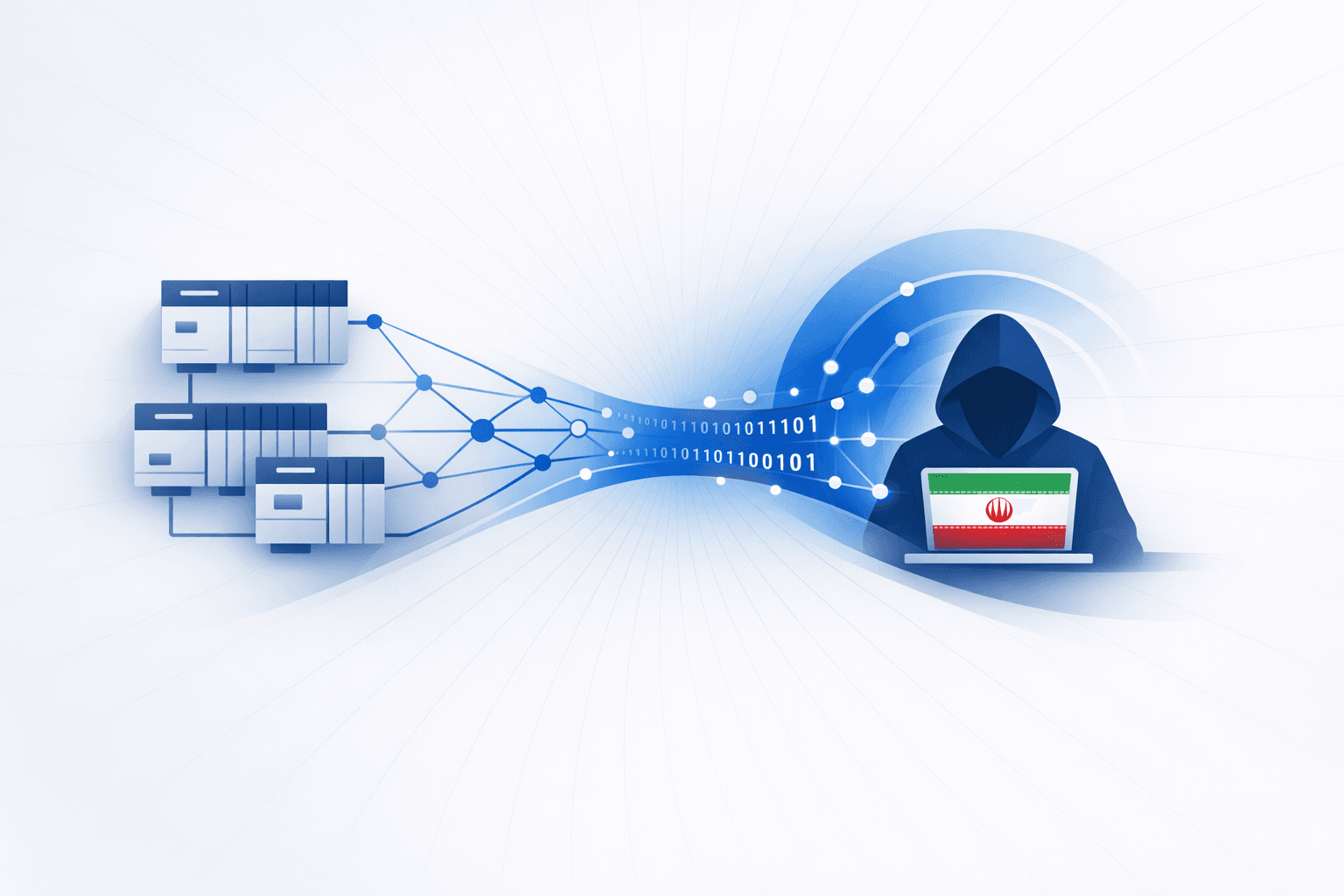
- Attribution: no formal attribution in the advisory; some reporting cites suspected Iran-linked patterns and possible CyberAv3ngers involvement, but this remains unconfirmed in the government advisory.