Cloudflare Launches WriteGuard to Restrict Risky AI Agent Actions on MCP Servers
Emerging Technology Risk · 3 sources · Updated 3mo ago · First seen Aug 18, 2026
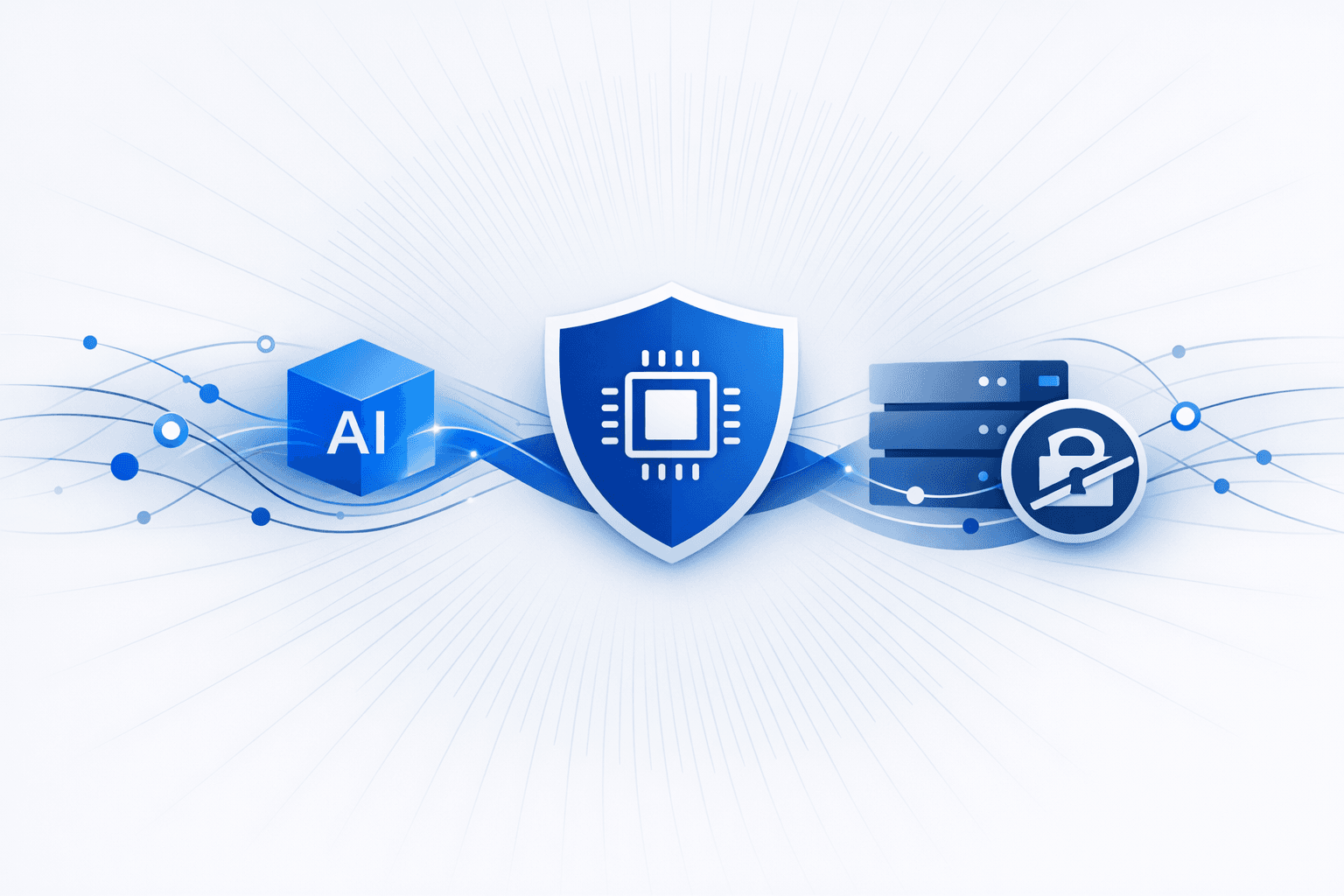
Cloudflare has introduced WriteGuard, a private beta security layer for Model Context Protocol (MCP) servers that intercepts agent requests, enforces tool-specific policies, and logs blocked or failed actions for centralized auditing. The service is designed to curb the risk of AI agents using existing OAuth-backed access to perform sensitive write operations across databases, internal APIs, GitHub, GitLab, Jira, Google Workspace, SaaS platforms, and internal wikis. Cloudflare said WriteGuard can apply consistent controls across multiple MCP servers without requiring changes to each server, while preserving attribution by tying MCP client and session context to the human user and scrubbing sensitive values before audit events are stored.
The launch comes as MCP-connected tools are gaining direct write access to production workflows. ElevenLabs recently introduced a hosted MCP connector that lets Claude inspect and modify ElevenAgents configurations, including changing prompts, voices, languages, retrieving transcripts, generating sample speech, estimating costs, and even deleting agents from a chat interface. ElevenLabs said it uses OAuth plus organization- and session-level controls and urged users to review tool calls before approval, warning that approval alone does not guarantee safe or correct downstream behavior; the company also pointed teams to testing, versioning, and CLI/API-based rollout practices for stronger governance.
Why it matters
Summary
Cloudflare WriteGuard addresses an emerging exposure class: AI agents with legitimate OAuth-backed access performing unsafe or destructive write actions through MCP-connected tools. The immediate impact is highest for organizations adopting MCP for production workflows across developer platforms, SaaS, internal APIs, databases, and collaboration systems, where unauthorized or erroneous agent actions could cause operational disruption, data loss, or governance failures.
Affected scope
- Affected users: organizations deploying MCP servers and AI agents with write-capable access to enterprise tools.
- Affected environments: databases, internal APIs, GitHub, GitLab, Jira, Google Workspace, SaaS platforms, and internal wikis.
- Affected user populations: development teams, platform engineering, IT operations, knowledge management, and business users relying on AI-assisted workflow automation.
- ElevenLabs users are specifically exposed to agent-management actions through a hosted MCP connector for ElevenAgents via Claude.
Severity and business impact
- Severity is moderate to high depending on granted permissions and connected systems.
- Potential impacts include destructive configuration changes, bulk record deletion, production deployment triggers, merge completion, prompt tampering, and deletion of production voice agents.
- Business consequences include service disruption, integrity loss in production workflows, accidental data modification, compliance issues from weak attribution, and reputational damage if AI-driven changes affect customer-facing systems.
Scope and exploitation status
- Scope is broad but currently tied to organizations actively adopting MCP-connected tooling rather than the general internet.
- This is an exposure and control story, not a disclosed software flaw or active intrusion campaign.
- No CVEs were cited.
- No confirmed exploitation in the wild was reported.
- The risk is credible because MCP-connected tools are gaining direct write access to production workflows and destructive actions are explicitly supported in some integrations.