Ransomware Gangs Target Executives and Customers to Increase Extortion Pressure
Threat Actor Intelligence · 3 sources · Updated 4mo ago · First seen Aug 14, 2026
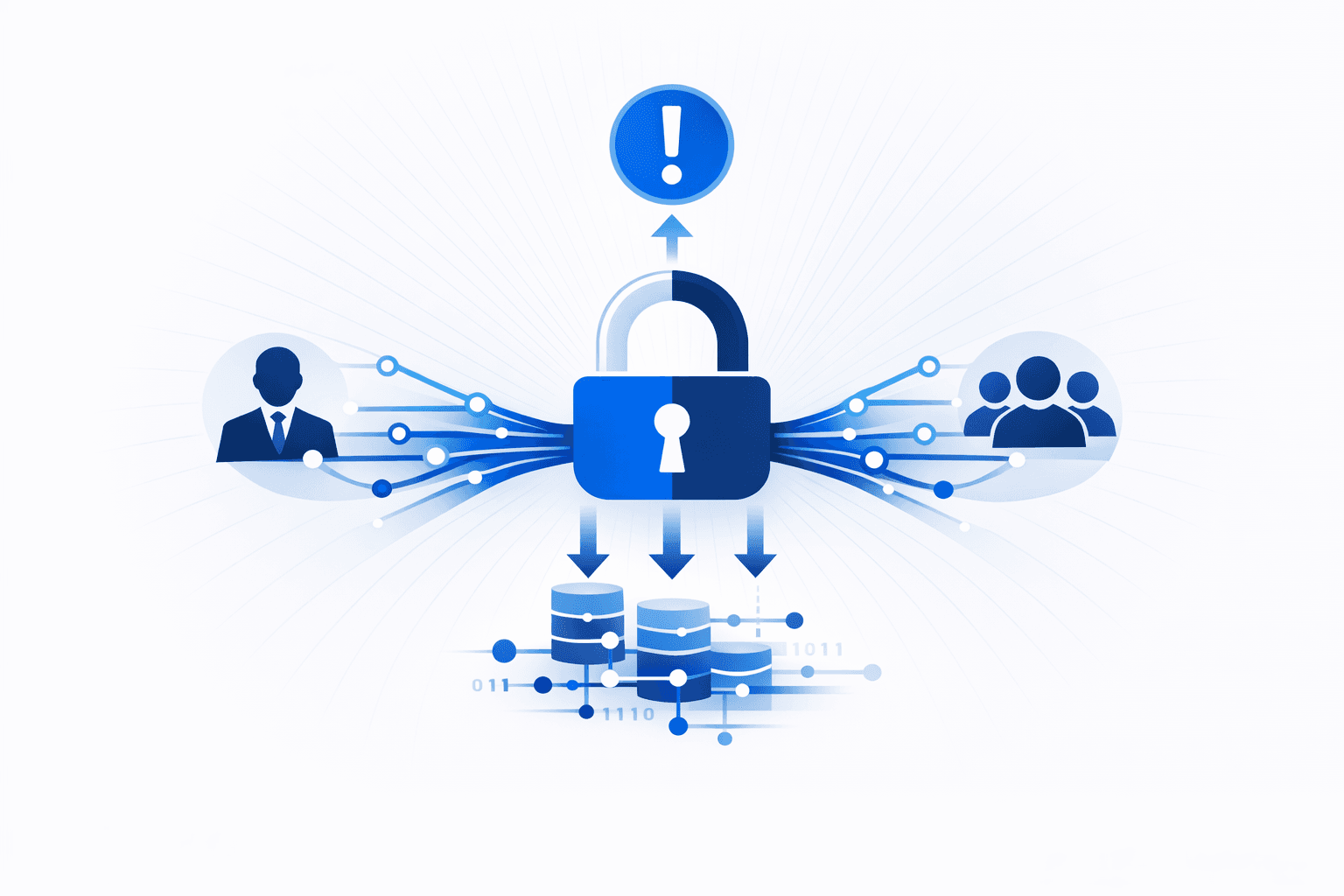
Ransomware operators have expanded double-extortion tactics by targeting people around a victim organization, including senior executives, employees, customers, and business partners, to force ransom payments. Reporting tied the approach primarily to the Clop ecosystem, with similar behavior also attributed to REvil affiliates. Attackers were described as prioritizing executive mailboxes and workstations to find sensitive files, litigation records, and internal discussions that could be used to embarrass leadership or strengthen negotiations.
The pressure campaign also extended beyond the company itself, with gangs emailing victims’ customers and associates to amplify reputational and legal risk. One cited case involved RaceTrac Petroleum, where data stolen via exploitation of a zero-day in Accellion File Transfer Appliance services used by a third party included some customer contact details, though the company said its corporate network and payment systems were not affected. Similar outreach was reportedly used against people linked to the University of California, underscoring how ransomware groups increasingly use public exposure and direct contact with stakeholders as leverage even when stolen data may later be leaked regardless of payment.
Why it matters
Impact assessment
Ransomware operators, especially Clop and REvil/Sodinokibi affiliates, expanded extortion beyond the initially compromised organization to executives, employees, customers, journalists, and business partners. This increases reputational, legal, and operational pressure even when core corporate systems are not directly impacted, and it raises the likelihood of ransom payment by threatening stakeholder trust and public exposure.
The impact is significant for enterprises with sensitive executive communications, customer data, or third-party file transfer dependencies. Exposure is broad rather than narrowly targeted because the reporting ties these tactics to multiple victims and to exploitation of the widely used Accellion File Transfer Appliance, with known real-world incidents involving RaceTrac Petroleum, the University of California, Shell, and Qualys.
Supporting facts
- Threat actors: Clop; REvil/Sodinokibi; affiliates in ransomware-as-a-service ecosystems.
- Affected populations: senior executives, managers, employees, customers, business partners, journalists, and university-associated individuals.
- Affected organizations named: RaceTrac Petroleum, University of California, Shell, Qualys, Accellion.
- Business impacts described:
- Reputational damage through direct outreach to customers and partners.
- Legal and regulatory pressure tied to threatened disclosure of customer and employee data.
- Operational disruption through DDoS extortion services offered by REvil.
- Financial impact through multimillion-dollar ransom demands and increased pressure on decision-makers.
- Known incidents in the wild:
- Clop emailed RaceTrac-linked individuals after data theft tied to Accellion FTA exploitation.
- Similar pressure emails were reportedly sent to people associated with the University of California.
- REvil publicly announced DDoS and VoIP harassment services for affiliates.
- Scope indicators:
- Accellion stated roughly one-third of customers using the affected appliance were compromised.
- Clop reportedly compromised dozens of companies via the Accellion zero-day campaign.
- RaceTrac-specific impact:
- Unauthorized access affected a subset of data stored in Accellion services.
- Exposed data included email addresses and first names of some RaceTrac Rewards users.
- RaceTrac stated its corporate network and payment-processing systems were not impacted.