Russia-Ukraine War Drives Destructive Attacks, Espionage, and Scam Campaigns
Threat Actor Intelligence · 32 sources · Updated 4mo ago · First seen Sep 5, 2024

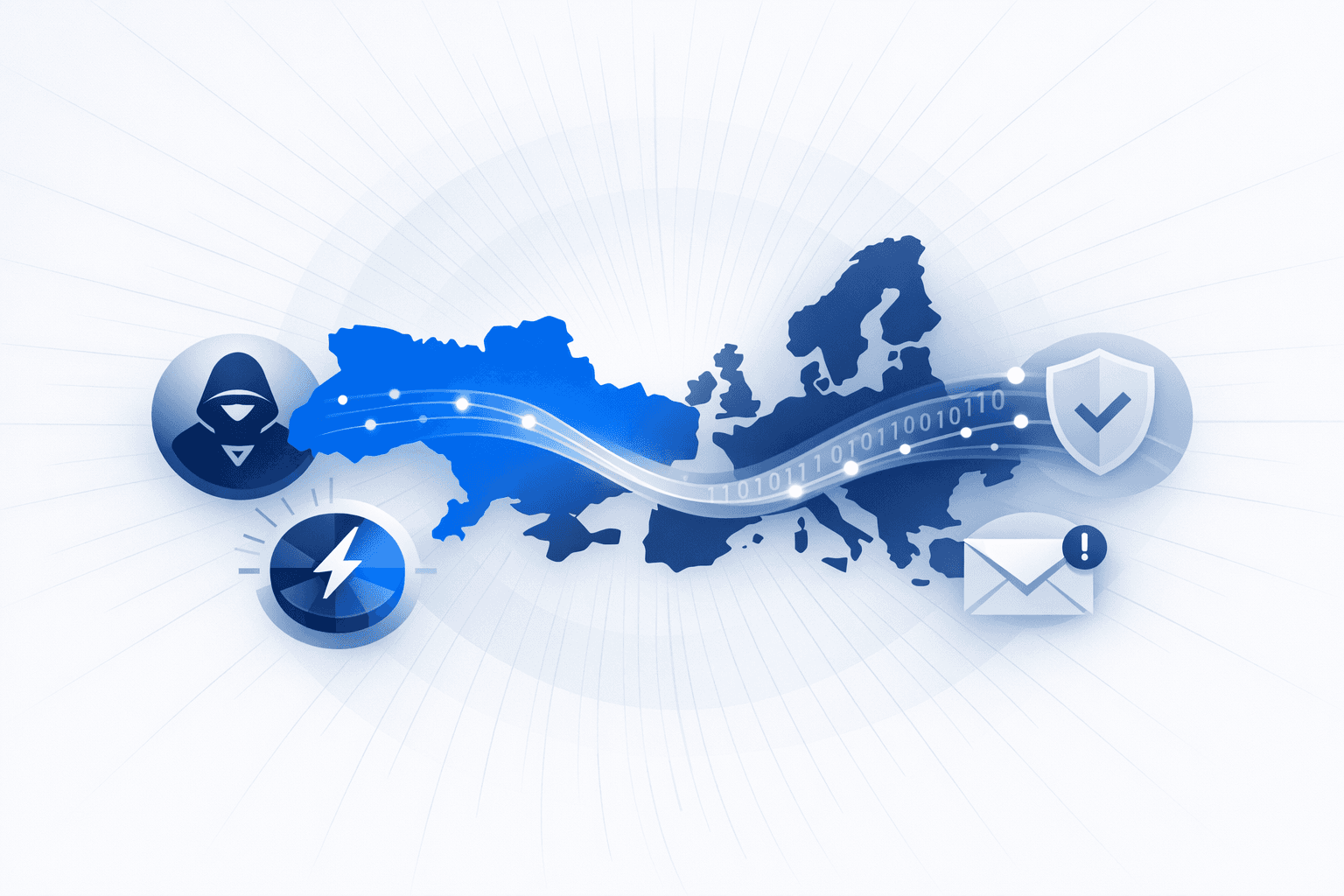
Cyber operations tied to Russia’s invasion of Ukraine ranged from destructive malware and espionage to broader disruption against Ukrainian and allied targets. Researchers and government agencies documented WhisperGate, HermeticWiper, CaddyWiper, DoubleZero, and FoxBlade activity against Ukrainian networks, while Microsoft said it seized seven Strontium domains used to target Ukrainian institutions, media, and foreign-policy organizations in the U.S. and EU. Talos also reported a campaign against a Ukrainian software developer using a modified GoMet backdoor, raising supply-chain concerns, and Symantec described sustained Shuckworm/Gamaredon espionage using multiple Pterodo variants for persistence. Later reporting warned that Russian operations were expanding beyond Ukraine to logistics, transportation, defense, and energy organizations supporting Kyiv, including activity in Poland and across Europe’s defense supply chain.
Why it matters
Summary
Russia-linked cyber activity tied to the war in Ukraine has expanded from destructive attacks inside Ukraine to espionage, logistics disruption, and intimidation targeting European organizations that support Kyiv. The most exposed populations are Ukrainian government and critical infrastructure entities, plus defense, logistics, transportation, energy, technology, and media organizations in Europe and allied countries; impact ranges from destructive data loss and operational disruption to supply-chain compromise risk and executive-targeted coercion.
Assessment
The exposure is both widespread and targeted. Ukrainian institutions have faced repeated destructive malware and phishing campaigns, while support networks outside Ukraine are being selectively targeted for intelligence collection, disruption, and pressure operations.
Known exploitation and active operations are documented across multiple campaigns. Public reporting and government attribution confirm destructive malware deployment in the wild, sustained espionage against Ukrainian entities, and GRU-linked targeting of logistics and defense-support organizations beyond Ukraine.
Affected entities
- Ukrainian government organizations and state institutions
- Ukrainian critical infrastructure: energy, water, transportation, emergency services, health care, law enforcement
- Ukrainian media and broadcast organizations
- Ukrainian software developers with downstream state customers
- European defense-industrial base organizations supporting Ukraine
- Logistics and transportation firms moving military or humanitarian aid
- Technology providers, component suppliers, drone manufacturers, SMEs, and IT providers in the defense supply chain
- U.S. and EU foreign-policy institutions and think tanks
- Executives associated with defense support to Ukraine
Severity and business impact
- Destructive malware caused data destruction, system unbootability, and service outages
- DDoS and website defacement disrupted public-facing services and government communications
- Espionage activity sought shipment schedules, manifests, routes, cargo contents, and sensitive policy information
- Supply-chain targeting raised risk of downstream compromise of Ukrainian state users
- Public intimidation and surveillance of executives increased physical-security and reputational risk for defense-sector leadership
- Spillover risk to Europe and allied organizations is repeatedly assessed as credible by vendors and governments
Scope and incidents in the wild
- WhisperGate, HermeticWiper, CaddyWiper, DoubleZero/FiberLake, and FoxBlade were deployed against Ukrainian victims
- Microsoft observed Russian operations against Polish and Ukrainian logistics/transportation networks via Prestige
- Microsoft seized seven Strontium domains used against Ukrainian institutions and U.S./EU foreign-policy targets
- Talos reported a modified GoMet intrusion against a Ukrainian software developer
- Symantec documented sustained Shuckworm/Gamaredon espionage using multiple Pterodo variants
- UK NCSC and allies publicly attributed WhisperGate deployment to GRU Unit 29155
- Truesec reporting indicates GRU-linked targeting of European logistics and defense-support organizations has intensified since 2024