BlackCat Ransomware Intrusions Exploit Exchange and Use Web Shells, Cobalt Strike, and Data Theft
Threat Actor Intelligence · 3 sources · Updated 4mo ago · First seen Jul 17, 2020
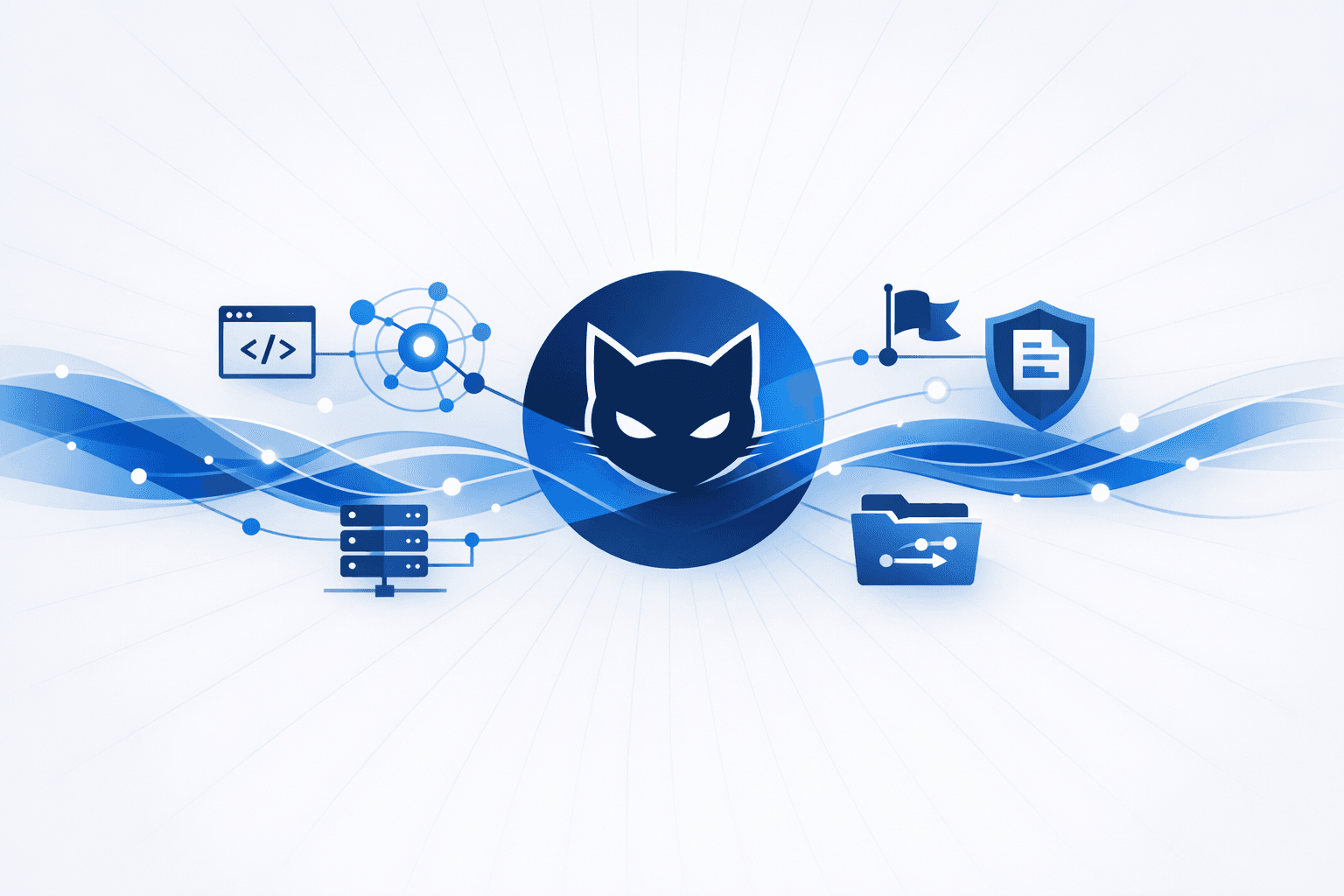
BlackCat/ALPHV operators were linked to intrusions that began with exploitation of vulnerable Microsoft Exchange servers, including CVE-2021-31207 in ProxyShell-style activity and other unpatched Exchange exposures. Investigators observed the attackers planting ASPX web shells, using IIS worker processes to launch PowerShell, and establishing persistence and remote access with tools including MobaXterm. In one case, a tampered libeay32.dll was downloaded to sideload Cobalt Strike, while post-compromise activity included credential theft through Mimikatz or LSASS dumping with Process Hacker, along with account and network discovery using SoftPerfect Network Scanner, NetScan, BloodHound, Inveigh, and CrackMapExec.
Before encryption, the operators compressed targeted data with WinRAR or 7-Zip and exfiltrated files through rclone, MEGAsync, and in some cases FileZilla or WinSCP. Lateral movement and staging were carried out over SMB, including use of SysVol shares and local paths such as C:\Windows\debug, followed by permission changes, shadow copy deletion, recovery disabling, and log clearing. Researchers also identified a newer BlackCat variant with previously undocumented command-line options including --safeboot and --sleep-restart, underscoring the group’s continued ability to target Windows, Linux, and VMware ESXi environments while pairing encryption with data theft and Tor-based extortion.
Why it matters
Impact assessment
BlackCat/ALPHV activity described here affects organizations running exposed or unpatched Microsoft Exchange, especially enterprises with Windows domain infrastructure and mixed Windows, Linux, or VMware ESXi estates. Impact is severe: the intrusion pattern includes credential theft, broad internal discovery, lateral movement, data exfiltration, and ransomware encryption, creating combined risks of operational outage, data loss, extortion, and regulatory or reputational damage.
This is not a purely opportunistic commodity pattern; the intrusion is targeted after initial Exchange compromise and expands across the environment using administrative shares, stolen credentials, and dual-use tools. The references describe active exploitation in real incidents, including ProxyShell-style Exchange abuse and post-compromise deployment of Cobalt Strike, indicating proven in-the-wild tradecraft rather than theoretical exposure.
Supporting facts
- Affected products and environments:
- Microsoft Exchange Server exposed to ProxyShell-style exploitation.
- Windows domain environments using SMB, SysVol, IIS, and RDP.
- Windows, Linux, and VMware ESXi systems are all within BlackCat targeting scope.
- Business impact observed:
- Data theft prior to encryption.
- Ransomware encryption with ransom notes and Tor-based extortion portal.
- Shadow copy deletion, recovery disabling, and log clearing increase recovery difficulty and reduce forensic visibility.
- IIS stoppage can disrupt business-facing services.
- Scope and targeting:
- Initial access through vulnerable Exchange can lead to domain-wide spread.
- Use of SysVol shares and SMB propagation indicates potential multi-host impact.
- Use of credential theft and AD mapping tools suggests deliberate expansion to high-value systems.
- Known exploitation:
- Real DFIR cases are cited.
- Trend Micro documented exploitation of CVE-2021-31207 in a ProxyShell-style intrusion.
- SecurityScorecard documented a separate BlackCat intrusion beginning with an unpatched Exchange server.