BlackCat Ransomware Intrusion Used Impacket and Stolen Credentials
Threat Actor Intelligence · 1 source · Updated 5mo ago · First seen May 25, 2026
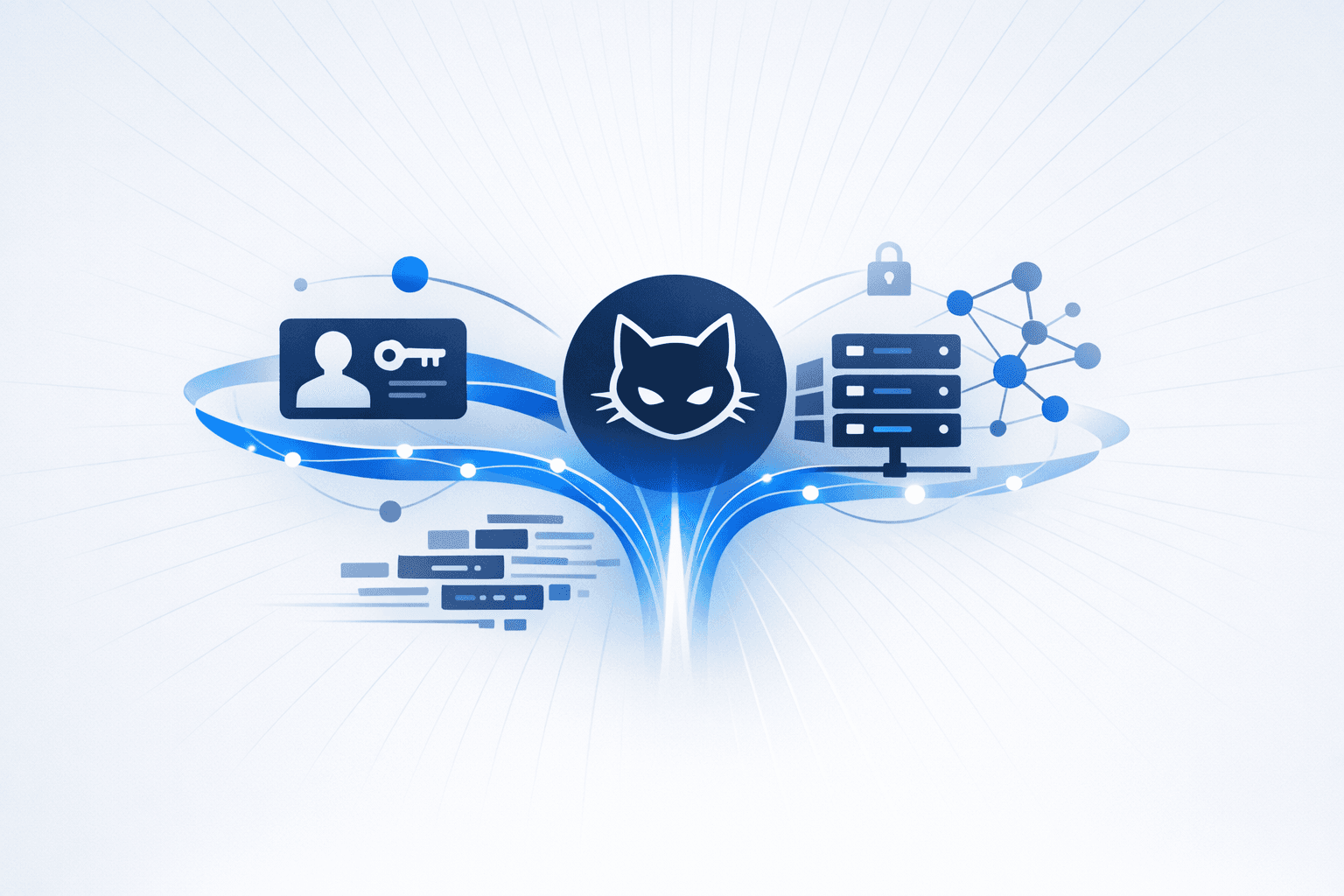
Kaspersky detailed a BlackCat (ALPHV) ransomware intrusion in which attackers gained access with stolen credentials and moved laterally through the victim environment using common post-exploitation tooling, including Impacket. The operation followed a familiar double-extortion pattern: the intruders escalated privileges, conducted internal reconnaissance, staged data for exfiltration, and prepared systems for encryption before deploying the BlackCat payload.
The incident showed how BlackCat affiliates combined legitimate remote administration activity with widely available offensive tools to blend into normal network traffic and accelerate compromise. The report highlights the group’s continued reliance on credential abuse, lateral movement over Windows administrative protocols, and data theft ahead of ransomware execution, underscoring the risk posed by affiliates that can rapidly turn an initial foothold into enterprise-wide disruption.
Why it matters
Impact assessment
BlackCat/ALPHV activity affects Windows enterprise environments where attackers can obtain valid credentials and use administrative protocols for lateral movement. The impact is severe: affiliates conduct data theft before encryption, creating combined risks of operational disruption, data loss, extortion, regulatory exposure, and reputational damage.
This intrusion pattern is relevant across industries because it relies on common enterprise tooling and credential abuse rather than a niche exploit chain. The scope is potentially enterprise-wide once domain or privileged credentials are obtained, and the story describes a confirmed real-world intrusion rather than only theoretical tradecraft.
Supporting facts
- Threat actor/entity: BlackCat, also known as ALPHV
- Intrusion type: double extortion ransomware
- Initial access: stolen credentials
- Business impact pattern: internal compromise, data staging and exfiltration, followed by ransomware deployment
- Operational risk: rapid progression from foothold to broad lateral movement and encryption
- Exploitation status: confirmed incident activity in the wild documented by Kaspersky