Agent Tesla campaigns used phishing, steganography, and script loaders to steal credentials
Malware Intelligence · 21 sources · Updated 2mo ago · First seen Aug 14, 2026
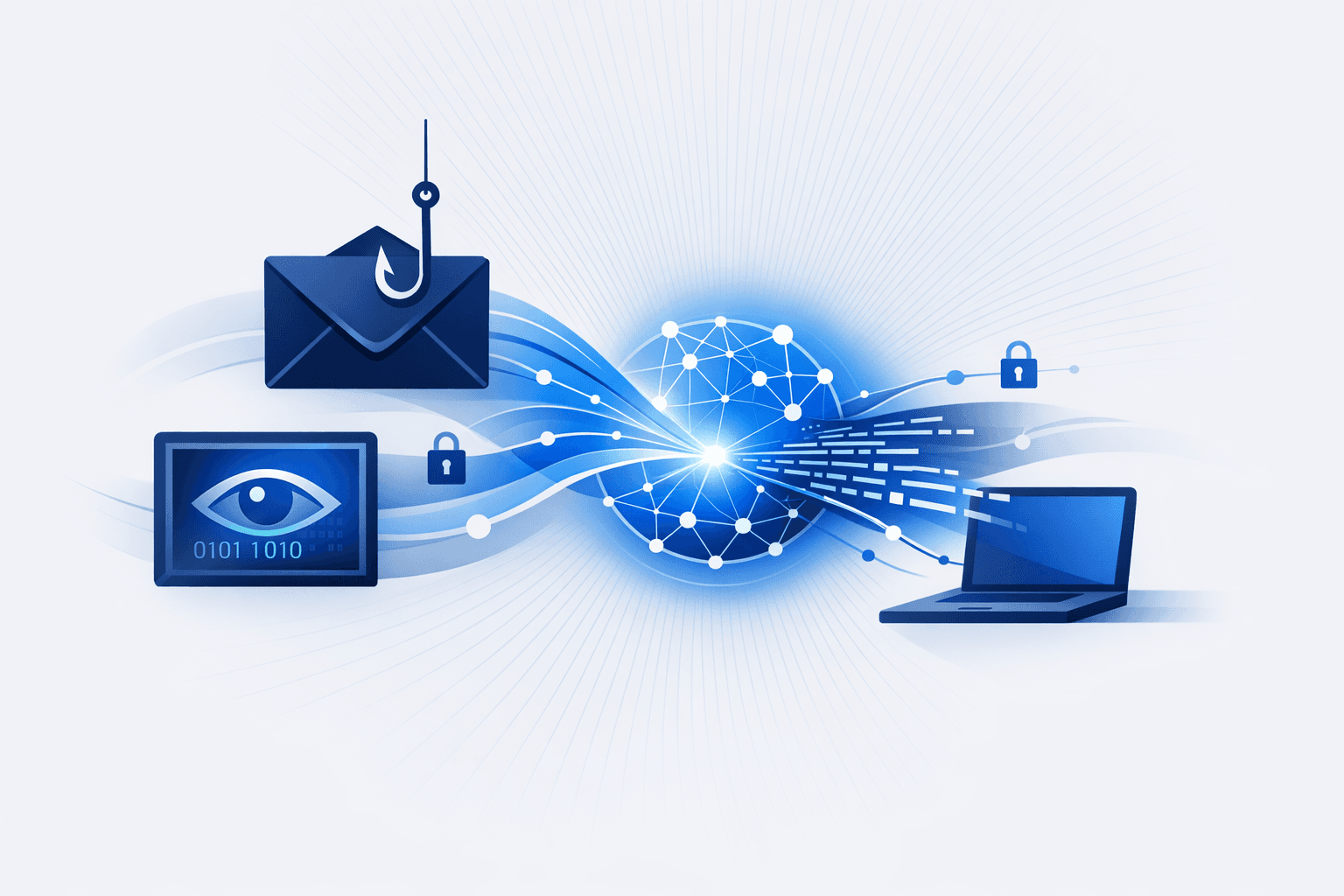
Agent Tesla continued to appear in phishing-led intrusion chains that used malicious Office documents, ISO attachments, JavaScript, VBScript, and NSIS-based loaders to infect Windows systems and deploy the .NET infostealer in memory. Multiple reports described delivery through macro-enabled purchase-order lures, DHL-themed malspam, and droppers that abused certutil.exe, mshta, and spoofed or cybersquatted infrastructure such as diodetechs[.]com. Researchers also documented layered packing and concealment methods including oversized padded executables, embedded bitmap and PNG resources, reversed payloads, XOR and compression routines, and steganography that hid intermediate DLLs or final payloads inside image files before injection into processes such as MSBuild.exe.
Once installed, Agent Tesla established persistence through Run registry keys, scheduled tasks, Startup-folder entries, or dropped copies under %APPDATA%, then harvested credentials and surveillance data from browsers, Outlook and other email clients, FTP and VPN software, cookies, clipboard contents, keystrokes, screenshots, and in some cases cryptocurrency wallet addresses. Stolen data was exfiltrated over SMTP, FTP, HTTP, and sometimes Tor-backed channels, with some samples checking agenttesla[.]com for updates or using attacker mailboxes embedded in configuration data. Researchers also observed variants paired with additional malware, including a clipboard hijacker and Crysis/Dharma ransomware, underscoring how this long-running malware-as-a-service family combines commodity phishing delivery with evolving obfuscation and post-infection tradecraft.
Why it matters
Impact assessment
Agent Tesla remains a high-volume Windows credential theft threat affecting organizations exposed to phishing, especially users handling invoices, purchase orders, shipping notices, and payment documents. Impact ranges from account compromise and data theft to follow-on fraud and operational disruption, with some campaigns also delivering clipboard hijackers or Crysis/Dharma ransomware.
Affected populations
- Windows endpoints targeted through phishing attachments, archives, ISO files, Office documents, RTF, JavaScript, VBScript, NSIS installers, and script-based loaders
- Industries broadly exposed to business-email workflows; references specifically show lures themed around purchase orders, DHL shipping, invoices, and payment receipts
- Users of browsers, Outlook and other mail clients, FTP clients, VPN software, and in some cases cryptocurrency users whose clipboard contents are monitored
Severity and business risk
- High risk of credential theft from browsers, email clients, FTP tools, VPN clients, cookies, clipboard contents, screenshots, and keystrokes
- Secondary impacts include business email compromise, unauthorized VPN access, data leakage, financial fraud, and reputational damage
- Some observed chains paired Agent Tesla with a Bitcoin clipboard hijacker or Crysis/Dharma ransomware, increasing risk from espionage to destructive or extortion outcomes
Scope and exploitation
- Exposure is widespread rather than limited to a single product vulnerability; delivery is primarily phishing-led and commodity in nature
- Multiple references describe active campaigns in the wild across several years, including mass phishing and malspam operations
- No single new CVE drives this story, but known Office exploit delivery has been observed historically in Agent Tesla campaigns
Extracted entities and incidents
- Malware family: Agent Tesla, also referenced as Negasteal in one report
- Related malware: Crysis/Dharma ransomware, Remcos, XLoader, clipboard hijacker
- Notable infrastructure/entities: diodetechs[.]com, agenttesla[.]com, mail.knoow.net, paste[.]ee, uploaddeimagens[.]com[.]br, hastebin[.]com