Poland Attributes Officials’ Email Breach to Russian Espionage Campaign
Threat Actor Intelligence · 3 sources · Updated 4mo ago · First seen Jun 18, 2021
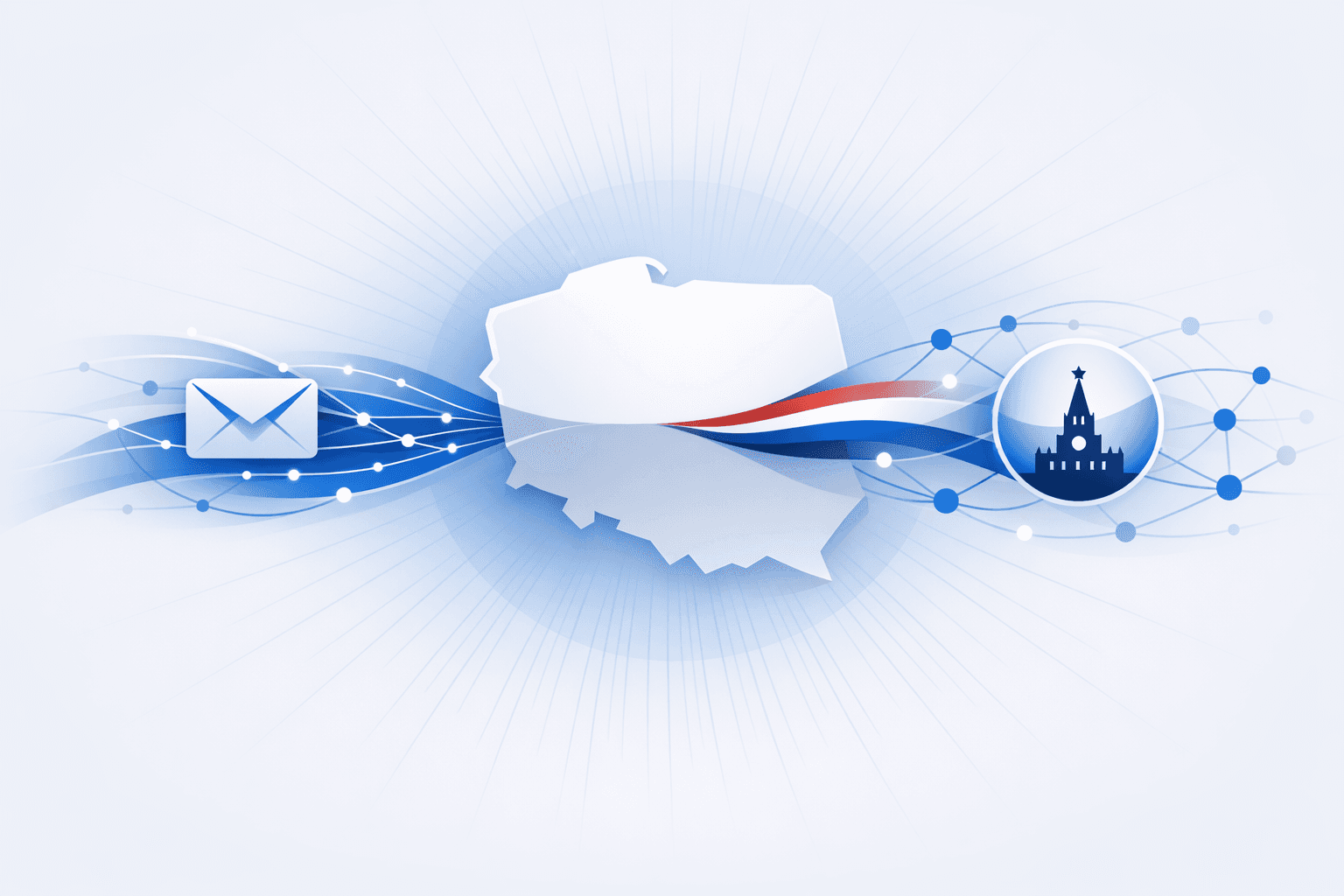
Poland said a cyberattack compromised the private email accounts of senior officials, ministers, members of parliament, and journalists, with stolen messages later leaked on Telegram. Authorities said the campaign affected more than 30 people, included the mailbox and social media compromise of Prime Minister’s Office chief Michał Dworczyk and his wife, and was assessed by Poland’s Internal Security Agency, Military Counterintelligence Service, and allied intelligence services as having been conducted from infrastructure in the Russian Federation.
Polish officials described the operation as a broad attempt to destabilize the country, while investigators preserved evidence and notified affected individuals with guidance to secure their accounts. Separate reporting from CERT Polska and SKW tied ongoing Russian espionage activity against NATO and EU diplomatic targets to infrastructure, techniques, and tooling overlapping with NOBELIUM/APT29, including spear-phishing, malicious links, HTML Smuggling, deceptive shortcut files, hidden DLL execution, and DLL sideloading, reinforcing the assessment that the breach fit a wider Russian intelligence collection campaign.
Why it matters
Summary
The incident affected senior Polish officials, ministers, members of parliament, and journalists through compromise of private email and social media accounts, with stolen correspondence later leaked publicly on Telegram. Impact is high for government, diplomatic, and policy organizations because the operation combined intelligence collection, reputational damage, and information operations intended to destabilize Poland. Exposure appears targeted rather than indiscriminate, but the broader campaign against NATO and EU diplomatic entities was ongoing and likely widespread across government and foreign affairs networks.
Supporting details
Affected entities
- Polish senior officials, ministers, MPs, and journalists.
- Michał Dworczyk, head of the Polish Prime Minister’s Office, and his wife were specifically reported as compromised.
- Broader targeting included ministries of foreign affairs, diplomatic missions, embassies, international organizations, and NGOs.
- Most broader campaign targets were located in NATO and EU member states.
Severity and business impact
- Confidential communications were stolen from private mailboxes and leaked publicly, creating intelligence loss and reputational harm.
- Social media account compromise increased the risk of impersonation, disinformation, and secondary phishing.
- For government and diplomatic organizations, the likely consequences include exposure of sensitive policy discussions, operational disruption, and erosion of trust.
- Polish authorities explicitly assessed the operation as an attempt to strike society and destabilize the country.
Scope and exploitation status
- More than 30 people were reportedly affected in the Polish email breach.
- Attacks reportedly began in September of the previous year and were still under investigation at the time of reporting.
- CERT Polska and SKW stated the related Russian espionage campaign was active and evolving when published.
- There are known incidents of exploitation in the wild: successful compromises, mailbox theft, social media compromise, and public leaking of stolen emails on Telegram.