Poland Arrests Suspected DDoS Operator and Detains Defense Ministry Employee for Espionage
Threat Actor Intelligence · 2 sources · Updated 5mo ago · First seen Feb 6, 2026
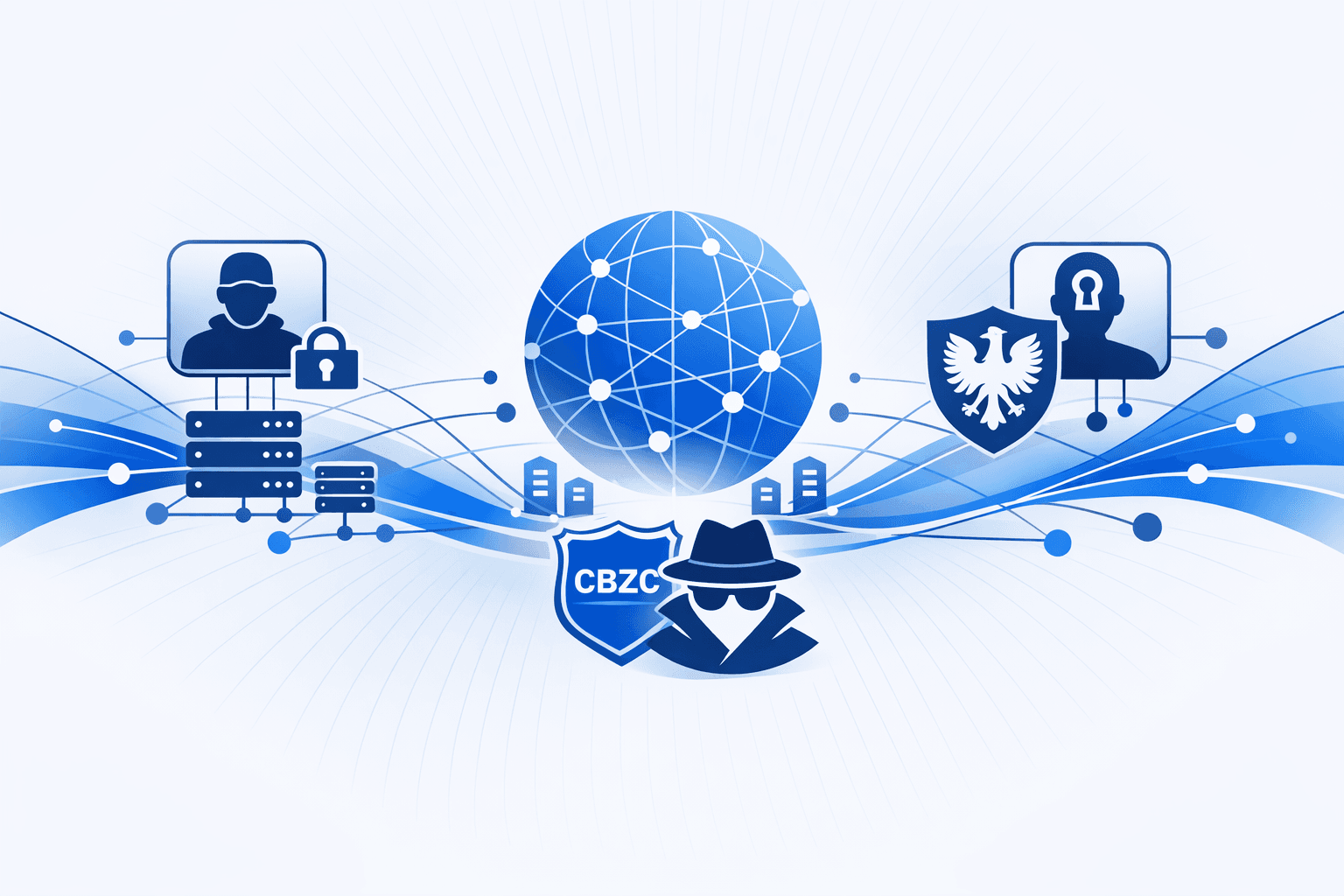
Poland’s Central Bureau for Combating Cybercrime (CBZC) arrested a 20-year-old suspected of conducting global DDoS attacks against high-profile and strategically important websites. Authorities said the suspect used a multi-layered botnet control architecture involving C2 “stressers” and command-and-control nodes (CNC), and seized computer equipment allegedly used to host and distribute DDoS tooling; the suspect reportedly confessed to most charges, was released on bail after a formal statement, and faces up to five years in prison if convicted.
Separately, Polish authorities detained a 60-year-old civilian employee in the Ministry of National Defense’s strategy and planning department on suspicion of espionage for a foreign intelligence service, with Polish officials indicating links to Russian and Belarusian services. Counterintelligence searched the suspect’s office and residence and seized phones, computers, and storage media; prosecutors filed espionage charges while officials cited “extensive evidence” and framed the case as part of broader hybrid warfare pressure on Poland, including sabotage, disinformation, and cyber activity attributed to Russia-linked actors.
Why it matters
Impact assessment
Poland’s actions highlight two concurrent risks: disruptive DDoS activity against high-profile public-facing services and insider-enabled espionage affecting defense-sensitive information. The immediate cyber impact is highest for organizations operating strategically important websites and critical public services, while the espionage case raises broader concern for government, defense, and critical infrastructure entities exposed to Russian- and Belarus-linked hybrid operations.
Business and operational impact
- Affected populations: operators of high-profile and strategically important websites, government entities, defense organizations, and critical infrastructure operators.
- DDoS impact: service outages, degraded availability, incident response costs, reputational damage, and potential downstream business interruption.
- Espionage impact: potential loss of sensitive defense planning and modernization information, strategic intelligence compromise, and elevated national security risk.
- Scope: the DDoS activity was described as global, indicating broad potential victimology rather than a single localized campaign.
- Targeting: the espionage matter appears targeted and high-value, centered on a defense ministry employee with access to significant documents.
- Known incidents: authorities state the DDoS suspect conducted attacks and dismantled related infrastructure; prosecutors also filed espionage charges supported by what officials described as extensive evidence. The story also references a prior Poland energy-sector intrusion affecting about 30 distributed energy facilities, underscoring an active threat environment.
Entities and sectors referenced
- Poland Central Bureau for Combating Cybercrime (CBZC)
- Poland Ministry of National Defense
- Russian intelligence services
- Belarusian intelligence services
- Poland energy sector and distributed energy facilities