PlugX campaigns used DLL side-loading and fileless loaders to deploy RAT payloads
Malware Intelligence · 4 sources · Updated 4mo ago · First seen Dec 6, 2022
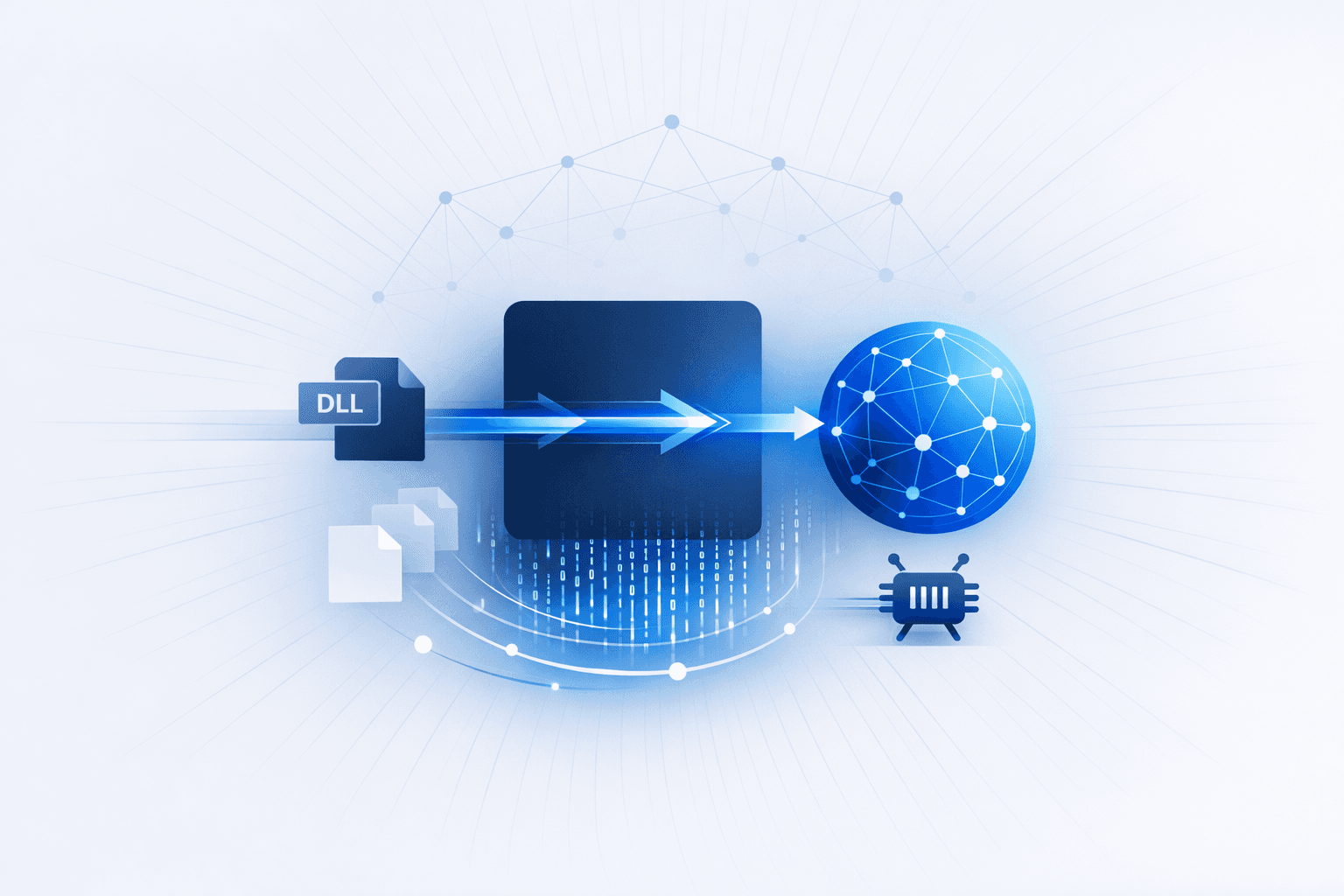
Multiple analyses detailed PlugX malware infections that relied on DLL side-loading and staged, in-memory execution to launch the final remote access trojan while minimizing on-disk artifacts. In one chain, a signed McAfee executable loaded a malicious McUtil.dll, which patched the host process and executed shellcode from Mc.cp; that shellcode decrypted and manually mapped a final PlugX DLL, which then injected into svchost.exe and contacted 45.79.125.11:443. A separate CIRCL report described a PlugX 7.0 variant delivered in a self-extracting archive that dropped a signed McAfee binary, a malicious DLL, and an encrypted payload, then decrypted and decompressed the payload in memory before injecting it into svchost.exe and msiexec.exe and beaconing to help.yahoo-upgrade.com:443.
Other samples tied to Mustang Panda and COVID-19-themed lures showed the same tradecraft with different loaders and decoys. One Mustang Panda sample used a malicious shortcut, a renamed legitimate LogMeIn executable, LMIGuardianDll.dll, and LMIGuardianDat.dat to decrypt shellcode, manually map a PlugX DLL, and display a decoy document named "Written comments of Hungary.docx"; its configuration was XOR-encrypted with the key jOh752oCI. Another fileless chain abused unsecapp.exe to load http_dll.dll, decrypt http_dll.dat in memory, and execute a final PlugX payload that established persistence through Run keys, communicated over HTTP POST or raw TCP on ports 80, 443, 8080, and 8000, and supported remote shell, file operations, reconnaissance, and hidden process execution.
Why it matters
Impact assessment
PlugX activity described here affects Windows environments where users can execute archives, shortcuts, or renamed legitimate binaries, especially organizations exposed to targeted espionage tradecraft such as government, policy, diplomatic, and regional-interest targets associated with Mustang Panda lures. Impact is high because the malware provides full remote access, persistence, process injection, remote shell, file theft and manipulation, reconnaissance, and in some variants keylogging and service abuse.
The exposure is targeted rather than indiscriminate, but the tradecraft is reusable and effective against any enterprise with weak controls around DLL side-loading, user execution of archives, and endpoint visibility gaps for in-memory payloads. The story includes concrete evidence of operational use in the wild, including Mustang Panda-linked samples, COVID-19-themed lures, decoy documents, and active command-and-control infrastructure.
Affected populations and products
- Windows endpoints and servers
- Environments where legitimate signed binaries can be abused for DLL side-loading
- Products and binaries abused in the chains:
- McAfee VirusMap Reporting module: mcvsmap.exe / Mc.exe
- LogMeIn LMIGuardianSvc.exe renamed as test.msd
- unsecapp.exe
- svchost.exe
- msiexec.exe
Severity and business impact
- Remote access trojan capability enables data theft, surveillance, and hands-on-keyboard follow-on activity
- In-memory execution reduces forensic artifacts and increases dwell time risk
- Persistence via Run keys and services can survive reboots
- Process injection into trusted Windows processes complicates detection and response
- Some variants support remote shell, hidden process execution, registry manipulation, file operations, screenshot/desktop control, and keylogging
Scope and exploitation status
- Scope appears targeted, with lure-based delivery and actor-linked operations rather than mass exploitation
- Known in-the-wild activity is described across multiple reports
- Mustang Panda attribution is explicitly noted for one sample set
- Decoy themes include COVID-19 content and "Written comments of Hungary.docx"