Qakbot Campaigns Shifted Delivery Chains and Evasion Tactics
Malware Intelligence · 10 sources · Updated 4mo ago · First seen Aug 14, 2026

Qakbot operators repeatedly changed their intrusion chains between March and May 2023, using malspam and a rotating set of attachment and container formats including PDF, HTML, ZIP, OneNote, WSF/HTA, and XLL files to deliver the malware. Researchers observed HTML smuggling, obfuscated JavaScript, PowerShell, and DLL-based payload staging in March, followed by ZIP-to-XLL chains that rebuilt payloads from split DAT files and created scheduled tasks for persistence.
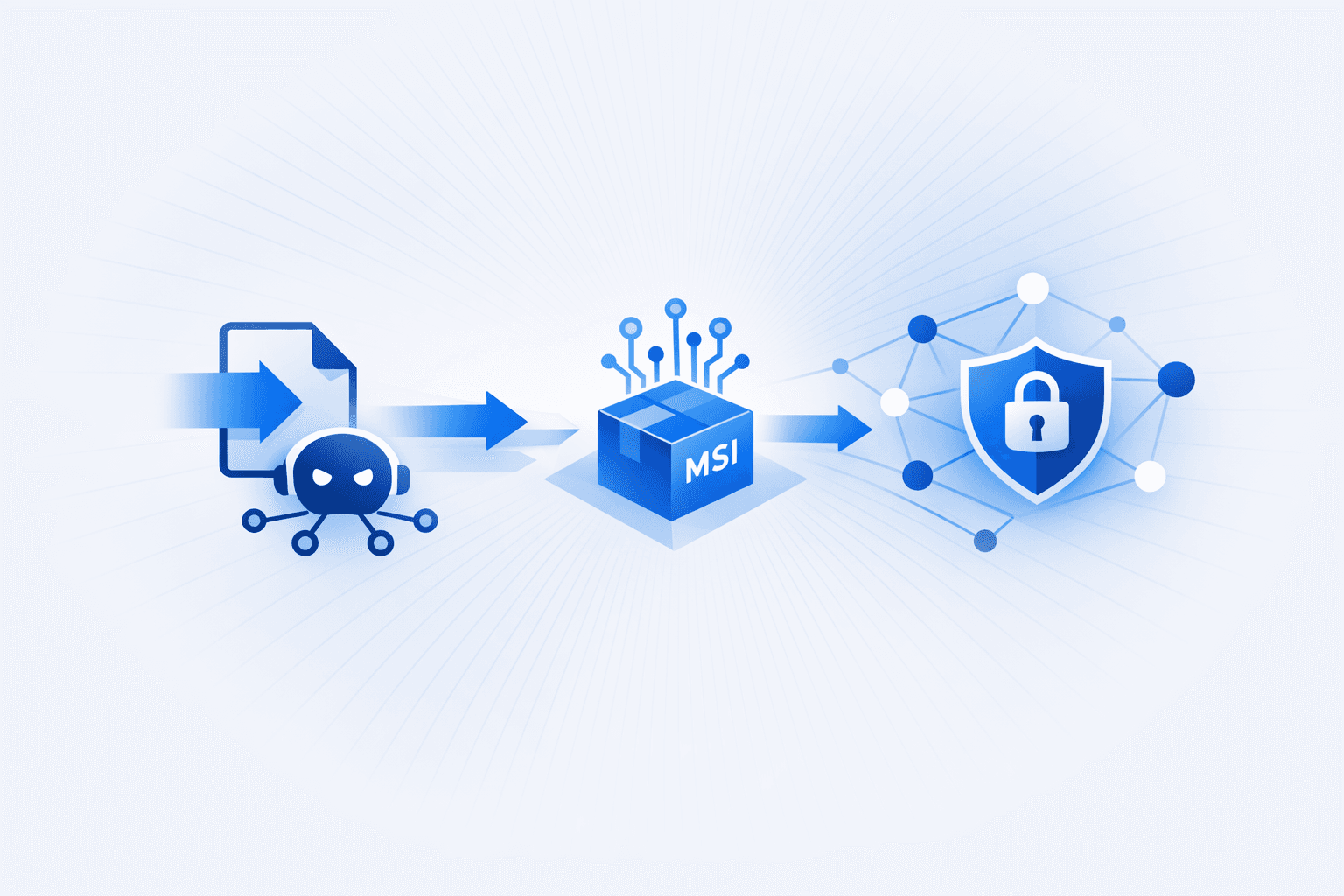
By April and May, the malware’s operators had shifted from base64-encoded PowerShell toward hex-encoded XMLHTTP requests delivered through WSF files, and used a OneNote-to-MSI lure posing as a Microsoft Azure installer. Later campaigns added stronger defense evasion, including indirect command execution through conhost.exe, DLL side-loading, and curl-based payload retrieval. Researchers also noted that Pikabot samples seen in mid-May shared similar tradecraft, but said the available evidence did not support attributing both malware families to the same actor.
Why it matters
Impact assessment
Qakbot campaigns described here affect organizations that rely on email-driven workflows on Windows endpoints, with highest observed infection concentration in banking, financial, wealth management, government, and outsourcing sectors. Impact is high because Qakbot supports credential theft, financial fraud, data exfiltration, internal propagation, and follow-on ransomware deployment, creating both immediate business disruption and downstream extortion risk.
Exposure was broad rather than narrowly targeted: researchers observed infections across the United States, India, Turkey, and Thailand, and delivery chains rotated rapidly across PDF, HTML, ZIP, OneNote, WSF/HTA, and XLL formats to sustain reach and evade controls. The reporting reflects active malicious campaigns observed in the wild, not a theoretical risk.
Supporting facts
- Malware family: Qakbot, also known as QBot, QuakBot, QuackBot, and Pinkslipbot.
- Primary delivery: malspam, thread hijacking/reply-chain abuse, direct attachments, and links to staged payloads.
- Most affected sectors called out: Banking, Financial, Wealth Management, Government, Outsourcing.
- Geographic prevalence noted: United States, India, Turkey, Thailand.
- User populations at risk: Windows users opening malicious attachments or embedded OneNote content.
- Business impacts tied to Qakbot capabilities:
- Credential and financial data theft
- Additional malware download
- Data exfiltration
- Worm-like propagation inside networks
- Ransomware staging, including prior use to deploy Prolock, Egregor, and DoppelPaymer
- Scope: repeated campaign changes between March and May 2023 indicate sustained, widespread operations rather than a single isolated intrusion set.
- Known in-the-wild activity: yes; multiple researchers documented live campaigns and observed infection chains.