Qakbot Resurfaces in Phishing Campaign Using PDF-to-MSI Infection Chain
Social Engineering & Fraud · 3 sources · Updated 4mo ago · First seen Dec 11, 2023
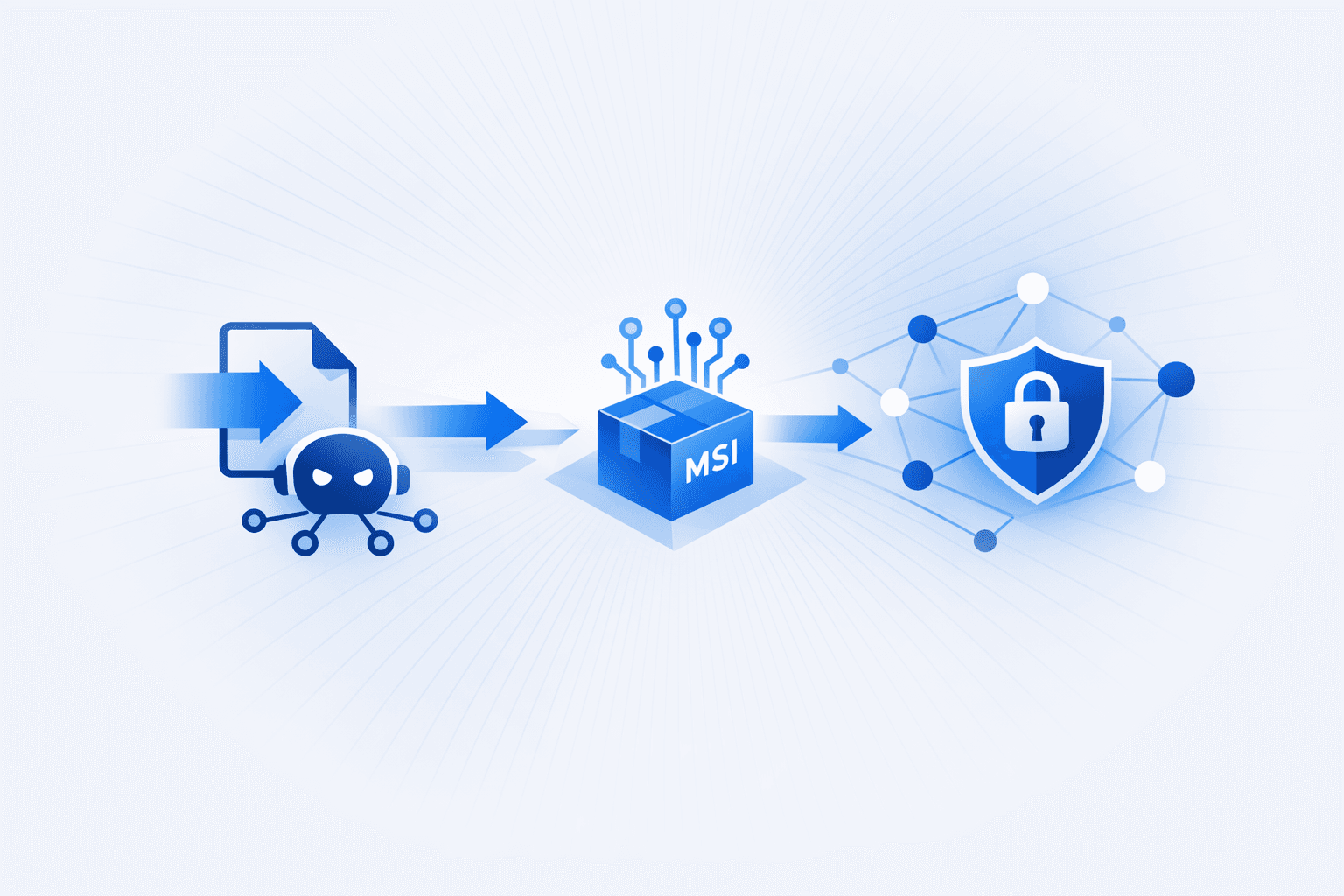
Qakbot has reappeared months after the law-enforcement-led Duck Hunt disruption, with researchers observing a new phishing campaign that targeted organizations in the hospitality sector. The activity used malicious PDF lures to deliver MSI installers containing a patched Internet Download Manager DLL and embedded Qakbot components, reviving a malware family long associated with credential theft, lateral movement, and follow-on ransomware operations.
Analysis of the new samples showed Qakbot relying on rundll32.exe, Acrobat-themed decoy behavior, and process hollowing into wermgr.exe to run its final payload from memory while attempting to evade detection. Researchers also highlighted Qakbot's continued use of RC4-encrypted Windows Registry entries to store victim identifiers and command-and-control data, a technique documented in separate analysis focused on decrypting the malware's encrypted registry keys and tracking its persistent tradecraft.
Why it matters
Impact assessment
Qakbot activity has resumed after the Duck Hunt disruption, with a confirmed phishing campaign targeting hospitality organizations and using a modern PDF-to-MSI infection chain. The impact is high because Qakbot is a proven initial-access malware family tied to credential theft, host discovery, lateral movement, and follow-on ransomware operations.
Summary
This campaign appears targeted rather than indiscriminate, with Microsoft describing it as small-scale and focused on the hospitality sector beginning 2023-12-11. Even at limited scale, successful compromise can lead to account theft, internal reconnaissance, persistence, and downstream ransomware deployment by financially motivated affiliates.
Affected entities
- Hospitality sector organizations were specifically targeted in the observed resurgence.
- Windows endpoints are affected where users can open phishing lures and execute downloaded MSI content.
- Organizations with weak email filtering, permissive MSI execution, or limited EDR visibility into process injection are at higher risk.
Severity and business risk
- Credential theft risk from Qakbot’s established infostealer and backdoor functionality.
- Operational disruption risk from lateral movement and potential ransomware follow-on activity.
- Financial and reputational impact if hospitality environments suffer booking, payment, or guest-data disruptions.
- Persistence mechanisms and in-memory execution increase dwell time and complicate remediation.
Scope and exploitation status
- Known exploitation in the wild: yes.
- Current reporting describes a small-scale campaign, not broad indiscriminate mass exploitation.
- Historical reporting shows Qbot/Qakbot remains a mature malware ecosystem with extensive prior malspam infrastructure and ransomware-adjacent use.