URL Shorteners and Fake App Pages Spread Android Banking and SMS Trojans
Social Engineering & Fraud · 4 sources · Updated 4mo ago · First seen Jul 20, 2021
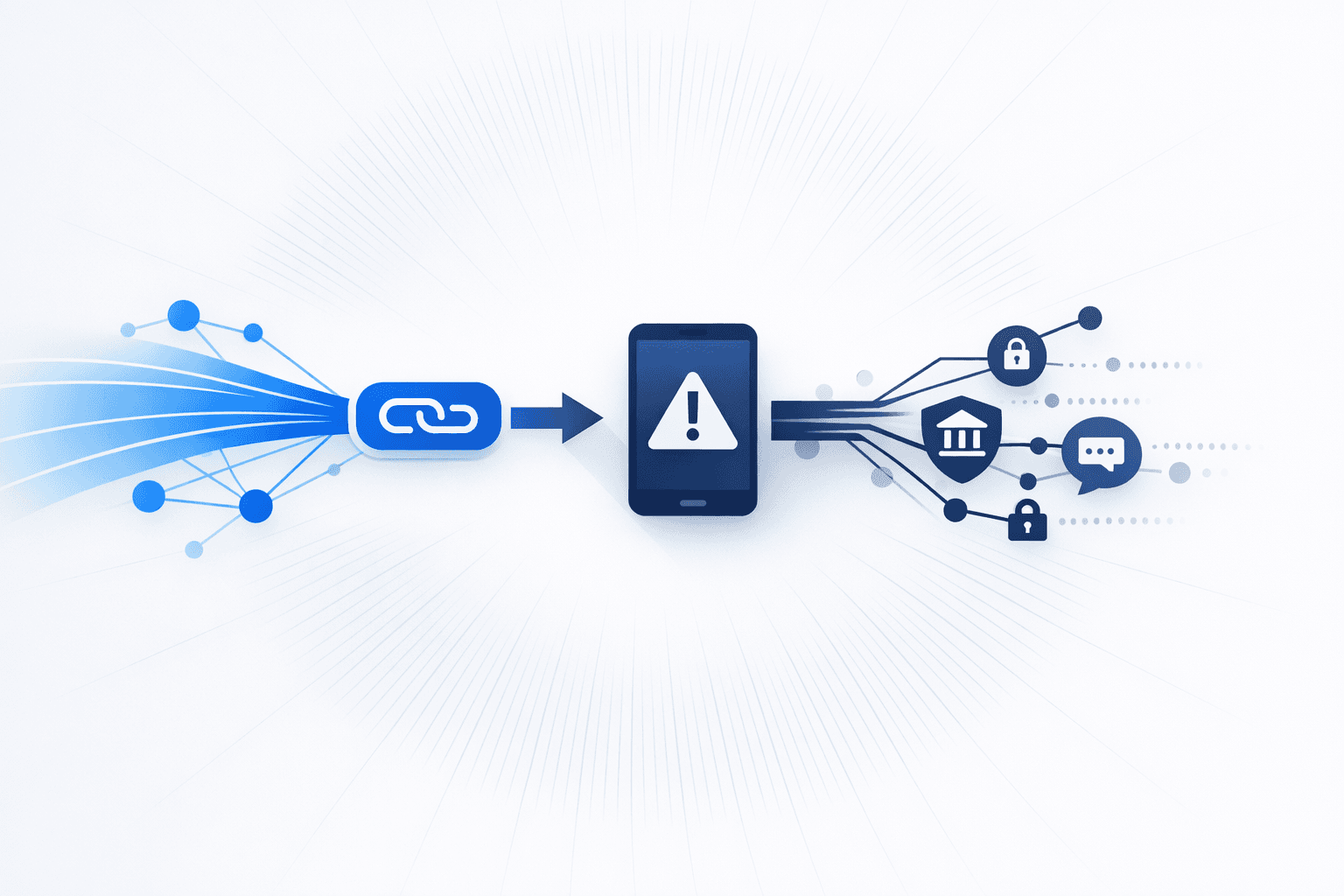
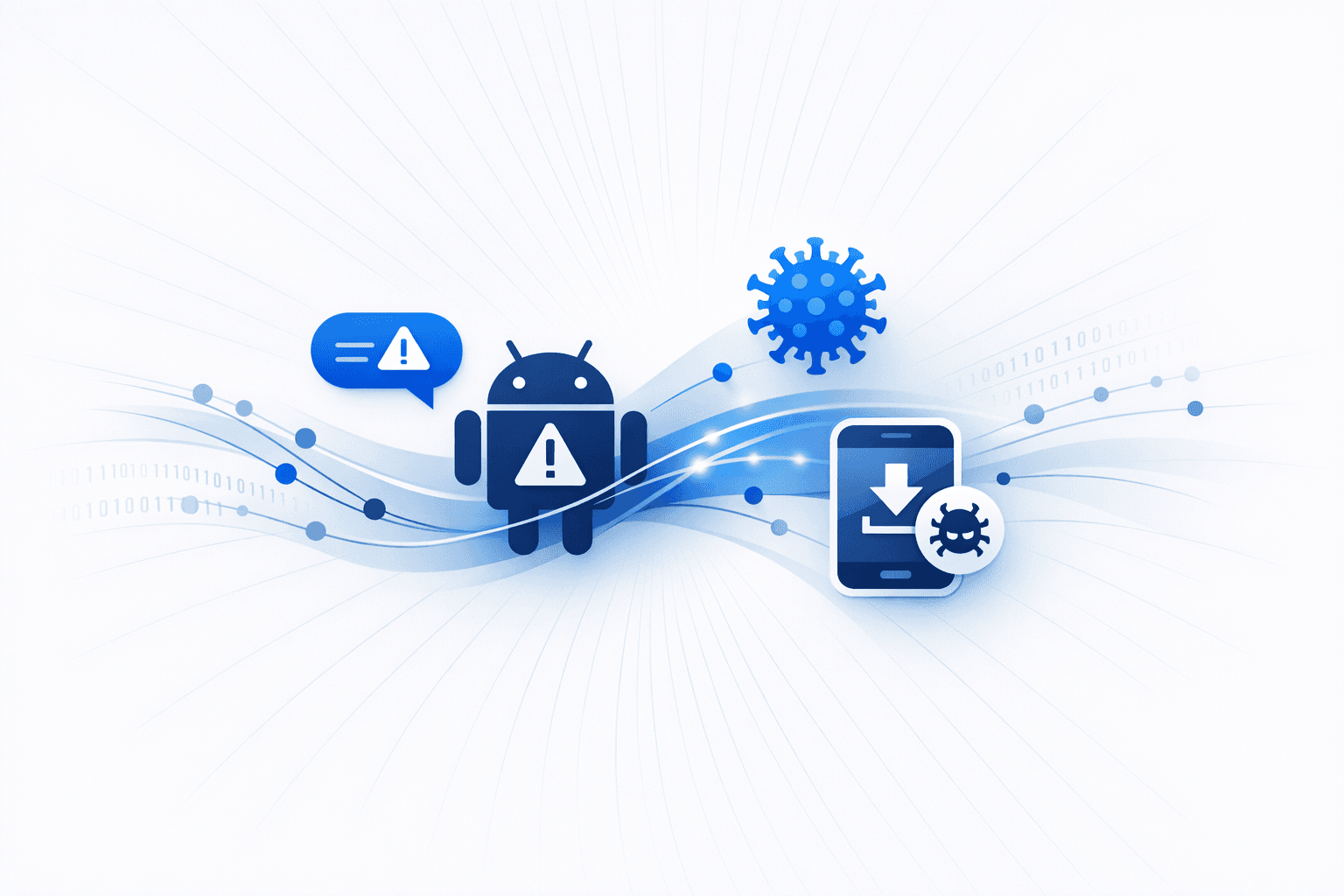
Researchers reported that monetized URL shortener services and fake download pages were used to push Android/FakeAdBlocker and other malicious Android apps disguised as ad blockers or popular applications. Victims were funneled through aggressive advertising chains and prompted to install APKs with misleading names such as adBLOCK app.apk, after which the malware hid its icon, contacted command-and-control infrastructure, and fetched additional payloads. ESET said the campaign generated more than 150,000 Android downloads in the first half of 2021, while iPhone users were steered into fraudulent calendar-subscription scams rather than direct malware installs.
The Android infections did not stop at adware. Researchers said the delivery chains also deployed banking trojans including Cerberus, Ginp, and TeaBot, alongside SMS trojans and other payloads, making the outcome dependent on the victim's region and the operators' current configuration. Separate reporting on Cerberus and Ginp described both as mobile banking malware families, and Bitdefender documented similar lures using mockups of well-known apps to spread TeaBot and FluBot, underscoring a broader ecosystem in which deceptive mobile install flows are used to distribute credential theft, financial fraud, and messaging abuse malware on Android.
Why it matters
Impact assessment
This activity affects Android users exposed to deceptive mobile download flows, especially users in regions where operators selectively delivered banking trojans and SMS malware. The impact ranges from ad fraud and persistent scareware to credential theft, financial fraud, SMS abuse, and reputational harm for brands impersonated in fake app pages.
The exposure is broad rather than narrowly targeted because the campaign relied on monetized URL shorteners, aggressive ad chains, and fake app download pages to drive mass installs. Researchers reported more than 150,000 Android downloads between the start of 2021 and July 1, 2021, and there is clear evidence of in-the-wild exploitation.
Affected populations and products
- Android devices installing APKs from deceptive download pages
- Users seeking ad blockers or popular apps outside trusted app stores
- Financial institutions whose customers may be exposed to Cerberus, Ginp, and TeaBot banking trojans
- Mobile carriers and users in regions exposed to SMS trojan payloads
- iPhone users were also exposed, but primarily to fraudulent calendar-subscription scams rather than direct malware installation
Severity and business risk
- Banking trojan delivery creates direct risk of account takeover, credential theft, and financial loss
- SMS trojan delivery creates risk of premium SMS abuse, OTP interception, and messaging fraud
- Adware payloads create operational disruption through persistent notifications, overlays, and spam calendar events
- Brand impersonation of Chrome, Android Update, Adobe Flash Player, and similar lures increases user trust and infection likelihood
Scope and observed exploitation
- More than 150,000 Android downloads were observed in the first half of 2021
- Payload delivery varied by victim geography and operator configuration
- Cerberus delivery was observed in Turkey, Poland, Spain, Greece, and Italy
- Ginp delivery was observed on some devices in Greece
- SMS trojan distribution was reported in the Middle East