Bumblebee Loader Spread via ISO Phishing and Enabled Pre-Ransomware Intrusions
Malware Intelligence · 11 sources · Updated 4mo ago · First seen May 9, 2022
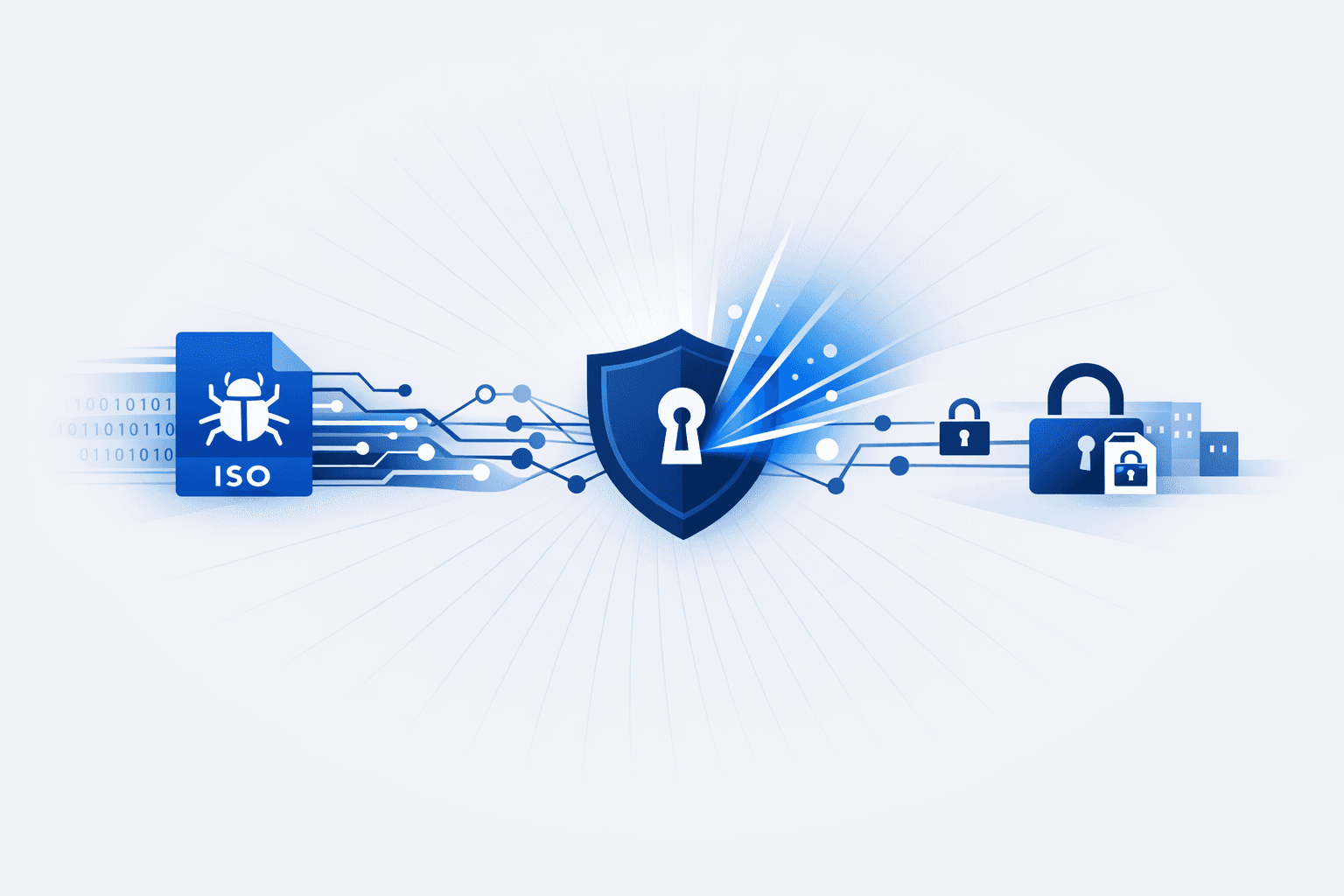
Security researchers and incident responders documented Bumblebee as a malware loader delivered through phishing campaigns that used hijacked email threads, spoofed senders, contact-form abuse, and links to legitimate file-sharing or cloud-hosted pages. Victims were lured into opening password-protected ZIP archives or mounting ISO/IMG files that contained a malicious Windows shortcut and DLL; the shortcut then launched rundll32.exe to execute the payload. Multiple reports tied the activity to TA578 and TA579, with researchers noting Bumblebee’s emergence as a likely successor to BazarLoader in access operations linked to Conti-associated ecosystems and follow-on delivery of Cobalt Strike.
Technical analysis showed Bumblebee using anti-analysis and anti-virtualization checks, RC4-encrypted configuration data, multi-server command-and-control, and in-memory loading techniques, while later reporting described continued development focused on EDR evasion and thread or APC-based injection. In one investigated intrusion, Bumblebee led to Meterpreter and Cobalt Strike deployment, reconnaissance with built-in Windows tools and AdFind, attempted LSASS dumping with ProcDump, lateral movement over RDP and SMB, creation of a sql_admin local administrator account, and installation of AnyDesk before responders contained the activity prior to ransomware deployment.
Why it matters
Impact assessment
Bumblebee is an initial-access malware loader used in phishing-driven intrusions that can rapidly progress to hands-on-keyboard activity, Cobalt Strike, credential theft, lateral movement, and likely ransomware staging. Affected organizations are primarily Windows enterprise environments exposed to email-based lures, especially those with users who can mount ISO/IMG/VHD files or execute LNK content from downloaded archives and cloud/file-sharing links.
Severity and scope
- Severity is high because observed intrusions progressed from user execution to Meterpreter, Cobalt Strike, LSASS dumping attempts, RDP/SMB lateral movement, backup server access, and installation of remote access software.
- Business impact includes credential compromise, unauthorized administrator account creation, exposure of password files and cyber-insurance documents, disruption risk to backup infrastructure, and likely ransomware precursor activity.
- Scope is broad rather than niche: delivery has been tied to TA578, TA579, and EXOTIC LILY-style campaigns using thread hijacking, spoofed senders, contact-form abuse, and legitimate file-sharing services.
- Exploitation in the wild is established. Multiple 2022-2024 reports document real-world Bumblebee infections and pre-ransomware intrusions, including follow-on Cobalt Strike and Meterpreter activity.
Affected populations and environments
- Windows desktop and server environments
- Organizations reliant on email and cloud/file-sharing workflows
- Enterprises with weak controls on disk image mounting, LNK execution, or LOLBin abuse
- Environments where users have local admin rights or broad workstation/server access