Malware Loaders SquirrelWaffle and Bumblebee Deliver Post-Exploitation Access
Malware Intelligence · 2 sources · Updated 5mo ago · First seen Jun 15, 2025

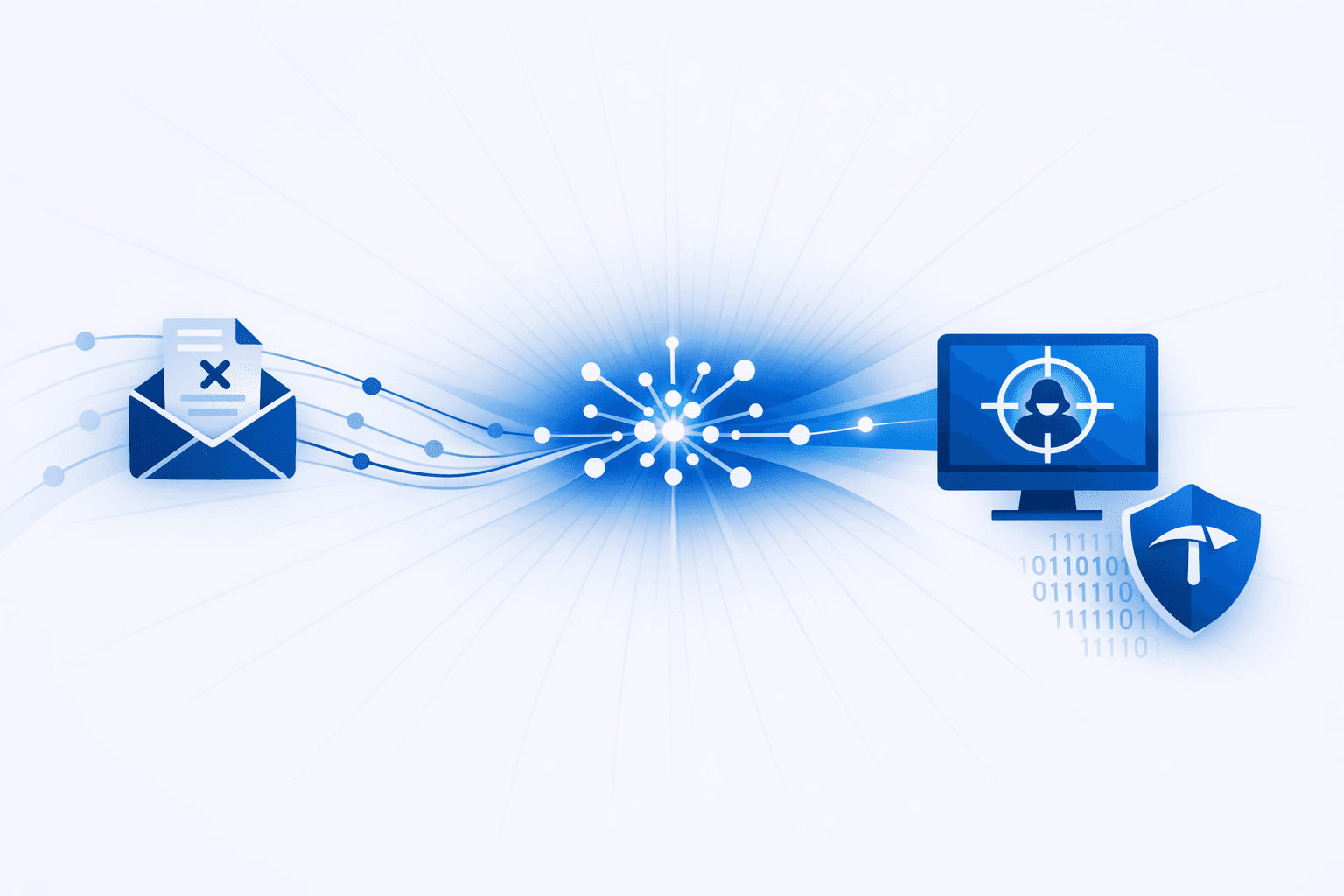
Researchers detailed two malware loaders used to establish initial access and stage follow-on intrusions: SquirrelWaffle, which arrived through phishing documents and dropped VBS and PowerShell components before retrieving a packed 32-bit DLL, and Bumblebee, which was delivered through compromised open-source tools in an MSI installer containing a CAB archive. In the SquirrelWaffle chain, the DLL dropper unpacked shellcode using XOR/ROR logic and APLIB decompression, then loaded a payload exported as ldr that collected host data, decrypted embedded configuration, and extracted command-and-control IP addresses and domains. The malware communicated over standard WS_32 socket APIs and downloaded Cobalt Strike, saving the binary with a .txt extension before execution.
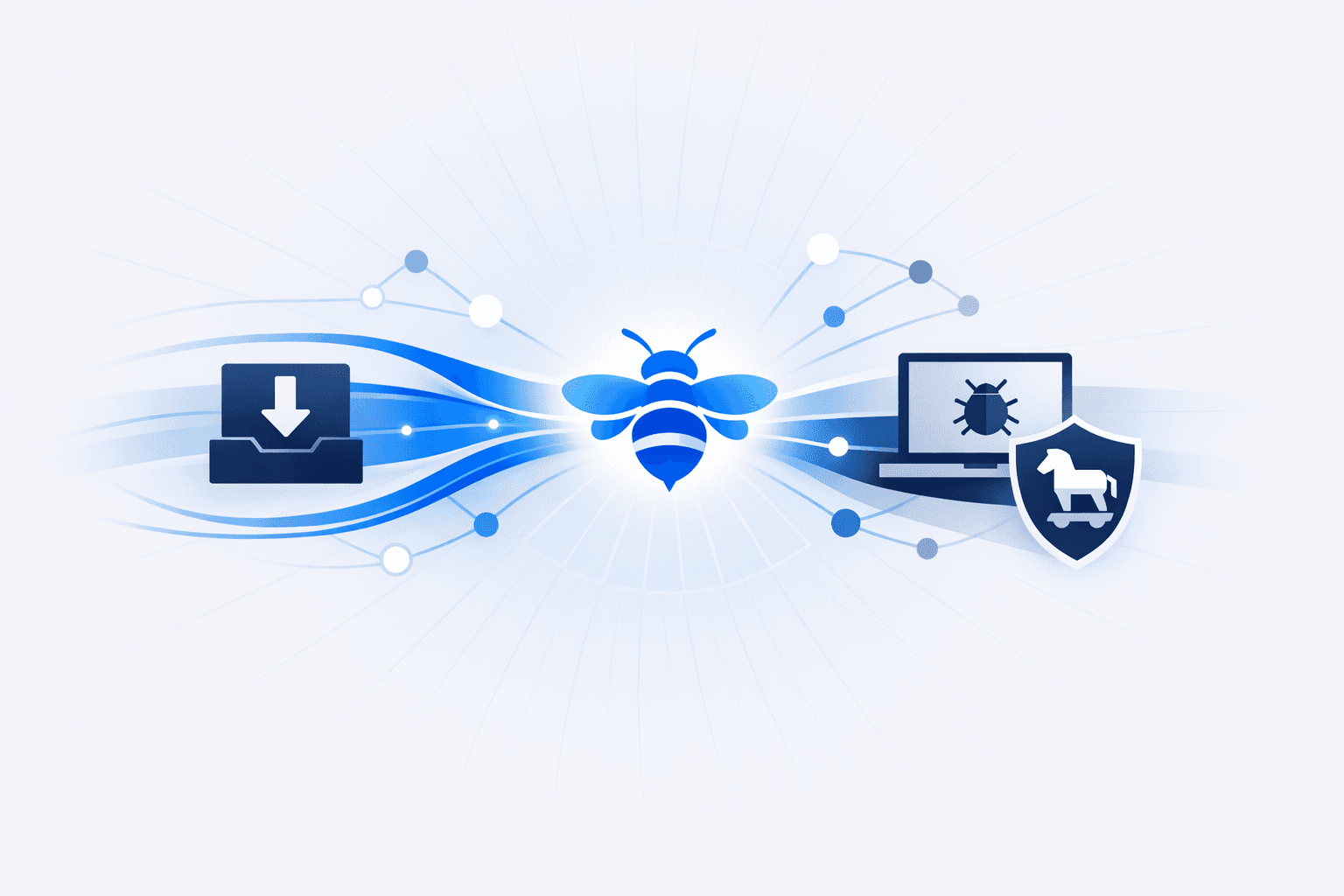
Analysis of Bumblebee showed a different but similarly stealthy execution path built around DLL sideloading and DLL proxy forwarding. The installer abused the legitimate Microsoft-signed icardagt.exe binary to load a malicious DLL that was renamed to version.dll at runtime, while anti-analysis features included junk code, timing checks, and possible virtual-machine detection through WMI queries. Investigators also observed failed file-creation attempts, a network connection to 19ak90ckxyjxc.life, a temporary installation directory, and a Windows Installer UserData registry artifact, reinforcing that the MSI package orchestrated the full infection chain and positioned the malware for later hands-on-keyboard activity or ransomware deployment.
Why it matters
Impact assessment
These loaders affect Windows environments exposed to phishing-based initial access or users downloading trojanized open-source tools, with elevated risk for enterprises where post-exploitation frameworks can lead to ransomware, credential theft, and hands-on-keyboard intrusion. The impact is high because both malware families are designed to establish footholds and stage follow-on payloads rather than perform isolated commodity activity.
Supporting details:
- Affected populations:
- Windows users opening phishing documents linked to SquirrelWaffle infection chains.
- Organizations whose users download compromised open-source tools packaged as MSI installers linked to Bumblebee.
- Enterprises where Microsoft-signed binaries such as
icardagt.exemay be abused for sideloading.
- Severity:
- SquirrelWaffle is documented downloading Cobalt Strike, which materially increases risk of lateral movement, credential access, persistence, and ransomware deployment.
- Bumblebee is positioned as a custom loader enabling later hands-on-keyboard activity or ransomware operations.
- Abuse of legitimate signed binaries and stealthy loader behavior raises detection difficulty and dwell-time risk.
- Scope:
- SquirrelWaffle distribution via phishing suggests broad opportunistic exposure.
- Bumblebee delivery through compromised open-source tools indicates supply-chain-style exposure affecting users of specific trojanized installers.
- The story does not quantify victim counts, but both delivery models can scale beyond narrowly targeted intrusions.
- Exploitation status:
- SquirrelWaffle was observed in the wild delivering Cobalt Strike beginning in September 2021.
- Bumblebee was analyzed from a live malware sample distributed through compromised open-source tools.
- Entities named:
- Malware/loaders:
SquirrelWaffle,Bumblebee - Follow-on tooling:
Cobalt Strike - Related malware families by crypter similarity:
Ursnif,Zloader,Hancitor - Legitimate abused binary:
icardagt.exe
- Malware/loaders: