Hydra Banking Trojan Spread Through Google Play Dropper Apps
Malware Intelligence · 2 sources · Updated 4mo ago · First seen Jun 3, 2022

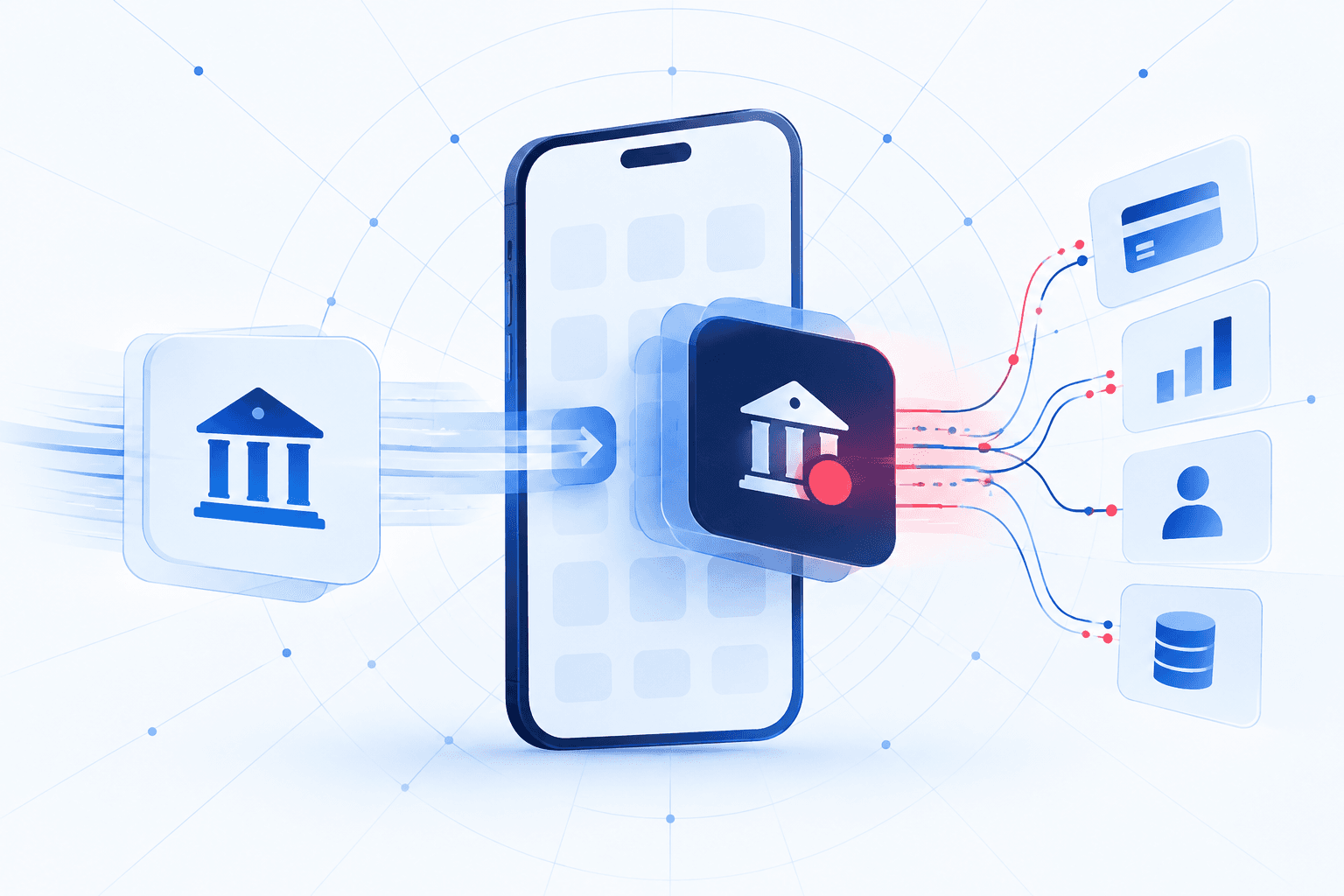
Researchers reported multiple Google Play Store campaigns distributing the Hydra Android banking trojan through seemingly benign dropper apps. One campaign used a fake "Document Manager" app that drew more than 10,000 downloads and prompted users to install a supposed update, which fetched a second-stage APK from attacker-controlled infrastructure. Earlier analysis of Hydra-linked droppers found similar Play Store distribution between 2018 and 2019, with malware using overlay attacks to steal banking credentials and targeting users in specific regions, including checks for Turkish devices and later activity aligned with campaigns against users in Colombia.
Technical analysis showed Hydra operators separating the downloader from the banking payload to reduce detection. Samples used minimal initial permissions such as REQUEST_INSTALL_PACKAGES, then unpacked additional components through dropped DEX files, including one case where the payload was reconstructed from a PNG asset using steganography-like methods and loaded via the native library libhoter.so. Once installed, Hydra variants were observed stealing SMS messages, cookies, OTPs, and device lock PINs, abusing Accessibility Services to hinder removal, and using command-and-control infrastructure, including TOR-related communications, to manage infections and deliver malicious modules.
Why it matters
Impact assessment
Hydra distribution through Google Play materially increases exposure for Android users because the initial infection vector leveraged a trusted app marketplace and a benign-looking utility app. The primary affected population is Android users, especially mobile banking users and users in previously observed target regions including Turkey and Colombia; financial institutions are indirectly affected through account takeover and fraud.
The impact is high for infected users because Hydra steals SMS messages, cookies, OTPs, contacts, and device lock PINs, and uses Accessibility Services to resist removal and facilitate further abuse. Scope appears broader than a tightly targeted spearphishing campaign because one Play Store dropper exceeded 10,000 downloads, but payload behavior and regional checks indicate operators still tailored downstream targeting by geography and campaign.
Known malicious activity was observed in the wild. The reporting describes active Play Store campaigns in 2018-2019 and again in 2022, with live downloader infrastructure, second-stage delivery, and an operator admin panel tracking infected devices and installation status.
Supporting facts
- Affected platform: Android.
- Malware family: Hydra banking trojan.
- Initial lure: fake utility app named Document Manager.
- Package name:
com.anatolijserba.docscanner. - Distribution channel: Google Play Store.
- Reported download volume: more than 10,000 downloads.
- Targeting indicators: Turkish country-code checks (
tr) in earlier samples; later campaign alignment with activity targeting Colombia. - Data at risk: banking credentials via overlays, SMS, cookies, OTPs, contacts, and device lock PINs.
- Operational impact on users: account takeover risk, fraud, device persistence, and hindered removal through Accessibility abuse.
- Enterprise relevance: BYOD/mobile fleet exposure, mobile banking fraud, and reputational risk for brands impersonated by overlays or fake apps.