Hirudo Android Trojan Replaces Banking Apps to Bypass Security Checks
Malware Intelligence · 8 sources · Updated 1mo ago · First seen Oct 14, 2026
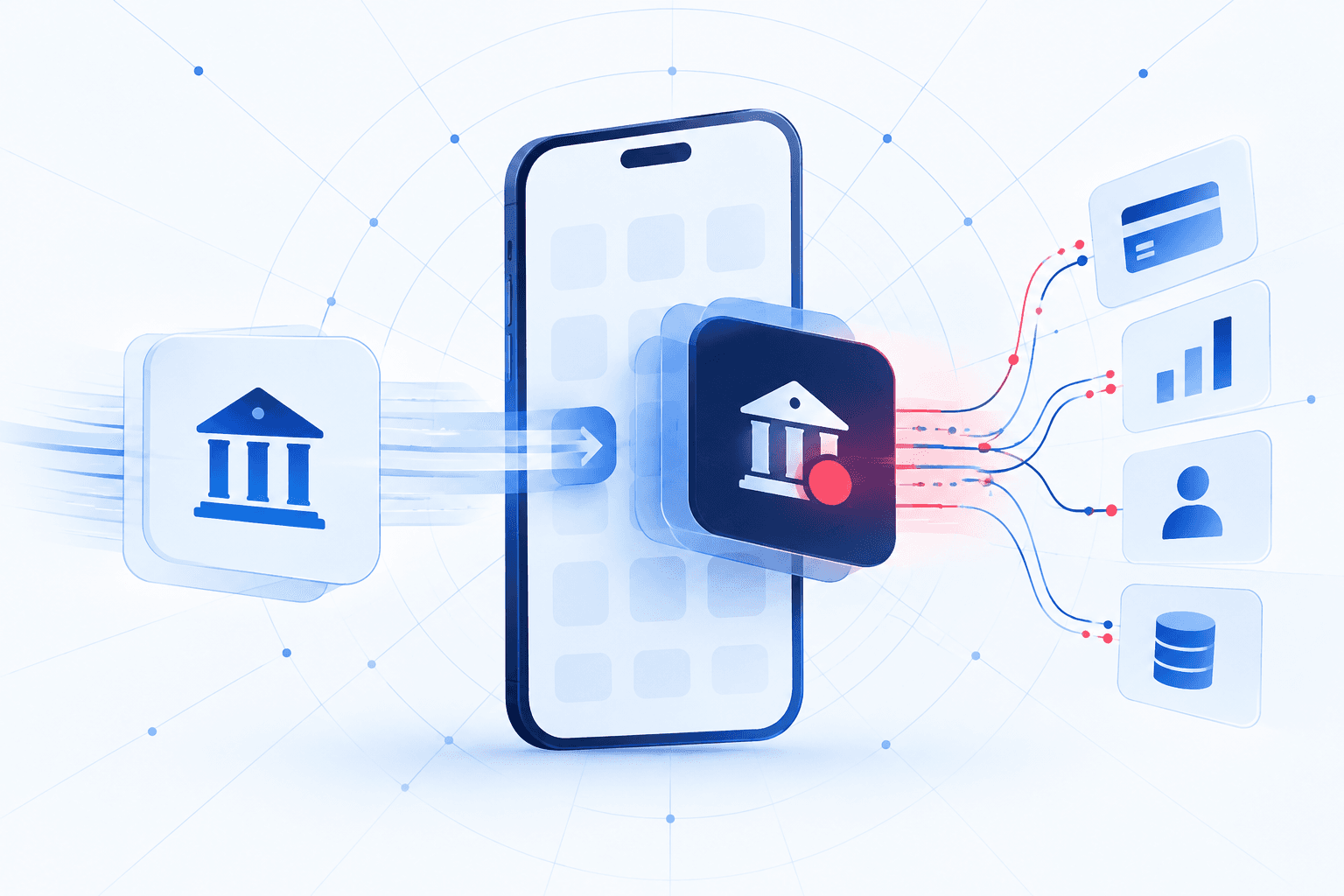
ThreatFabric identified Hirudo, an Android banking trojan that steals credentials and enables live remote control by replacing legitimate banking apps with modified copies. Researchers found patched versions of eight Indonesian banking apps, impersonation of at least seven Indonesian banks, and additional credential targets in China, India, Mexico, Morocco, and Thailand. Apparently functional shopping, video, adult-content, and short-drama apps deliver the malware as a separate installation package through fake update prompts. Distribution is linked to counterfeit Google Play pages and suspected advertising on Meta-owned platforms.
Hirudo abuses Android Accessibility permissions to facilitate installation of the patched apps, surveillance, and remote control. The replacements embed a hooking engine that manipulates signature verification, accessibility detection, screen-capture protections, and integrity checks, undermining defenses inside the banking applications rather than relying solely on fake overlays. Researchers found thousands of application-credential entries in an unsecured campaign-management backend, but the victim count remains unknown. Banks should prioritize server-side integrity and attestation validation rather than trusting locally generated security signals; Google has marked two certificates in Hirudo’s leaked attestation keybox as compromised.
Why it matters
Hirudo exposes Android banking customers to account takeover, fraudulent payments, credential theft, and extensive device surveillance by replacing legitimate banking apps with tampered copies. Confirmed replacement coverage comprises eight Indonesian banking apps across seven banks; configured credential targets extend to China, India, Mexico, Morocco, and Thailand, but this does not establish active replacement campaigns in those countries. Operational backend records demonstrate real credential collection, including thousands of application-credential entries, but neither the number of unique victims nor confirmed financial losses is established.
- Affected organizations: Retail banks, wallet providers, and organizations whose users access financial services from infected Android devices. The supplied content does not name the eight replacement banking apps.
- Business consequences: Stolen banking passwords, payment PINs, SMS messages, and device-unlock secrets support fraud and account recovery abuse. Remote control lets operators act from the victim's own device, weakening controls that depend on device familiarity.
- Privacy exposure: Screen streaming, camera access, audio recording, and exposed device and financial-profile records create substantial personal-data exposure.
- Scope: ThreatFabric found a registry of 42 financial applications, but dedicated replacement downloads for only eight. Some distribution routes remained live into October 2026; the reusable hooking engine supports expansion to additional applications and regions.
- Trust boundary: The attack tampers with locally installed copies. The reporting does not establish compromise of banks' official application repositories or signing keys.