Malware Droppers Shift Payload Delivery to Cloud Storage Services
Malware Intelligence · 1 source · Updated 4mo ago · First seen Apr 10, 2020
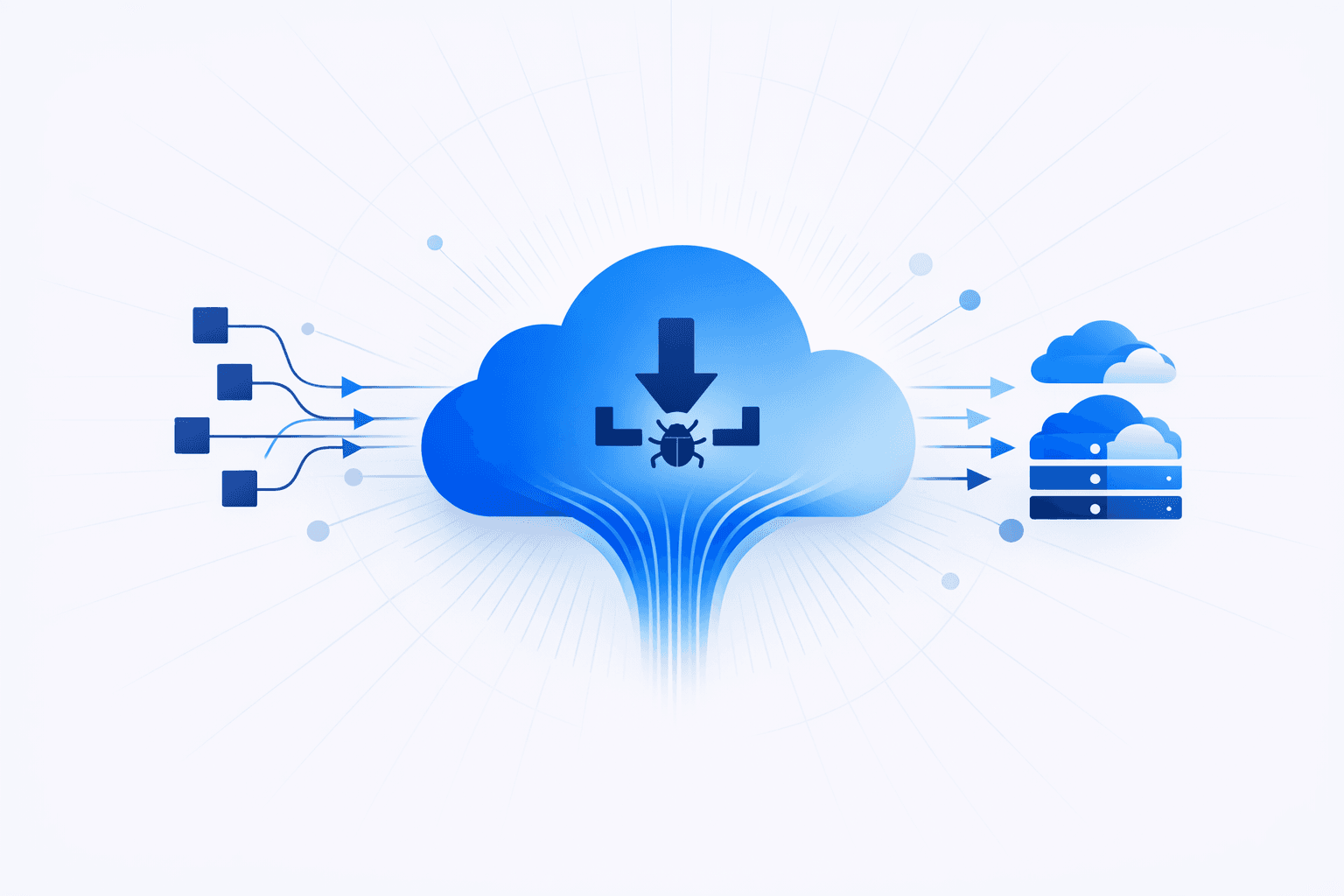
Threat actors increasingly used small, heavily obfuscated droppers to retrieve encrypted malware payloads from trusted cloud storage platforms including Google Drive, OneDrive, Dropbox, and SharePoint, then decrypt and execute them only in memory. Check Point Research linked the technique to Legion Loader and multiple other malware families such as NanoCore, LokiBot, Remcos, and Pony Stealer, identifying roughly 10,000 samples and about 800 new samples per week; Google Drive accounted for 72% of observed payload downloads.
The droppers were commonly distributed through spam campaigns carrying ISO attachments and used anti-debugging, sandbox evasion, and optional registry autorun persistence to delay payload retrieval until after reboot. Researchers said the downloaded files were typically stored in encrypted form using rotating-XOR with long hardcoded keys, often with names containing _encrypted_, and were never written to disk in decrypted form, making retrospective forensic analysis more difficult even as well-instrumented sandboxes could still reveal the full infection chain.
Why it matters
Impact assessment
This activity affects Windows endpoints across all industries, especially organizations exposed to commodity malware delivery through email spam. The impact is significant because the technique delivers credential theft and remote-access malware families while reducing detection efficacy by using trusted cloud platforms and memory-only execution.
The exposure is widespread rather than narrowly targeted: researchers identified roughly 10,000 samples, about 8,000 URLs, and approximately 800 new samples per week. There is clear evidence of in-the-wild exploitation through active spam campaigns and operational use by multiple malware families, including Legion Loader, NanoCore, LokiBot, Remcos, and Pony Stealer.
Supporting details
- Affected users: Windows users receiving malicious email attachments, particularly ISO-based lures.
- Affected sectors: broad cross-sector exposure; no single industry focus indicated.
- Business impact:
- Credential theft and data loss from info-stealers such as LokiBot and Pony Stealer.
- Remote access and follow-on compromise from RATs such as NanoCore and Remcos.
- Increased incident response difficulty because decrypted payloads are not written to disk.
- Reputational and operational risk from malware execution sourced through trusted domains.
- Scope indicators:
- Approximately 10,000 samples observed.
- Approximately 800 new samples per week.
- About 72% of observed payload downloads used Google Drive.
- Known exploitation: yes, via active spam campaigns distributing ISO attachments.