Mustang Panda Deploys Hodur PlugX Variant Against Diplomats, ISPs, and Researchers
Threat Actor Intelligence · 7 sources · Updated 4mo ago · First seen Mar 11, 2021

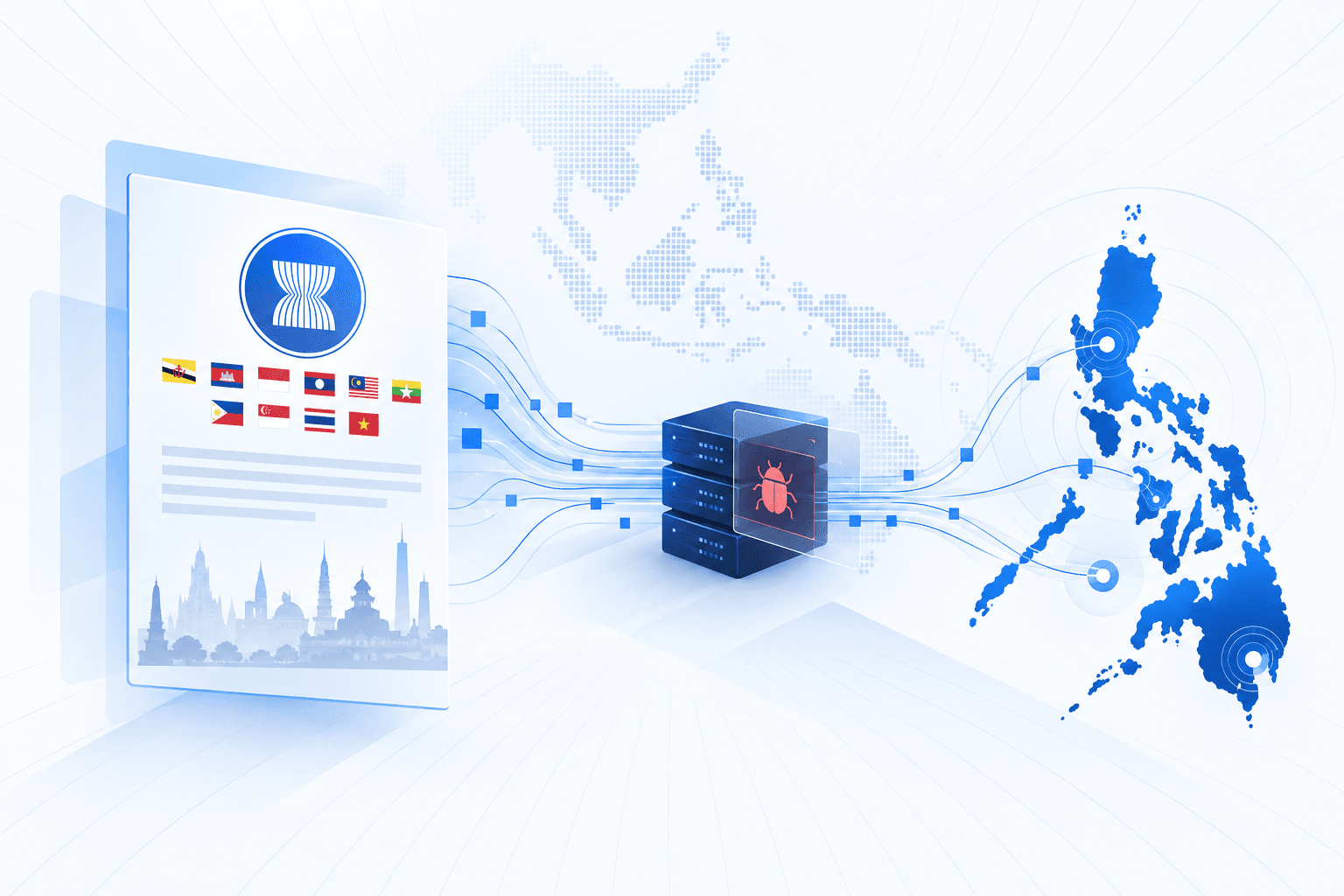
Researchers reported that the China-linked espionage group Mustang Panda (TA416, RedDelta, PKPLUG) has run a long-lived phishing campaign since at least August 2021 against European diplomatic missions, internet service providers, and research organizations, with many observed victims in Mongolia, Vietnam, and Myanmar and additional targeting in Europe and Africa. The lures used decoy documents tied to current events and government themes, including Ukraine border tensions, COVID-19 travel restrictions, and EU regulations, to entice targets into opening malicious files.
The intrusions delivered a previously undocumented Korplug/PlugX variant dubbed Hodur, continuing a pattern of Mustang Panda PlugX activity seen in earlier Exchange-related and Myanmar-focused operations. The infection chain commonly relied on DLL side-loading with legitimate signed executables such as SmadAV, a malicious loader, and an encrypted payload, sometimes preceded by a downloader fetching components over HTTPS. Analysts said the malware introduced stronger obfuscation, encrypted strings and payloads, anti-analysis features, registry or scheduled-task persistence, and encrypted command-and-control over HTTPS or custom TCP with RC4, enabling reconnaissance, file theft, remote shell access, and broader espionage operations.
Why it matters
Impact assessment
Mustang Panda conducted a sustained cyberespionage campaign against diplomatic missions, ISPs, and research organizations, with the heaviest observed targeting in Mongolia, Vietnam, and Myanmar and additional victims in Europe and Africa. The impact is high for targeted organizations because Hodur/PlugX provides persistent remote access, host reconnaissance, file theft, and remote shell capability, enabling long-term intelligence collection and operational disruption if used to pivot further.
This is a targeted campaign rather than indiscriminate mass exploitation, but the exposure is meaningful for government-facing, telecom, and research sectors because the operators repeatedly refreshed lures and tooling over many months. The reporting describes active operations in the wild from at least August 2021 through March 2022 and ties the activity with high confidence to Mustang Panda, a known China-linked espionage actor.
Affected entities
- Industries/sectors: diplomatic missions, internet service providers, research entities, governmental organizations, NGOs
- Threat actor: Mustang Panda
- Aliases: TA416, RedDelta, PKPLUG
- Countries observed: Mongolia, Vietnam, Myanmar, Greece, Russia, Cyprus, South Sudan, South Africa
Severity and business risk
- Primary risk: espionage, data theft, persistent unauthorized access
- Likely impacts: theft of sensitive diplomatic, telecom, or research data; monitoring of communications; follow-on intrusion activity
- Operational risk: moderate to high for targeted victims due to persistence, hidden execution, and remote command capability
- Reputational risk: high for diplomatic and research organizations handling sensitive information
Scope and exploitation status
- Scope: targeted, long-running campaign with geographically broad victimology
- Activity window: at least August 2021 to March 2022
- Exploitation in the wild: yes, multiple observed victim organizations and active malware deployment
- Related activity: overlaps with earlier Mustang Panda PlugX/THOR activity and Myanmar-focused campaigns