New York Expands Cybersecurity Mandates and Grants for Water Utilities
Regulatory & Policy · 3 sources · Updated 4mo ago · First seen Aug 4, 2026
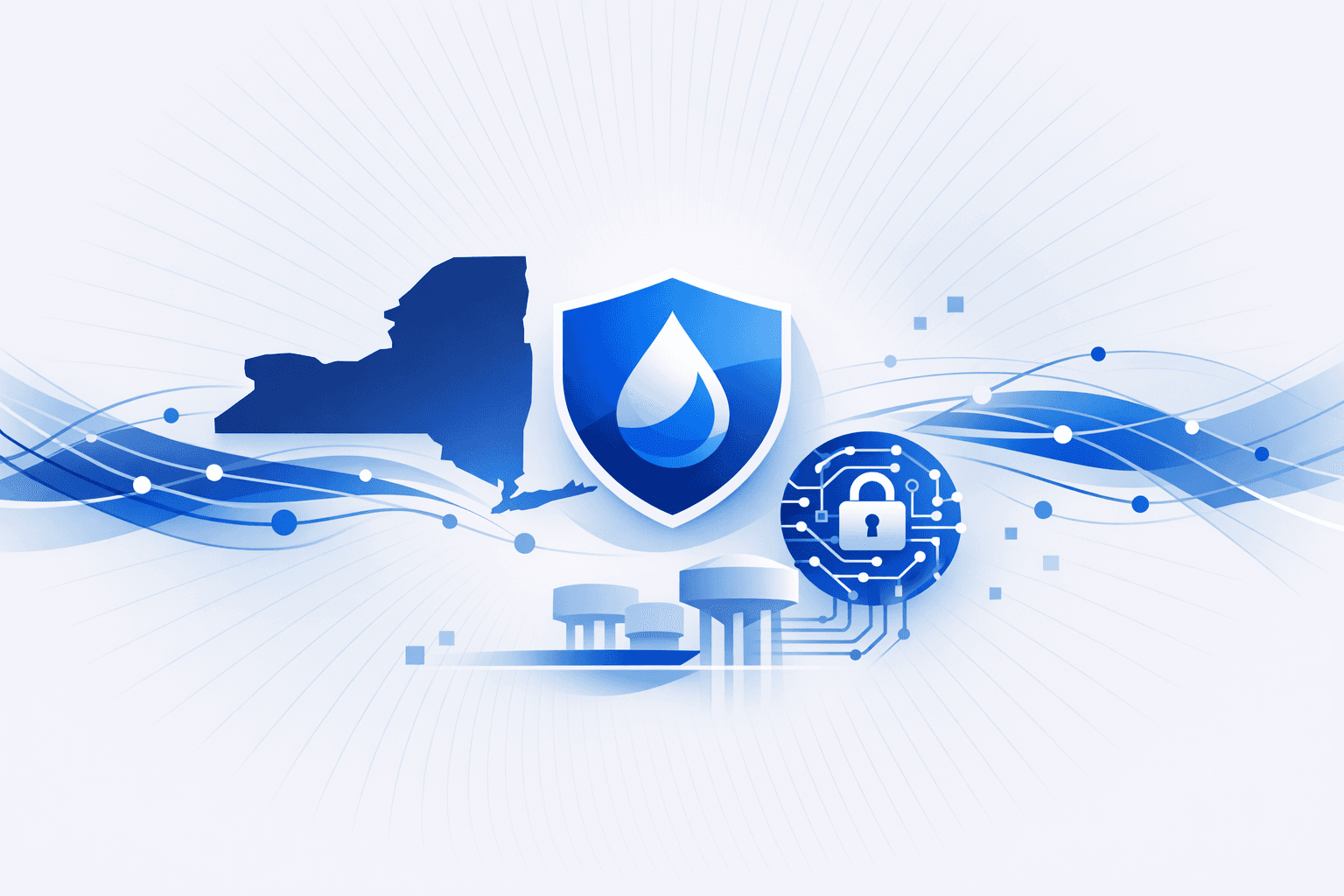
New York has expanded its effort to protect drinking water and wastewater systems by pairing statewide cybersecurity requirements with more than $9 million in SECURE grant funding for 153 utilities. State officials said the program supports cybersecurity assessments, security upgrades, operator training, incident reporting, and risk-based protections, while requiring larger drinking water systems to designate cybersecurity leads. The initiative builds on regulations issued by the Departments of Environmental Conservation and Health and is administered through the Environmental Facilities Corporation with technical assistance for local communities.
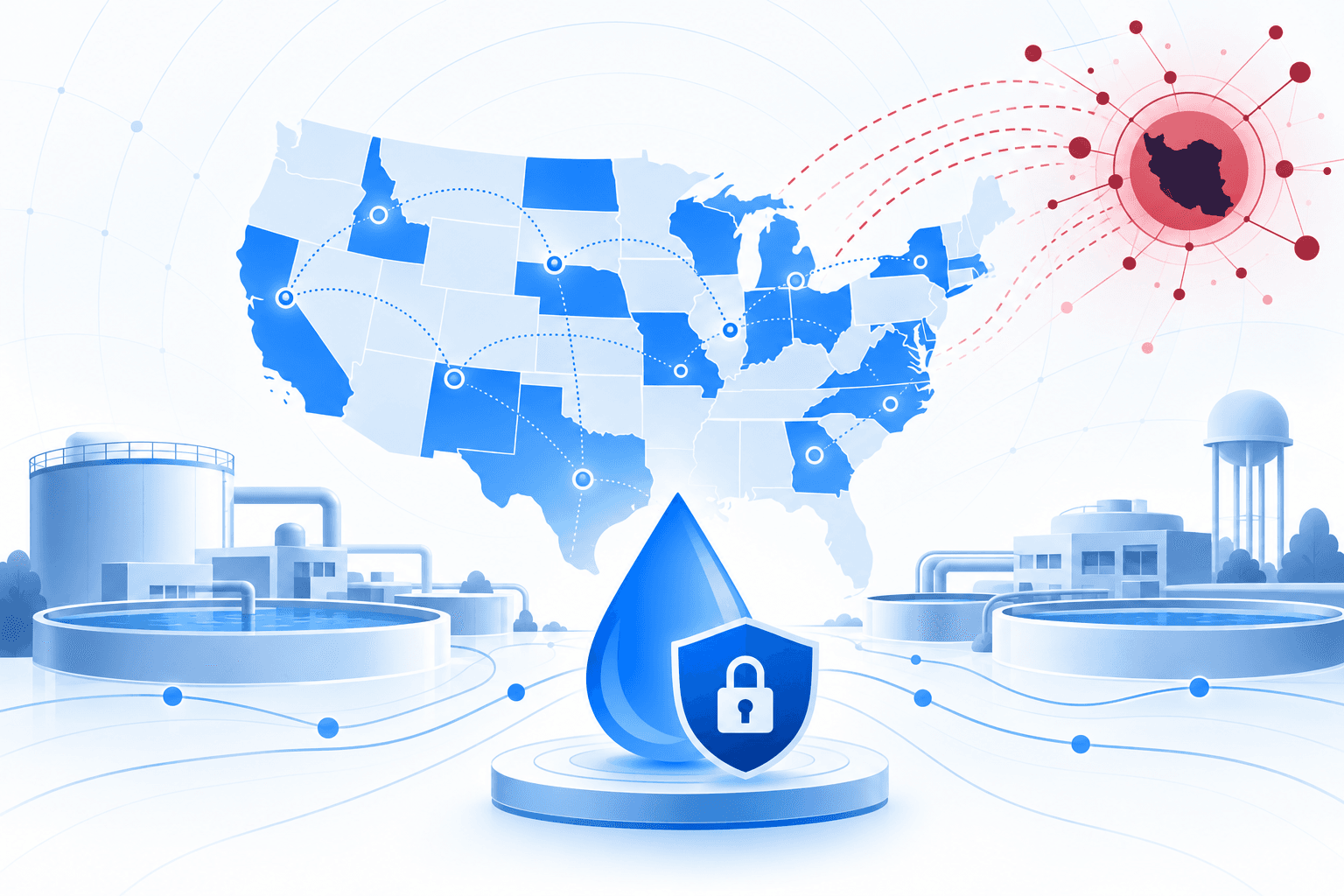
The funding push comes as U.S. water infrastructure faces heightened operational technology threats. A recent multistate campaign targeted more than 30 community water systems in Minnesota, with additional incidents reported in at least seven states including Michigan, South Dakota, and Georgia. Federal investigators have not formally attributed the activity, but Iran is considered a leading suspect because the tactics resemble earlier operations against industrial control systems and water utilities. In response, CISA urged operators to remove internet-exposed PLCs and strengthen remote access and password security.
Why it matters
Impact assessment
New York’s action materially raises the security baseline for drinking water and wastewater operators, especially municipally run utilities with limited cyber staff and funding. The broader story is significant because it follows a multistate OT-focused campaign that disrupted automated control functions at more than 30 Minnesota community water systems and affected additional utilities across at least seven states, with reporting citing up to 12 states targeted.
Business and operational impact
- Affected sector: drinking water and wastewater utilities, especially local governments and community-operated plants.
- Geographic scope: New York statewide for the regulatory and grant program; recent threat activity spans multiple U.S. states including Minnesota, Michigan, South Dakota, and Georgia.
- Severity: potential operational disruption to treatment and pumping processes, temporary plant outages, public health and safety risk, and reputational damage for municipalities.
- Known incidents: yes. In Minnesota, more than 30 community water systems were targeted on July 26-27; some municipalities reported disruption to automated control functions.
- Confirmed operational effect: Braham, Minnesota briefly took its water plant offline after attackers shut down operating controls, stopping the well and water treatment plant.
- Service continuity: most affected facilities reportedly remained operational through contingency procedures, and some municipalities stated drinking water remained safe.
- Exposure scope: the New York program is preventive and broad across 153 funded projects, while the recent cyber campaign appears targeted at water-sector OT environments rather than indiscriminate mass exploitation.
Structured facts extracted from references
- Entities: New York Governor Kathy Hochul; New York Departments of Environmental Conservation and Health; Environmental Facilities Corporation; CISA; EPA; Halcyon; FBI Cyber Division; Colin Ahern; Michaela Lee; Dr. James McDonald; Cynthia Kaiser; Mauricio Papa.
- Funding: more than $9 million in SECURE grants for 153 local government projects; earlier March announcement cited $2.5 million.
- Utility requirements: cybersecurity assessments, security upgrades, operator training, incident reporting, risk-based protections, and cybersecurity lead designation for larger drinking water systems.
- Threat context: coordinated cyber campaign targeted operational technology at U.S. water and wastewater facilities; federal investigators had not formally attributed the activity; Iran is cited by analysts as the leading suspect based on similarity to prior operations.