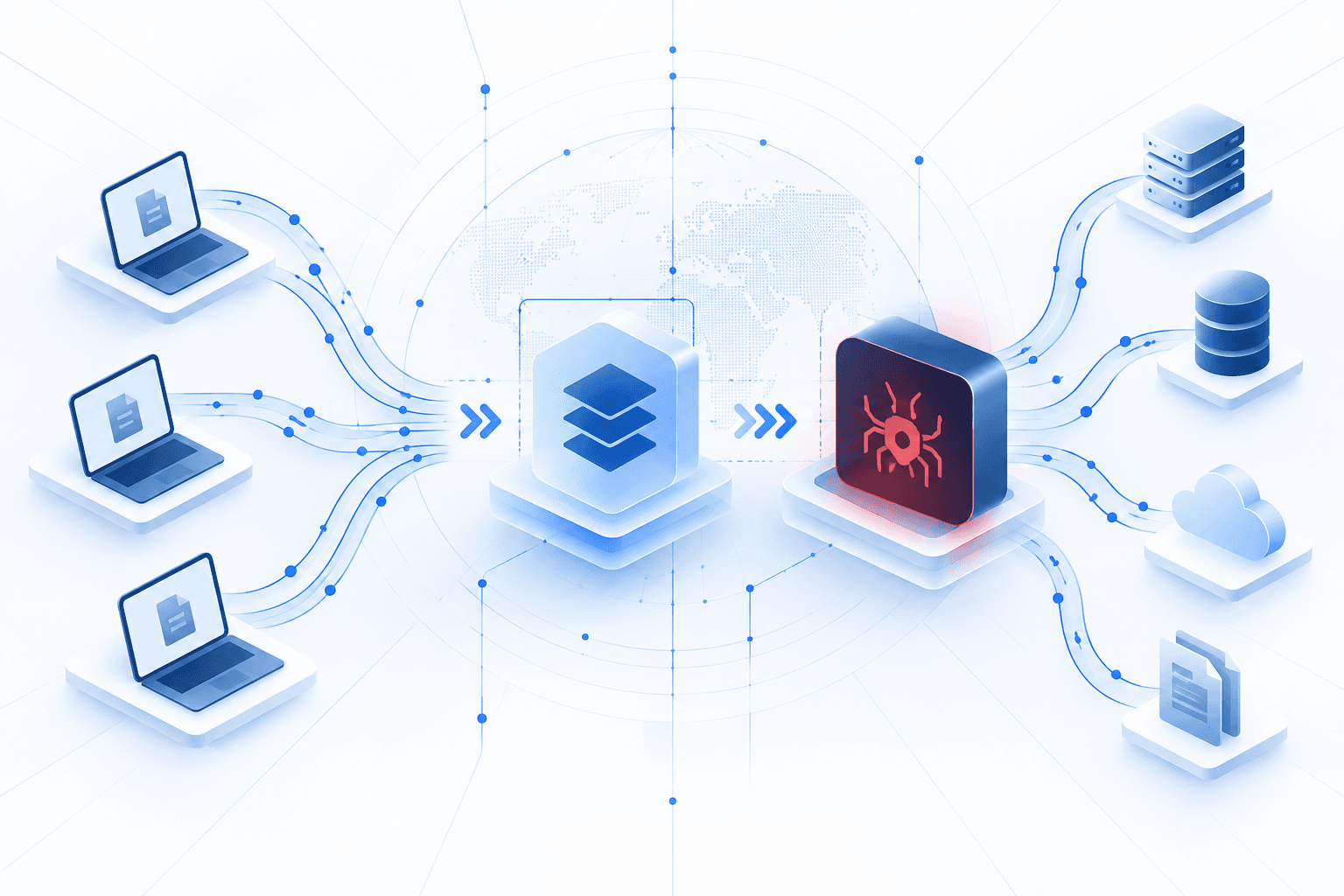
Remus Infostealer Uses Ethereum-Based C2 in Fake Cracked Software Campaign
Malware Intelligence · 2 sources · Updated 4mo ago · First seen Aug 3, 2026
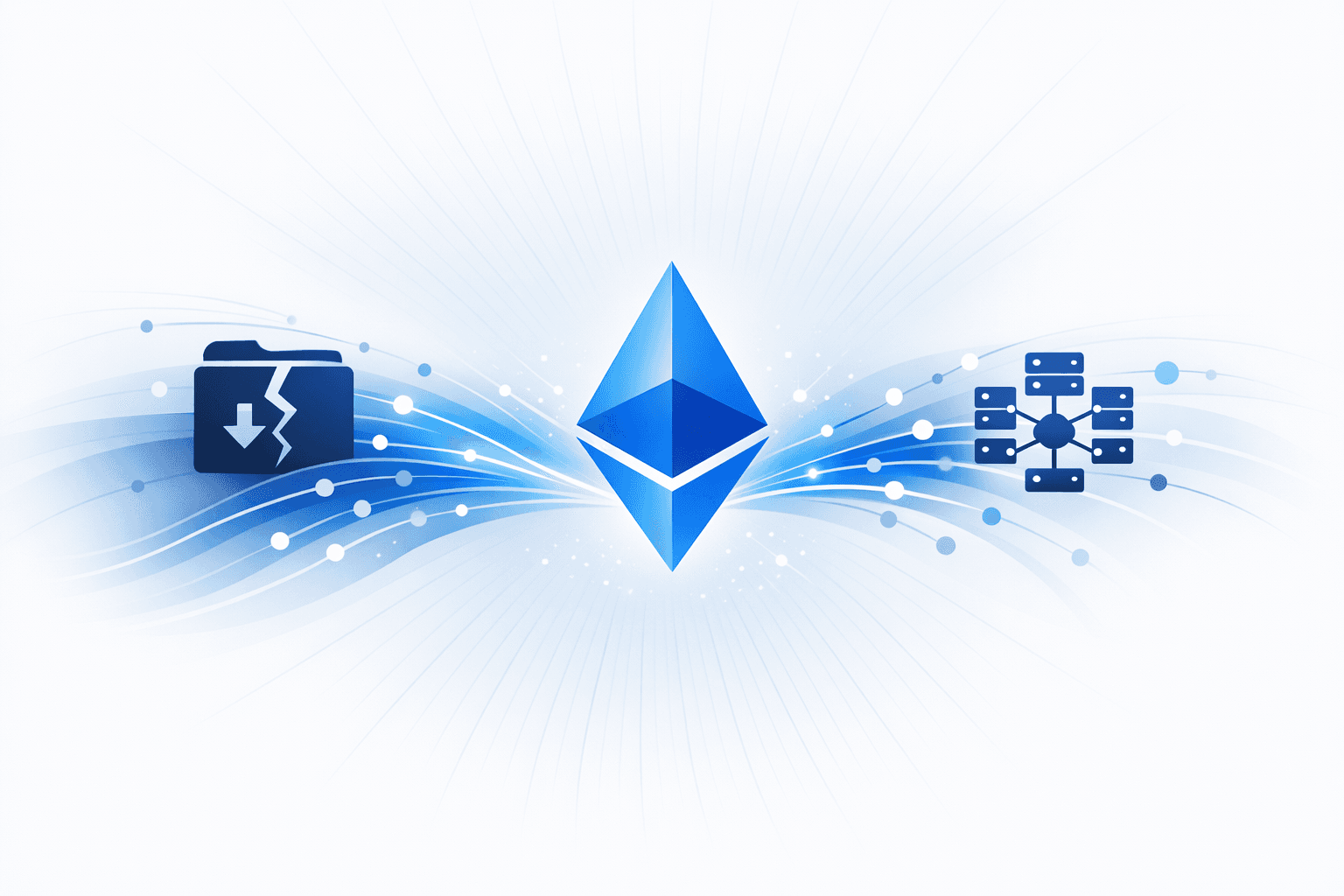
The Remus Windows infostealer is being distributed through SEO-poisoned fake cracked-software and warez sites, with repeated Turkish-language lures indicating a likely focus on Turkish-speaking users seeking pirated tools and games. After execution, the malware injects into active Chromium-based browser processes to access browser vault data and steal saved passwords, cookies, crypto wallet information, password manager contents, FTP credentials, clipboard data, screenshots, enterprise email storage files, gaming platform data, and system reconnaissance details.
Researchers reported that Remus resolves its command-and-control infrastructure through an Ethereum smart contract, allowing operators to rotate backend servers without updating the malware binary. Stolen data is then exfiltrated over HTTP POST to newly registered domains, in some cases with a spoofed Host header designed to resemble legitimate technology vendor telemetry traffic. The campaign appears to rely on rotating domains and IPs and to share open-directory delivery infrastructure with other infostealer families, highlighting a broader fake-cracked-software distribution ecosystem rather than a single isolated malware operation.
Why it matters
Impact assessment
Remus is a credential and data theft threat affecting Windows users who download pirated or fake cracked software, with current lure patterns indicating elevated risk for Turkish-speaking users and organizations with unmanaged endpoints. The impact is high for individuals and enterprises because the malware steals browser credentials, session cookies, crypto wallet data, password manager contents, FTP credentials, screenshots, clipboard data, gaming platform data, and enterprise email storage files.
The campaign appears broad in distribution through SEO-poisoned warez sites, but user targeting is opportunistic rather than tightly sector-specific. There is active in-the-wild exploitation via malicious download sites, and the use of rotating domains, IPs, and blockchain-anchored C2 increases resilience and complicates blocking and incident response.
Supporting facts
- Affected platform: Windows.
- Primary victim profile: users downloading cracked software, pirated tools, and games.
- Likely language/geographic focus: Turkish-language lures using terms such as “İndir,” “Türkçe,” and “Yama.”
- Data at risk:
- Saved passwords and browser vault data
- Session cookies
- Crypto wallet and browser extension wallet data
- Password manager contents
- FTP client credentials
- Clipboard contents
- Screenshots
- Enterprise email storage files including PST files
- Gaming platform data
- System and privilege reconnaissance data
- Operational risk:
- Account takeover through stolen credentials and cookies
- Financial theft through crypto wallet targeting
- Follow-on compromise using password manager and FTP credentials
- Business email exposure through local mail store theft
- Scope indicators:
- SEO poisoning and warez storefront distribution suggest broad exposure
- Shared infrastructure hosting multiple infostealers indicates a larger distribution ecosystem
- Known exploitation status: active campaign observed by Unit 42 using live delivery and C2 infrastructure.