Taiwan Charges Executives for Aiding China-Linked Espionage via Fake Journalist Lures
Threat Actor Intelligence · 3 sources · Updated 5mo ago · First seen Jul 8, 2026
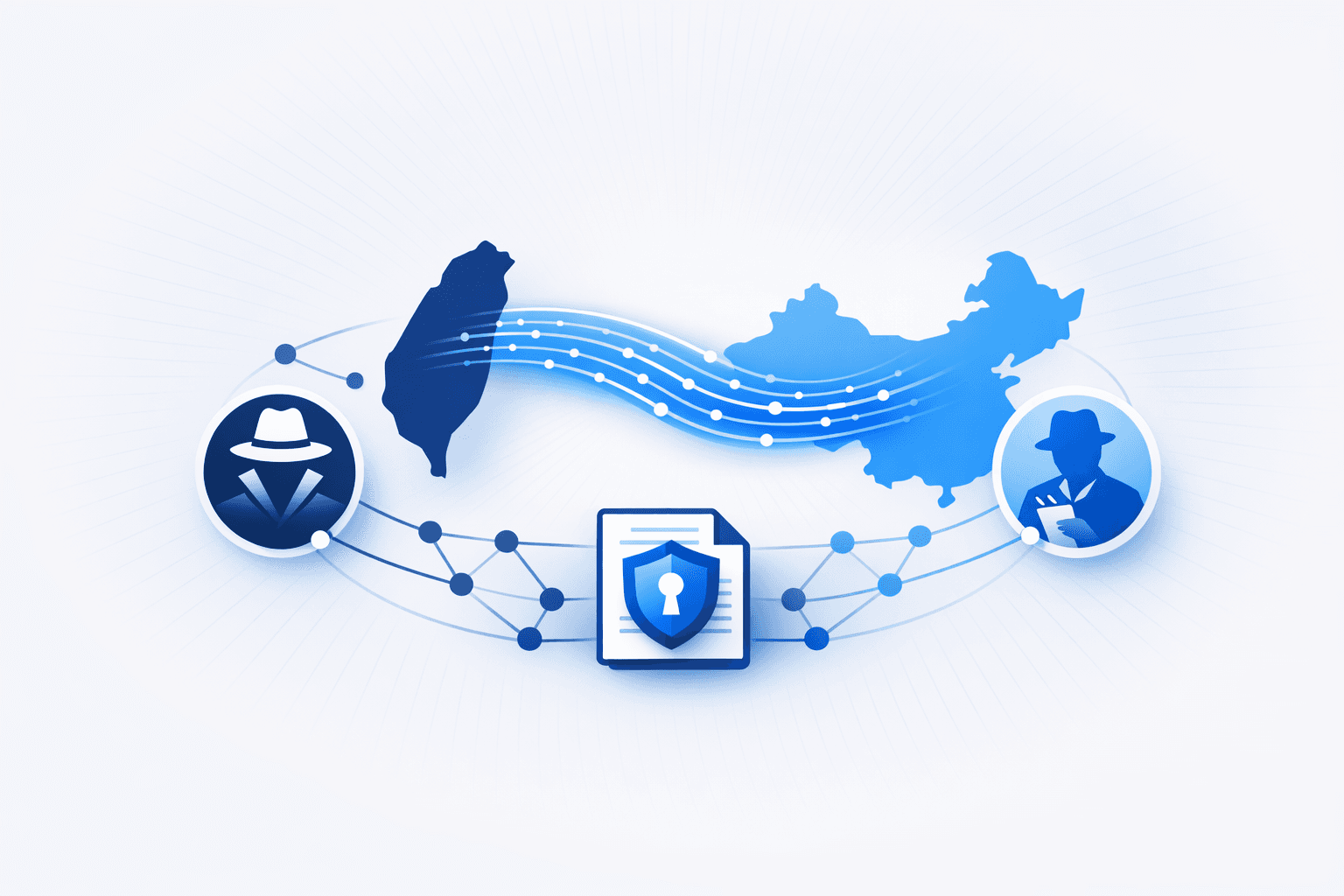
Taiwanese authorities have charged two local executives for allegedly helping China-linked cyber operators run a social-engineering and espionage campaign against Taiwanese officials, academics, journalists, NGO workers, and civil society figures. Investigators said the men obtained Taiwanese LINE accounts and leased them to Xiamen Empress Information Technology Co. Ltd., a company authorities say is tied to China’s cyber forces, allowing operators to impersonate journalists associated with the International Consortium of Investigative Journalists and approach targets with phishing messages and other deceptive outreach.
The case aligns with earlier findings from ICIJ and Citizen Lab, which documented a broader Beijing-linked operation that used fake journalist personas, LinkedIn messages, paid article offers, phishing emails, and malware disguised as secure communications software to steal information from people of interest to the Chinese government. Reporting on the wider campaign said the infrastructure included more than 100 malicious domains and targeted dissidents, democracy activists, and Uyghur, Tibetan, Hong Kong, and Taiwanese communities, underscoring how commercial intermediaries allegedly supported state-linked cyber espionage.
Why it matters
Impact assessment
This activity affects government, academia, media, NGOs, and civil society communities connected to Taiwan, as well as diaspora groups of interest to the Chinese government. The impact is high for targeted victims because the campaign combines trusted-platform impersonation, credential theft, and malware delivery to enable espionage, data theft, and follow-on compromise.
The scope appears targeted rather than indiscriminate, but broad across multiple victim classes and geographies. Taiwanese authorities tied the operation to China-linked operators and reported active use of leased Taiwanese LINE accounts to impersonate journalists; prior ICIJ and Citizen Lab reporting indicates the wider campaign used more than 100 malicious domains over nine months and targeted Uyghur, Tibetan, Hong Kong, and Taiwanese communities, journalists, and democracy activists.
Supporting details
- Affected populations:
- Taiwanese officials and politicians
- Academics and scholars
- Journalists, including ICIJ-affiliated reporters
- NGO workers and civil society figures
- Democracy activists and diaspora communities including Uyghur, Tibetan, Hong Kong, and Taiwanese groups abroad
- Business and operational impact:
- Theft of sensitive communications and stored data from compromised devices
- Exposure of confidential sources, research, political activity, and advocacy networks
- Reputational harm from successful impersonation of legitimate journalists and media organizations
- Increased risk of follow-on targeting through harvested credentials and trusted contact channels
- Scope and exploitation status:
- Known real-world operation investigated by Taiwanese authorities
- Social-engineering infrastructure included leased Taiwanese mobile-number-backed LINE accounts
- Wider campaign previously documented by ICIJ and Citizen Lab used over 100 malicious domains
- Activity is consistent with sustained state-linked espionage, not opportunistic cybercrime
Entities named
- Xiamen Empress Information Technology Co. Ltd.
- International Consortium of Investigative Journalists
- Citizen Lab
- Taiwan Ministry of Justice Investigation Bureau
- Taipei City Investigation Office
- Abigail
- Li Hualun
- Chen Mengsen