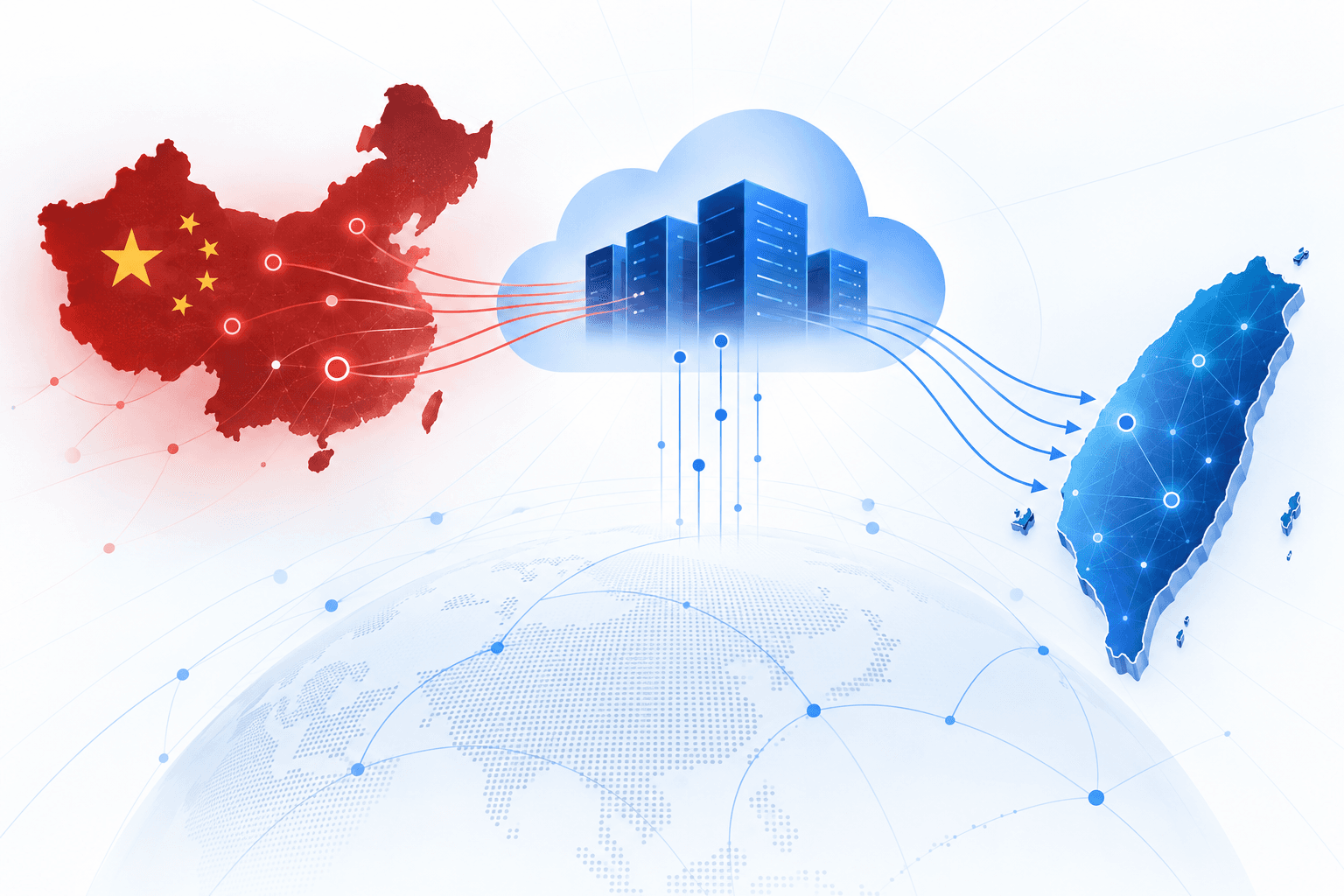
China-Aligned APTs Shared Compromised Access in Taiwan and APAC Espionage Campaigns
Threat Actor Intelligence · 3 sources · Updated 3mo ago · First seen Aug 21, 2026
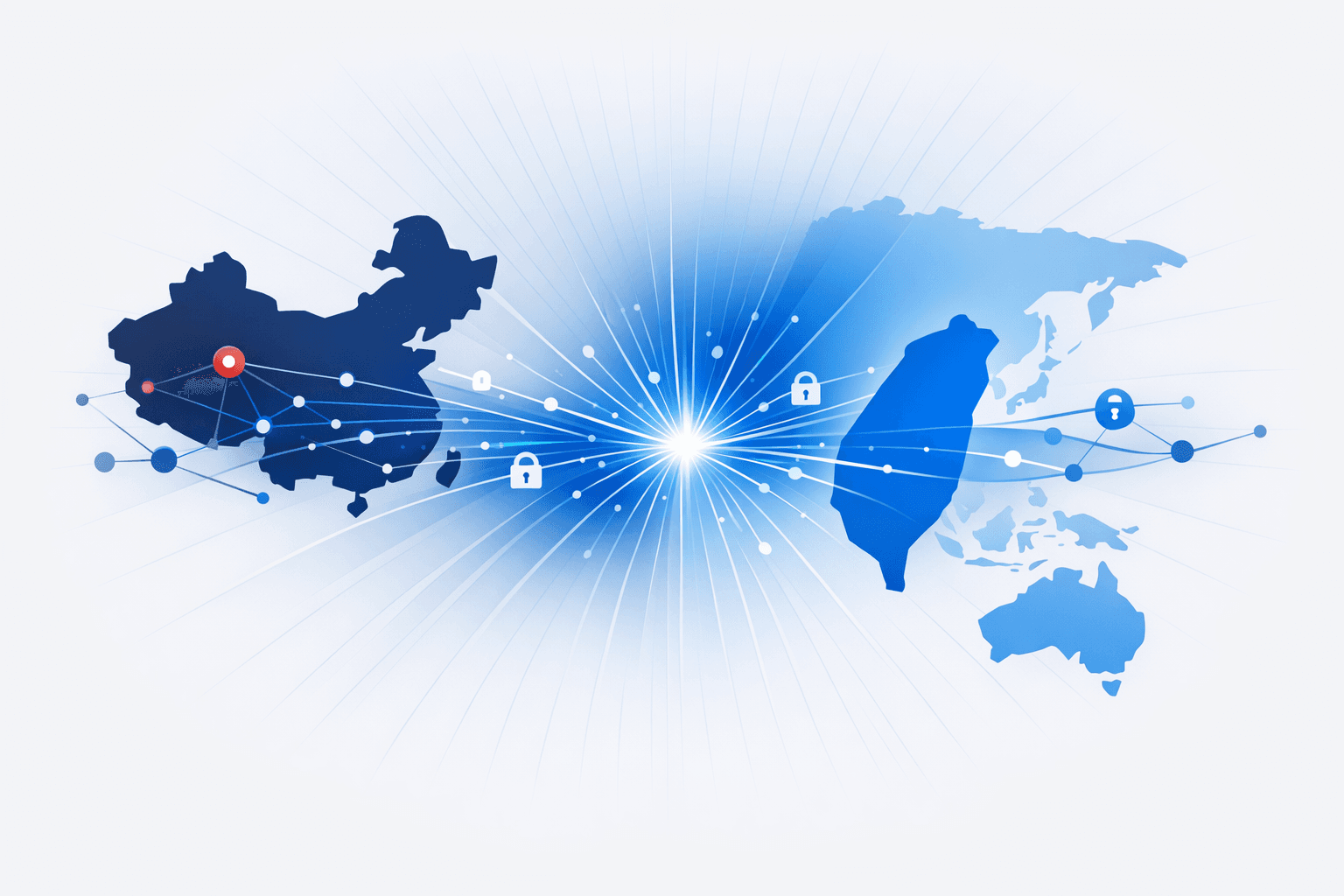
Trend Micro and TrendAI reported that China-aligned espionage groups collaborated by passing live access to already-compromised networks between intrusion sets, a model Trend calls "Premier Pass-as-a-Service." In one cited case, Earth Estries breached a Southeast Asian government environment, deployed CrowDoor and related tooling, and then enabled follow-on activity tied to Earth Naga—also tracked as Flax Typhoon, RedJuliett, or Ethereal Panda—including ShadowPad infrastructure. The reporting says this approach differs from traditional initial access brokerage because downstream operators appear to receive direct access to victim assets rather than just stolen credentials or footholds.
The activity aligns with separate reporting that RedJuliett intensified cyber espionage against Taiwanese organizations through exploitation of internet-facing network perimeter devices, while Trend Micro described Earth Estries as conducting long-term intrusions across government, telecommunications, and information service providers in APAC, Taiwan, and NATO countries. Researchers said the cooperative model can place multiple China-linked actors in the same intrusion chain or even the same process flow, complicating attribution and incident response, and they highlighted exploitation of Citrix devices including CVE-2025-5777 among the techniques used to gain or extend access.
Why it matters
Impact assessment
China-aligned espionage activity is affecting government, telecommunications, information service providers, media, academia, military-related manufacturers, and technology organizations, with especially heavy targeting of Taiwan and broader APAC. The impact is high because the reported model enables one intrusion set to hand live, persistent access to another, increasing dwell time, complicating attribution, and raising the likelihood of sustained intelligence collection and lateral movement.
Key business impact
- Affected sectors include government agencies, telecommunications providers, information service providers, media outlets, academic institutions, technology companies, and military-related manufacturers.
- Geographic exposure spans Taiwan, APAC, NATO member countries, the United States, the Middle East, Latin America, South America, and South Africa.
- The activity is targeted rather than indiscriminate, but it affects high-value organizations with strategic or communications relevance.
- Operational impact includes compromise of internal servers, lateral movement over SMB and SSH, persistence via backdoors, and likely long-term espionage access.
- Reputational and regulatory risk is elevated for telecom and government victims because compromise of communications infrastructure and sensitive internal systems can expose customer, citizen, or state information.
Known incidents and scope
- Trend reported a late-2023 attempted shared-access case in which Earth Naga tooling was detected and blocked before known C2 traffic was observed.
- Trend identified a November 2024 case involving a major mobile retail company in APAC.
- Trend identified a March 2025 shared-access case involving a Southeast Asian government agency.
- Between late April and late July 2025, Trend detected attempts by Earth Estries and Earth Naga to gain access to at least two top telecommunications providers in APAC and NATO countries.
- In April 2025, Earth Naga gained access to the Check Point mail server of a leading information service provider in Taiwan.
- Exploitation in the wild is established based on the cited intrusions and active targeting of internet-facing edge devices, including Citrix systems.