QakBot v5 Expands to 64-Bit Windows With Updated Encryption and C2 Logic
Malware Intelligence · 2 sources · Updated 4mo ago · First seen Feb 7, 2024

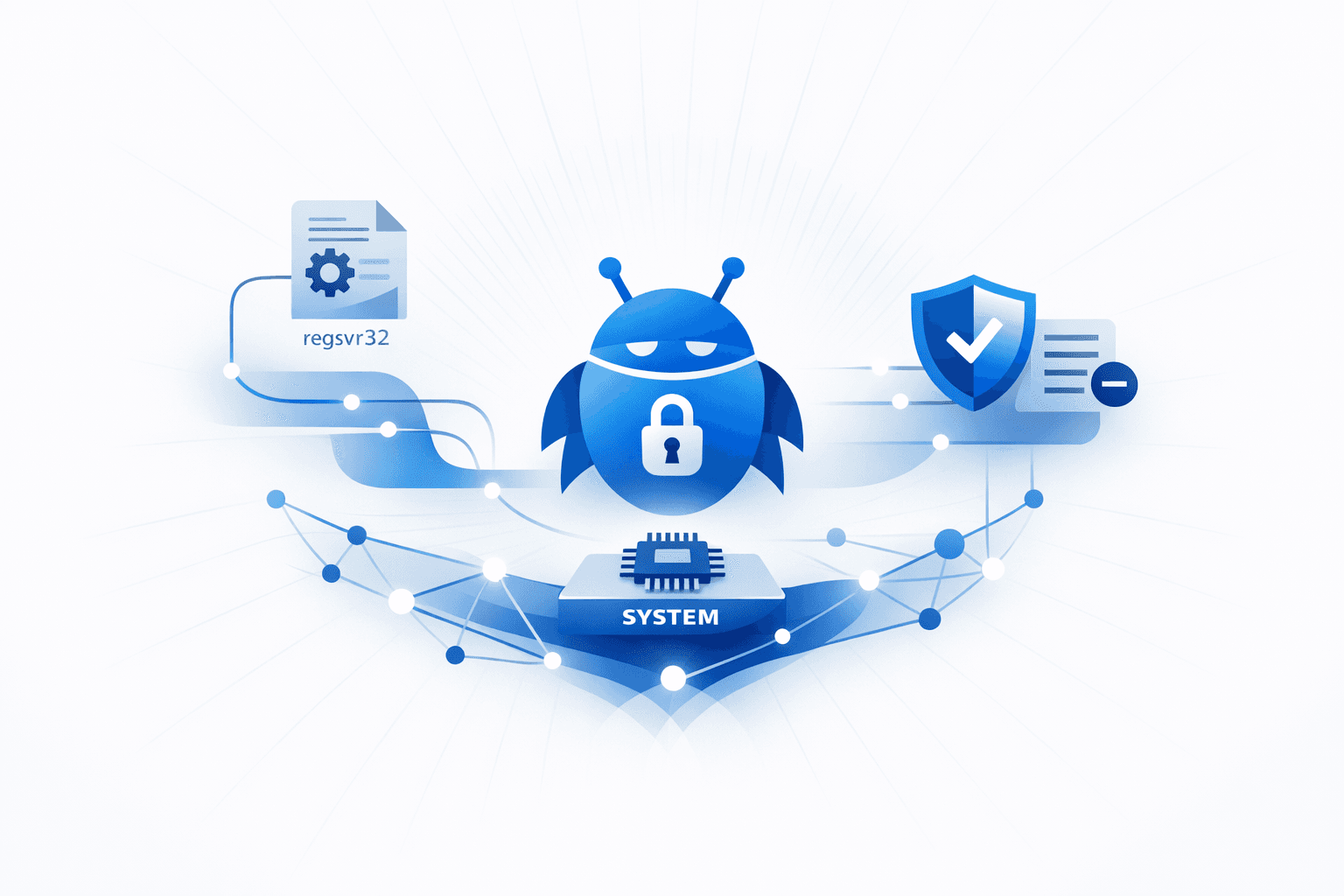
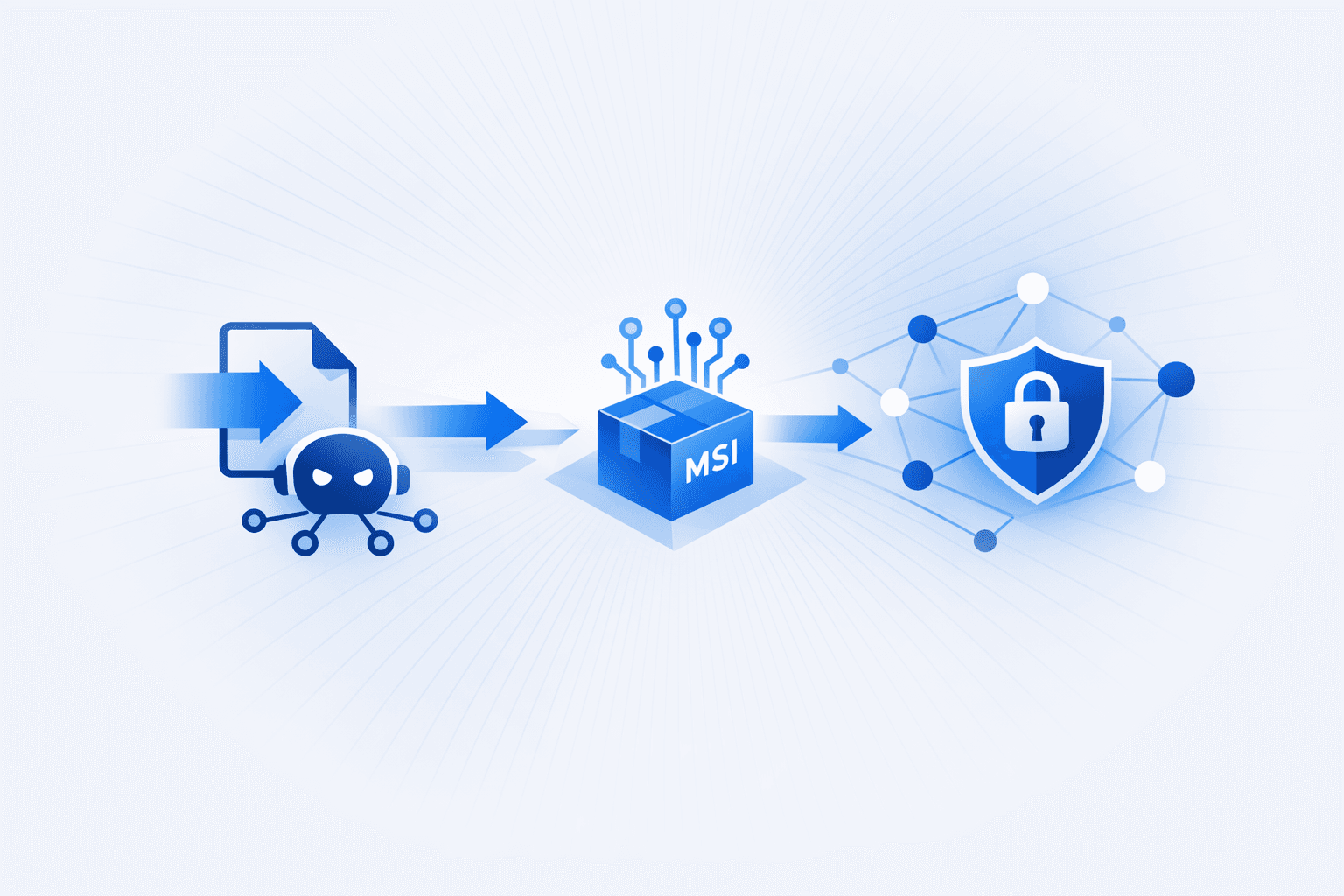
Researchers analyzing QakBot v5.0 reported that the long-running malware family has added support for 64-bit Windows while preserving its role as a modular loader and information stealer. The examined sample, a 64-bit DLL seen in the wild in early February 2024, uses layered anti-analysis techniques including sandbox, emulator, process, and virtual machine checks, and relies on CRC32-based API hashing with an added XOR layer to obscure functionality. Analysts also found updated string handling in which an encrypted xor_key_blob is first decrypted before being used to recover embedded strings tied to execution paths, persistence, WMI queries, virtualization detection, security-product checks, and command execution.
The malware stores configuration data in the .data section and protects it with AES-based encryption, while its command-and-control traffic is sent over HTTP using AES-encrypted, Base64-encoded payloads. Recovered configuration details included the QakBot ID tchk08, flag 40=1, and a timestamp of 2024-01-31 21:22:34; analysts also extracted C2 endpoints at 31.210.173.10:443, 185.156.172.62:443, and 185.113.8.123:443. Beyond communications, QakBot v5.0 performs extensive host reconnaissance through WMI, Windows APIs, and shell commands, supports process hollowing, and maintains persistence through registry entries or scheduled tasks, underscoring its continued evolution as a stealthy post-compromise platform.
Why it matters
Impact assessment
QakBot v5.0 remains a high-risk post-compromise malware platform for Windows environments and now expands that risk to 64-bit Windows hosts. Enterprises, government organizations, and other business networks are the most exposed because the malware supports credential theft, host profiling, persistence, lateral-enablement, and follow-on payload delivery.
The impact can include data theft, broader network compromise, operational disruption, and downstream ransomware or secondary malware deployment. The sample was observed in the wild, indicating active use rather than a purely theoretical capability, but the reporting describes a malware evolution and specific sample analysis rather than a mass-exploitation event.
Supporting facts
- Affected platforms: 64-bit Windows systems.
- Affected populations: enterprise and government environments historically targeted by QakBot/QBot/QuackBot/Pinkslipbot.
- Malware role: modular loader and information stealer with post-compromise functionality.
- Known in-the-wild activity: analyzed 64-bit DLL first seen on 2024-02-07 10:12:50 UTC.
- Business risk: credential theft, reconnaissance, persistence, process hollowing, and execution of C2-issued commands increase likelihood of full-domain compromise and secondary payload delivery.
- Scope: targeted intrusions and follow-on operations are more likely than indiscriminate internet-scale exploitation.
- Severity drivers: stealth features, anti-analysis logic, encrypted configuration/C2 traffic, and compatibility with 64-bit Windows increase defender friction and dwell time.