Mallory
← Back to News
vendor-distribution-compromisebuild-pipeline-compromiseleaked-secret-api-keycredential-stealer-activity

FBI Warns TeamPCP Trojans Developer Tools in Supply Chain Attacks

Supply Chain Risk · 7 sources · Updated 5mo ago · First seen Jul 6, 2026
FBI Warns TeamPCP Trojans Developer Tools in Supply Chain Attacks

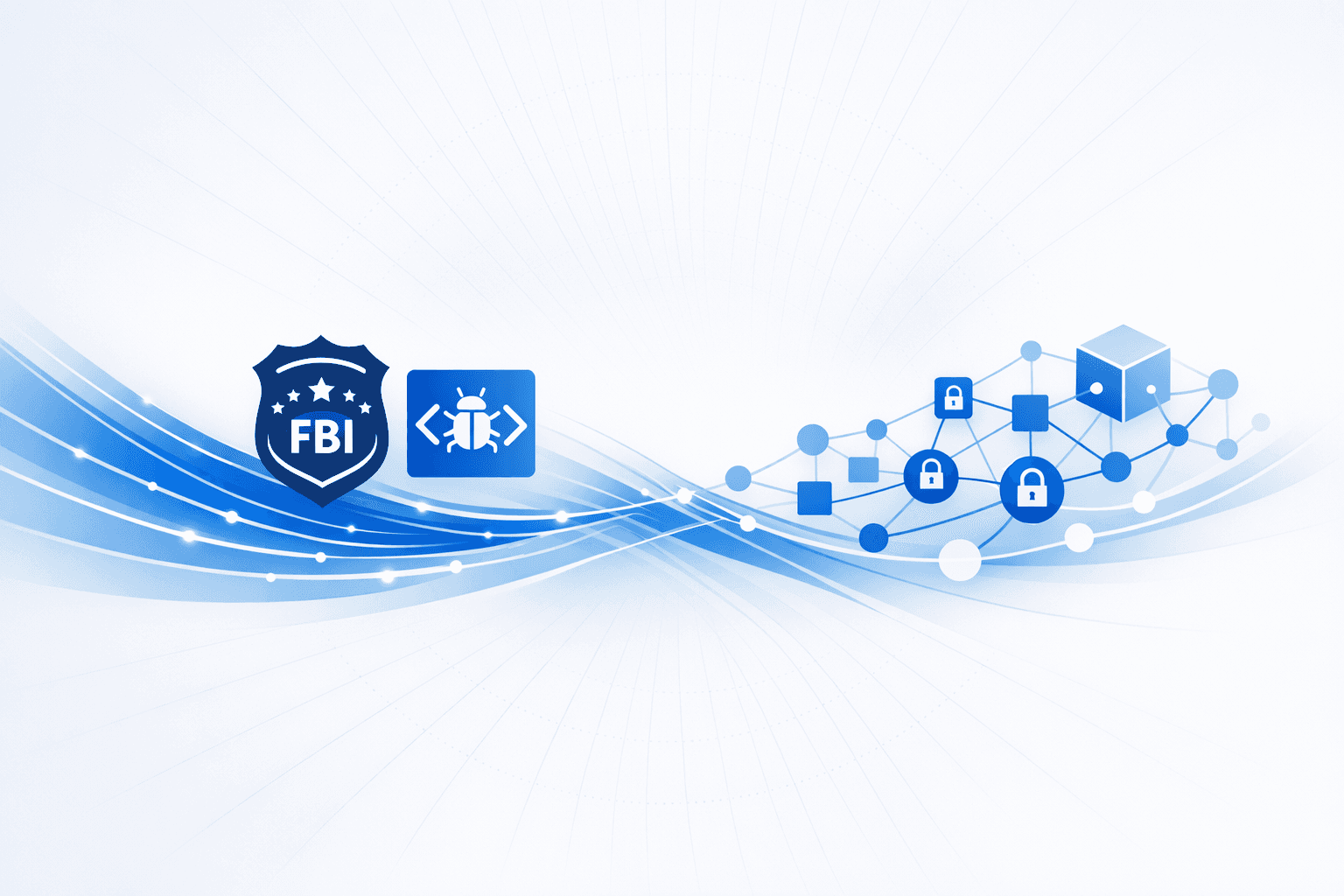
The FBI issued a FLASH warning that TeamPCP is carrying out large-scale software supply chain compromises by trojanizing trusted developer and security tools, including Trivy, KICS, LiteLLM, and the Telnyx Python SDK. The campaign is designed to infiltrate CI/CD pipelines, cloud infrastructure, and security workflows, then steal high-value secrets such as cloud access tokens, API keys, SSH keys, and Kubernetes secrets. Reporting tied to the alert describes TeamPCP as a financially motivated group whose operations show persistence and scale more commonly associated with advanced threat actors.

Authorities and researchers said the activity is linked to malware families including CanisterWorm, SANDCLOCK, Mini Shai-Hulud, and Miasma, which were used to establish persistence, exfiltrate credentials, and spread access into downstream victim environments. The FBI said the group has also engaged in extortion, published victim names on a leak site, and collaborated with other threat actors, raising the risk that stolen credentials will be reused long after the initial compromise. Defenders were urged to rotate exposed secrets, pin GitHub Actions to verified commit SHAs, hunt for worm-created repositories, harden CI/CD environments, and review published indicators such as domains, IP addresses, hashes, and related CVEs.

Why it matters

Impact assessment

TeamPCP presents a high-severity supply-chain and downstream extortion risk for organizations that use affected developer, security, AI, and automation tooling in CI/CD and cloud workflows. The primary impact is credential theft from non-human identities, which can enable delayed cloud compromise, source-code access, package tampering, data theft, and later ransomware or leak-site extortion.

Affected populations

  • Organizations using Trivy, Checkmarx KICS, LiteLLM, or the Telnyx Python SDK during the affected 2026 windows
  • Enterprises with CI/CD pipelines, GitHub Actions, package publishing workflows, cloud deployment automation, and Kubernetes environments
  • Developer, DevSecOps, platform engineering, and cloud security teams
  • Downstream customers of compromised build and release environments

Severity and business impact

  • High risk of long-lived credential exposure affecting cloud tokens, API keys, SSH keys, Kubernetes secrets, GitHub/GitLab tokens, and publishing credentials
  • Potential for operational disruption through ransomware deployment, extortion, package poisoning, and destructive Kubernetes activity
  • Financial and reputational impact from source-code theft, leak-site publication, incident response costs, and downstream customer trust erosion
  • Exposure can persist after malicious packages are removed because stolen credentials remain reusable until rotated

Scope and exploitation status

  • Scope is broad because the compromised tools are widely used in enterprise build, scanning, and deployment workflows
  • The campaign is not theoretical; the FBI issued FLASH-20260702-01 and public reporting states at least one verified VECT ransomware deployment used TeamPCP-sourced credentials
  • Reporting also ties the activity to unauthorized downstream GitHub access, dark-web publication, victim naming on leak sites, and extortion behavior
  • Exposure windows for some poisoned packages were short, but execution in privileged CI/CD contexts creates durable downstream risk
Does this reach your builds?Trace attribution and downstream blast radius.
Trace the chain
Event timeline

How this story unfolded

Events from the most recent confirmed update back to the earliest known activity.

5 events · Mar 28, 2026 – Jul 7, 2026
  1. Jul 7, 20265mo ago

    Sophos links VECT ransomware deployment to TeamPCP-stolen credentials

    Sophos confirmed at least one VECT ransomware deployment that used credentials sourced from TeamPCP's software supply-chain compromises. The report tied TeamPCP's credential-theft activity to VECT's victim selection and ransomware operations.

    VECT and TeamPCP Reverse Ransomware Kill Chain With Supply Chain Credential Theft
  2. Jul 6, 20265mo ago

    Maritime phishing campaign activity traced to April 2026

    VMRay researchers traced a phishing and business-email-compromise-style campaign targeting the maritime shipping sector back to April 2026. The activity used RedLine and Formbook-linked infrastructure, fraudulent lookalike domains, and fake supplier personas to target organizations including Kangrim Heavy Industries.

    RedLine C2 Pivot Reveals Seven Fraudulent Domains Used in Maritime Phishing Attacks
  3. Jul 4, 20265mo ago

    TeamPCP conducts large-scale supply chain compromises

    TeamPCP carried out a campaign that trojanized legitimate developer and security packages, including Trivy, KICS, LiteLLM, and the Telnyx Python SDK, to steal credentials and gain downstream access. The activity targeted CI/CD pipelines, cloud infrastructure, and security workflows, and was associated with malware families including CanisterWorm, SANDCLOCK, Mini Shai-Hulud, and Miasma.

    Ic3 Alerts
  4. Jul 2, 20265mo ago

    FBI issues FLASH warning on TeamPCP

    On 2026-07-02, the FBI issued a FLASH advisory warning that TeamPCP was conducting large-scale software supply chain compromises. The notice described credential theft, persistence, extortion activity, leak-site publication of victim names, and provided indicators and mitigation guidance.

    Ic3 Alerts
  5. Mar 28, 20268mo ago

    TeamPCP campaign pauses new compromises and shifts toward monetization

    In the 48 hours after the Telnyx PyPI disclosure on 2026-03-27, no new package compromises were confirmed for the first time since operations began on March 19. The update assessed that TeamPCP was likely shifting from rapid supply-chain expansion to monetizing previously harvested credentials, while noting no additional named victims were disclosed.

    TeamPCP Supply Chain Campaign: Update 003 - Operational Tempo Shift as Campaign Enters Monetization Phase With No New Compromises in 48 Hours
Linked entities

Related entities

Vulnerabilities, threat actors, malware, products, organizations, breaches, and observables Mallory has linked to this story. Indicator values are masked here and available in full in the app.

Open in app →

Threat actors

1 linked

Affected products

3 linked
LitellmTrivyTelnyx

Organizations

4 linked
CheckmarxAqua SecurityBerriAITelnyx

Observables

62 linked

Indicator values are masked on this page. View all 62 in Mallory Domains, IPs, hashes, and URLs are exportable to your SIEM.

Do you run this?See attribution and downstream blast radius, and whether this package or vendor reaches your builds.
Trace the Supply Chain
Mallory platform

See the full picture, correlated to your attack surface.

This page covers what’s public. Mallory adds the parts that aren’t: which of your assets are affected, which threat actors are using it right now, and what to deploy next.

Exposure mappingMap indicators from this story to your assets and identify affected systems in minutes.
Threat actor evidenceEvery observed campaign, victim, and pivot linked to actors named in this story.
Associated malwareMalware, exploits, and IOCs connected to the activity described here.
Detection signaturesYARA, Sigma, and Snort rules deployed to your SIEM as soon as they’re published.
Scheduled alertsGet matching new stories delivered to your team as they break, not the next morning.
AI threadsAsk questions about this story and take action on the answers.