TeamPCP Supply-Chain Attacks Poisoned Trivy, KICS, LiteLLM, Telnyx, and Bitwarden
Supply Chain Risk · 18 sources · Updated 5mo ago · First seen Apr 11, 2026
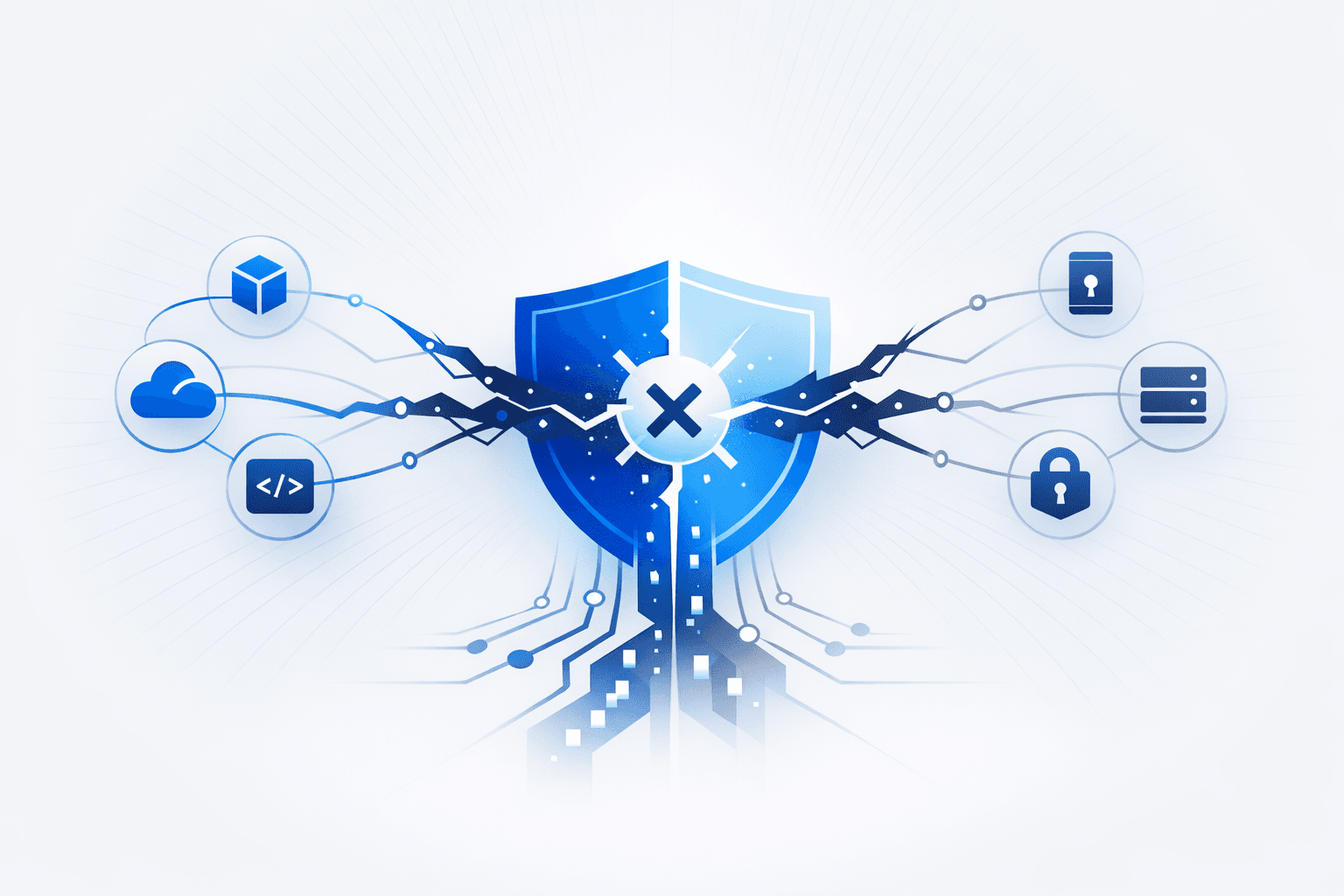
A broad software supply-chain campaign attributed to TeamPCP compromised trusted developer and security tools, beginning with a poisoned Trivy GitHub Action after attackers allegedly stole a personal access token via a misconfigured pull_request_target workflow. Researchers said malicious commits were pushed to most Trivy action tags, allowing the attackers to steal CI/CD secrets, cloud credentials, SSH keys, Kubernetes configuration, and other sensitive data from downstream users. The campaign then spread through stolen credentials to additional projects, including Checkmarx KICS, LiteLLM versions 1.82.7 and 1.82.8 on PyPI, the Telnyx SDK, and later Bitwarden CLI, with malware exfiltrating data to attacker-controlled infrastructure such as checkmarx[.]zone and models[.]litellm[.]cloud. Reporting also tied the operation to hundreds of compromised systems and large-scale theft of .env files and secrets from cloud, AI, payment, database, and messaging environments.
The fallout expanded beyond package poisoning into downstream intrusions and data leaks. Checkmarx confirmed that data later leaked by LAPSUS$ came from its private GitHub repository and said the initial access was likely enabled by credentials exposed in the Trivy-related compromise; researchers also linked the broader campaign to Bitwarden through shared malware and command-and-control patterns. Malicious KICS Docker images, GitHub Actions, and editor extensions were reported to steal credentials and scan results, while Bitwarden’s CI/CD workflow was allegedly abused to expose an npm token and publish a tainted @bitwarden/cli release. Security researchers and vendors warned that the campaign shows how attackers are increasingly targeting open-source maintainers and security tooling as high-leverage entry points, with reported ties to extortion and ransomware groups including LAPSUS$ and Vect raising the risk that stolen access will be resold or used for follow-on attacks.
Why it matters
Impact assessment
TeamPCP’s campaign affects organizations that use compromised developer and security tooling in CI/CD, cloud, and developer workstation environments, especially users of Trivy, Checkmarx KICS/AST components, LiteLLM, the Telnyx Python SDK, and Bitwarden CLI. Impact is severe because the poisoned components executed with trusted permissions and enabled theft of CI/CD secrets, cloud credentials, SSH keys, Kubernetes tokens, npm/PyPI publishing tokens, and source code, with downstream extortion and follow-on compromise already reported.
The scope is broad rather than narrowly targeted. Reporting ties the campaign to more than 10,000 potentially exposed CI/CD pipelines, more than 1,000 compromised SaaS environments, hundreds to tens of thousands of compromised systems in related activity, and confirmed downstream incidents involving Checkmarx, Bitwarden, Mercor, and GitHub internal repositories. Exploitation in the wild is confirmed by the FBI FLASH alert, CISA KEV inclusion for CVE-2026-33634, and multiple observed malicious package and tag releases.
Affected entities and products
- Trivy, including trivy-action, setup-trivy, and related binaries/images
- Checkmarx KICS, kics-github-action, ast-github-action, Docker images, VS Code/Open VSX extensions
- LiteLLM PyPI package versions 1.82.7 and 1.82.8
- Telnyx Python SDK
- Bitwarden CLI npm package @bitwarden/cli version 2026.4.0
- GitHub internal source control, with approximately 3,800 internal repositories reportedly exfiltrated
Business and operational consequences
- Credential theft from CI/CD and cloud environments
- Exposure of source code, secrets, employee data, scan results, and configuration files
- Risk of downstream package poisoning through stolen npm/PyPI publishing tokens
- Potential ransomware and extortion follow-on activity through TeamPCP ties to Vect and LAPSUS$
- Reputational damage for vendors whose trusted tooling was abused as a malware delivery path
Confirmed incidents and exposure indicators
- FBI attributed the campaign to TeamPCP on July 2, 2026
- CISA added CVE-2026-33634 to KEV, confirming active exploitation
- Checkmarx confirmed leaked data originated from its GitHub repository
- Bitwarden CLI compromise was linked through shared malware/C2 patterns
- Mercor reportedly confirmed a 4 TB breach tied to the LiteLLM compromise
- GitHub confirmed an internal source control breach via a poisoned VS Code extension