TeamPCP Compromised Trivy and Turned CI/CD Pipelines Into Credential Theft Channels
Supply Chain Risk · 117 sources · Updated 4mo ago · First seen Mar 20, 2026
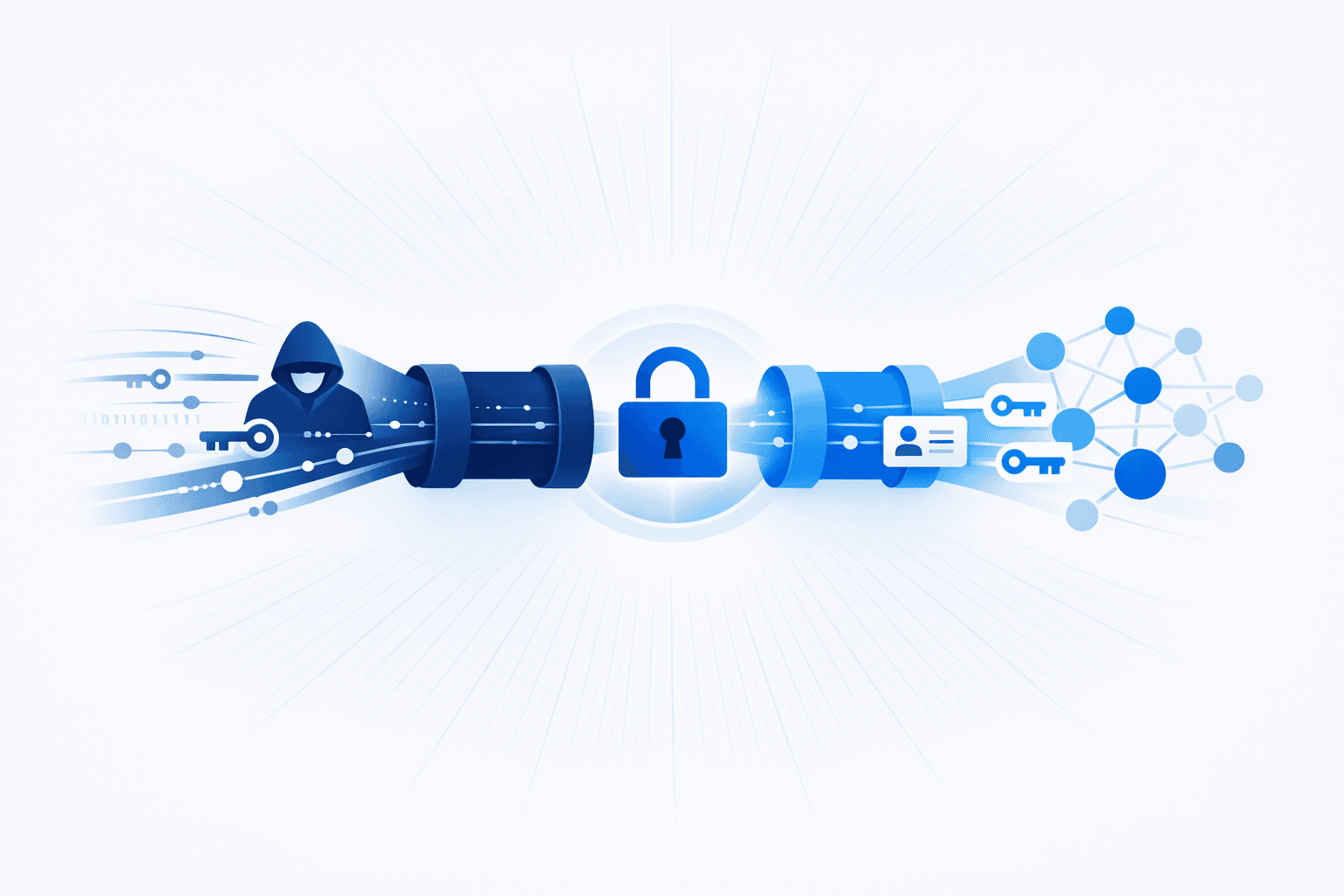
A supply-chain attack against Aqua Security’s Trivy ecosystem let attackers publish malicious artifacts and hijack GitHub Action tags, turning a widely used security scanner into a credential stealer. Reporting indicates the intrusion began with abuse of a misconfigured GitHub Actions workflow and theft of privileged credentials, followed by incomplete containment that left residual access in place. Attackers then poisoned aquasecurity/trivy-action by force-updating 75 of 76 tags, compromised setup-trivy, and published a backdoored Trivy v0.69.4 release; later activity also pushed malicious Docker Hub images 0.69.5 and 0.69.6. The malware harvested GitHub tokens, cloud credentials, SSH keys, Kubernetes secrets, Docker configs, and other CI/CD data from runners and developer environments, encrypted the loot, and exfiltrated it to attacker-controlled infrastructure or fallback GitHub repositories such as tpcp-docs.
Researchers and vendor advisories linked the campaign to TeamPCP and described it as an expanding, multi-stage operation that also included a brief OpenVSX compromise of the Trivy VS Code extension, defacement of 44 repositories in Aqua Security’s internal aquasec-com GitHub organization, and follow-on compromises affecting Checkmarx tooling and the LiteLLM PyPI package. Aqua removed malicious artifacts, revoked tokens, restored safe references, and said commercial products were not affected, while GitHub and public advisories identified safe versions including Trivy 0.69.2/0.69.3, trivy-action 0.35.0, and setup-trivy 0.2.6. U.S. CISA added CVE-2026-33634 to the KEV catalog, and incident responders warned organizations that ran affected versions to assume full pipeline compromise, rotate all accessible secrets, audit workflow logs and GitHub activity, and pin GitHub Actions to immutable commit SHAs.
Why it matters
Impact assessment
This incident affects organizations that used Aqua Security’s open-source Trivy ecosystem in CI/CD and developer workflows, especially aquasecurity/trivy-action, aquasecurity/setup-trivy, Trivy v0.69.4, and Docker Hub images 0.69.5 and 0.69.6. Impact is severe because the malicious artifacts stole GitHub tokens, cloud credentials, SSH keys, Kubernetes secrets, Docker credentials, database secrets, and other runner-accessible data, enabling downstream cloud compromise, source code theft, and extortion.
The exposure is widespread rather than narrowly targeted because Trivy is broadly embedded in GitHub Actions and cloud-native pipelines. Exploitation in the wild is confirmed: CISA added CVE-2026-33634 to KEV, and reporting ties the compromise to downstream incidents affecting organizations including the European Commission, Sportradar, Cisco, ownCloud, and Mercor, with responders warning to assume full pipeline compromise if affected versions ran.
Supporting details
- Affected products:
- aquasecurity/trivy-action versions 0.0.1 through 0.34.2 were poisoned; 0.35.0 is the only clean tag identified.
- aquasecurity/setup-trivy versions before 0.2.6 were affected.
- Trivy binary v0.69.4 was backdoored.
- Docker Hub images aquasec/trivy:0.69.5 and 0.69.6 were malicious.
- Affected populations:
- DevSecOps teams, software engineering organizations, cloud-native operators, GitHub Actions users, and any enterprise embedding Trivy in CI/CD.
- Both GitHub-hosted and self-hosted runners were targeted.
- Severity and business impact:
- Credential theft from CI/CD can lead to source code theft, cloud account takeover, secrets exposure, malicious package publication, operational disruption, and extortion.
- Aqua stated commercial products were not affected due to isolation from the compromised open-source environment.
- Scope indicators:
- More than 10,000 workflow files reportedly referenced trivy-action.
- GitGuardian identified 474 public repositories that executed a malicious trivy-action version during the compromise window; this is a lower-bound estimate.
- Mandiant reported more than 1,000 impacted SaaS environments dealing with cascading effects.
- Known downstream incidents and exploitation:
- CERT-EU attributed a European Commission AWS breach to the Trivy compromise, with 340 GB exfiltrated affecting 71 clients.
- Sportradar exposure reportedly included personal data, client records, and production credentials.
- Reporting linked stolen Trivy credentials to Cisco build/development environment access and large-scale repository cloning.
- ownCloud disclosed build infrastructure impact tied to CVE-2026-33634.
- Stolen secrets were reportedly reused to compromise Checkmarx tooling and LiteLLM PyPI publishing.
- Threat actor attribution:
- Multiple sources link the campaign to TeamPCP, also tracked as PCPcat, DeadCatx3, and ShellForce.