Payroll Pirate Uses Microsoft Graph and AiTM Session Theft to Redirect Salaries
Social Engineering & Fraud · 2 sources · Updated 5mo ago · First seen Jun 15, 2026
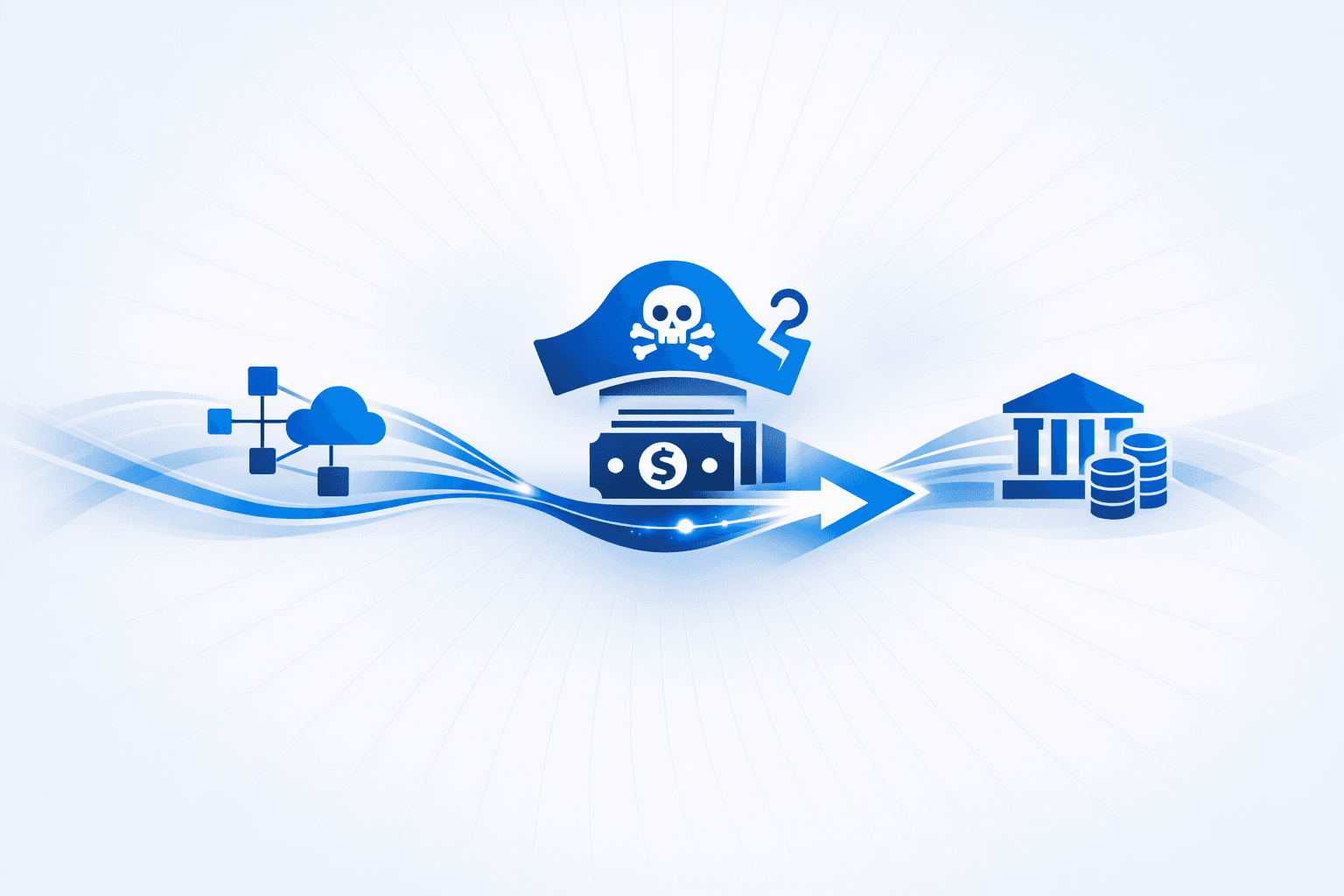
Attackers in the Payroll Pirate campaign are targeting HR, payroll, finance, and administrative staff by using adversary-in-the-middle phishing pages to steal active Microsoft 365 session tokens and take over accounts without needing passwords or defeating MFA directly. Researchers linked the activity to Microsoft-tracked clusters Storm-2755 and Storm-2657, which have targeted organizations across sectors including healthcare, manufacturing, and food services to alter direct-deposit details and reroute employee pay to attacker-controlled bank accounts.
After gaining access, the actors use Microsoft Graph API queries to enumerate directory users and identify payroll-related roles, leaving little or no endpoint evidence and shifting detection to Microsoft Entra sign-in telemetry and Graph activity logs. Investigators observed authentication traffic from U.S. mobile carrier IP ranges and follow-on directory reconnaissance from Canadian residential ISP addresses, suggesting proxy-backed operations; defenders were urged to enable Graph logging, revoke compromised sessions and tokens, tighten Conditional Access, deploy phishing-resistant MFA such as FIDO2 or Windows Hello for Business, audit OAuth consent and enterprise applications for persistence, and review payroll changes made during the compromise window.
Why it matters
Impact assessment
The campaign affects organizations using Microsoft 365 for identity and collaboration, especially HR, payroll, finance, administrative staff, and any teams able to change direct-deposit or payroll records. Impact is financially severe because attackers redirect employee salaries to attacker-controlled bank accounts, with secondary reputational and operational damage from payroll disruption and employee trust issues.
The exposure is cross-industry rather than isolated, with observed targeting in healthcare, manufacturing, and food services. There are known incidents in the wild tied to Microsoft-tracked clusters Storm-2755 and Storm-2657, and the tradecraft is difficult to detect because the actors rely on stolen cloud sessions, legitimate Microsoft Graph activity, and little to no endpoint footprint.
Supporting facts
- Targeted roles: HR, payroll, finance, administrative staff.
- Targeted platforms: Microsoft 365, Microsoft Entra, Microsoft Graph, and in some cases HR platforms such as Workday.
- Objective: redirect employee direct deposits and manipulate payroll settings for direct financial theft.
- Sectors named: healthcare, manufacturing, food services.
- Threat clusters: Storm-2755 and Storm-2657.
- Operational impact: payroll fraud, unauthorized account changes, possible business process interruption, employee support burden, and fraud recovery costs.
- Detection challenge: attackers did not deploy malware and reportedly never touched endpoints, reducing EDR visibility.