Trojanized WhatsApp and Telegram Apps Target Cryptocurrency Wallets
Emerging Technology Risk · 3 sources · Updated 5mo ago · First seen Mar 16, 2023
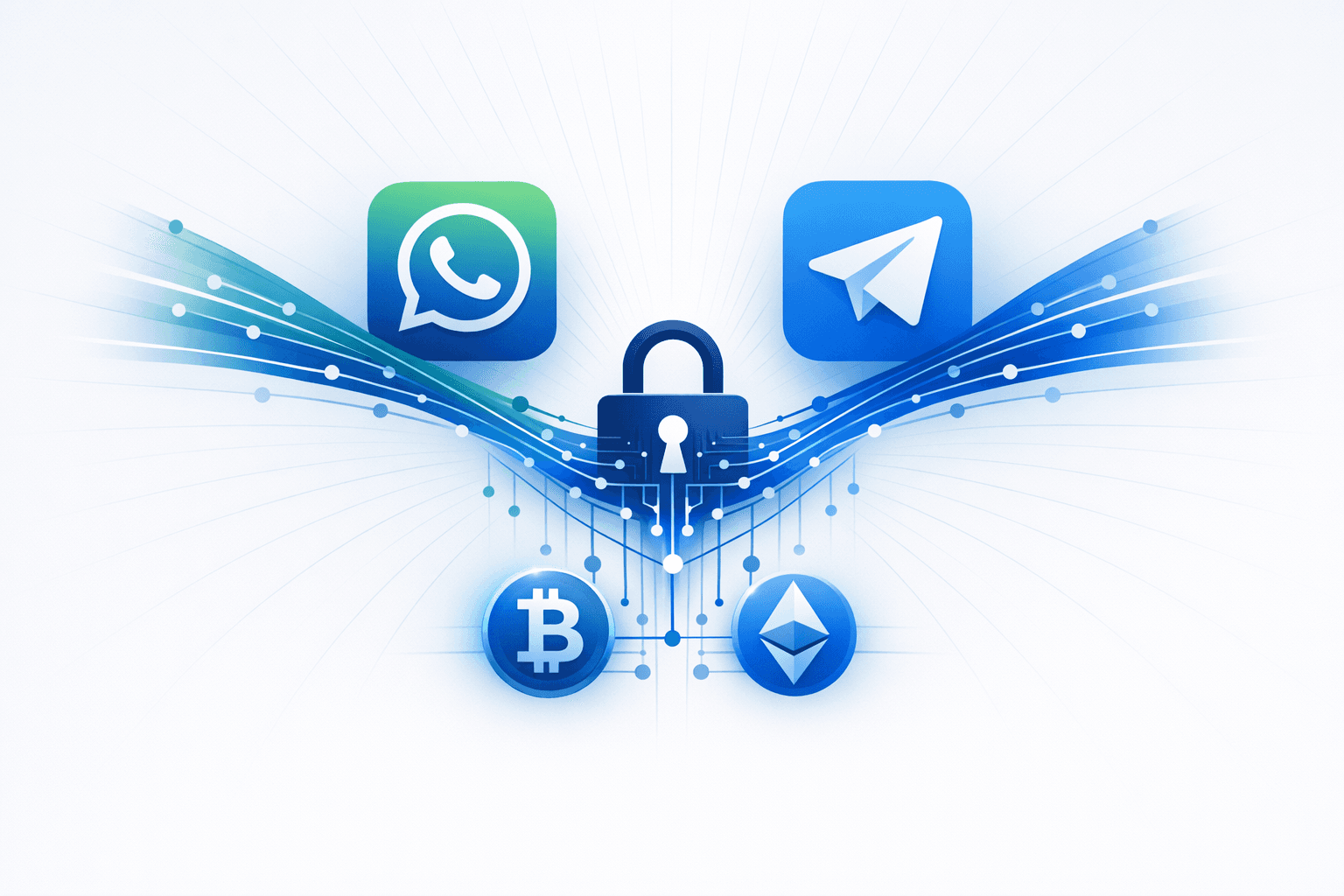
ESET researchers uncovered dozens of fake WhatsApp and Telegram websites distributing trojanized Android and Windows installers aimed largely at Chinese-speaking users trying to access blocked messaging services outside official app stores. The malicious Android apps included the first observed clipper malware embedded in instant messaging clients, replacing cryptocurrency wallet addresses in chats so funds would be redirected to attacker-controlled accounts. Some samples also used OCR to scan screenshots and photos for wallet recovery phrases, while other variants exfiltrated messages, Telegram data, device details, and files.
On Windows, the campaign delivered both Telegram clippers and bundled remote access trojans (RATs) that enabled keylogging, clipboard theft, screen capture, and file operations. Victims were lured through Google Ads, fraudulent YouTube channels, and counterfeit download pages impersonating legitimate messaging services. ESET said the operation reflects a broader cryptocurrency-theft ecosystem built around fake messaging apps and reported the malicious ads and channels to Google, which removed them.
Why it matters
Impact assessment
Trojanized WhatsApp and Telegram installers targeted Android and Windows users, primarily Chinese-speaking users obtaining blocked messaging apps from unofficial sources. The immediate impact is cryptocurrency theft through wallet-address replacement and seed-phrase harvesting, with additional risk of account compromise, message theft, and full endpoint surveillance on Windows systems.
The campaign appears broad rather than narrowly targeted, using Google Ads, fraudulent YouTube channels, and dozens of counterfeit download sites to reach victims at scale. Exploitation in the wild is confirmed by ESET’s discovery of active distribution infrastructure and live malware samples.
Affected populations
- Android and Windows users downloading Telegram or WhatsApp outside official app stores or vendor sites
- Chinese-speaking users were the primary target population
- Cryptocurrency holders using messaging apps to share wallet addresses or recovery phrases
- Organizations with bring-your-own-device or unmanaged endpoint exposure are at elevated risk if users install unofficial messaging clients
Severity and business risk
- Direct financial loss from cryptocurrency wallet-address substitution
- Theft of wallet recovery phrases can enable complete takeover of crypto assets
- Exposure of Telegram data, messages, phone numbers, usernames, pictures, and device details
- Windows RAT capability creates risk of broader credential theft, surveillance, and follow-on compromise
- Reputational and operational impact is possible if employee devices are used to access corporate chats or files
Scope and observed activity
- Dozens of fake Telegram and WhatsApp websites were used for distribution
- Hundreds of YouTube channels were observed linking to counterfeit download pages
- Google Ads were used to drive traffic to the malicious ecosystem
- ESET reported the ads and channels to Google, which removed them