Multi-Stage Agent Tesla Campaign Uses Script Loaders and Process Hollowing
Malware Intelligence · 2 sources · Updated 5mo ago · First seen Jun 12, 2026

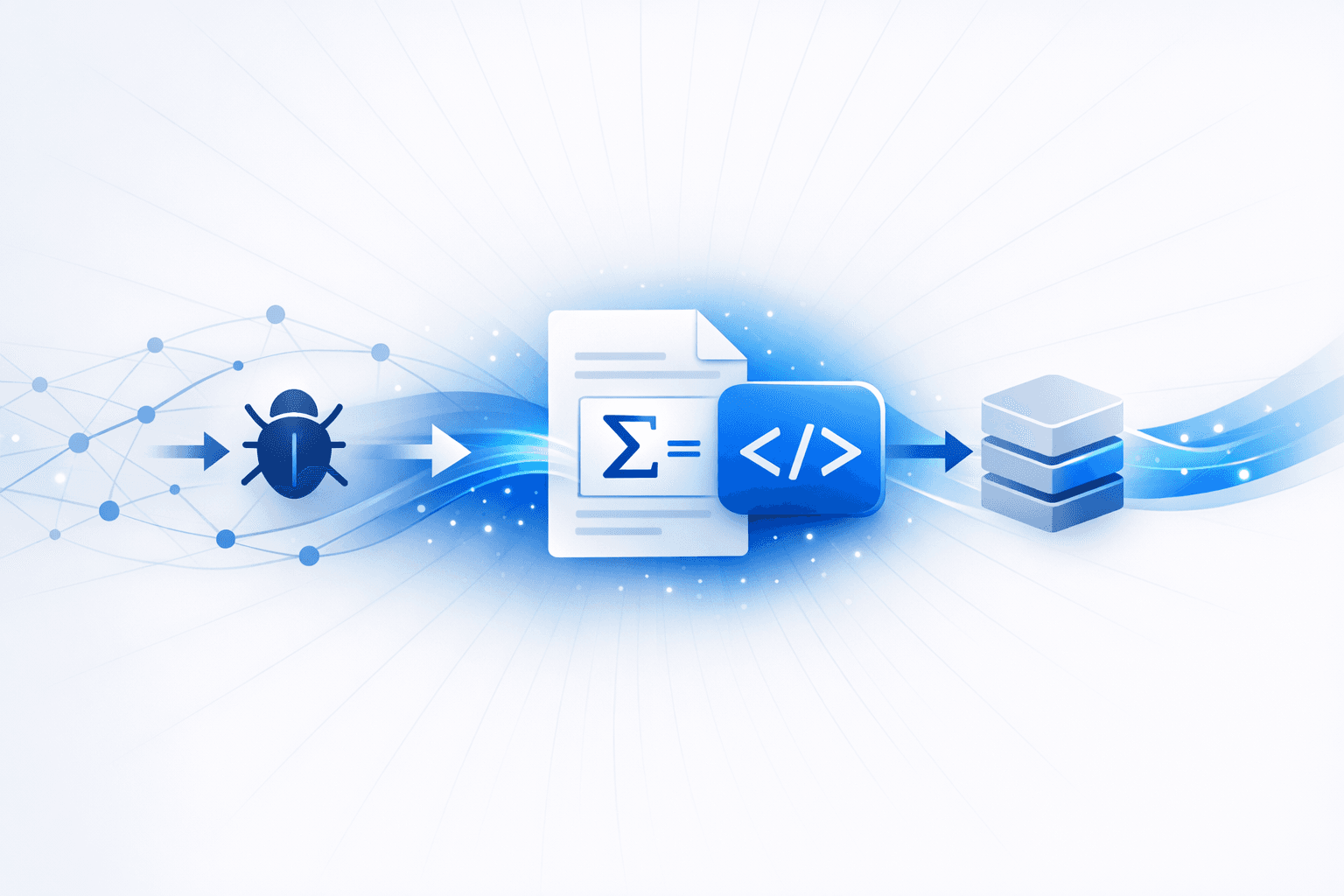
Researchers detailed a phishing-led Agent Tesla infection chain that starts with a payment-receipt-themed email attachment and escalates through multiple scripted stages to full compromise. The campaign avoids older Office exploit techniques such as CVE-2017-11882, CVE-2017-0199, and CVE-2018-0802, instead relying on heavily obfuscated Batch and PowerShell loaders to launch payloads in memory, execute hidden scripts, and establish persistence while reducing visibility to traditional defenses.
The final VB.NET payload uses anti-debugging, anti-sandbox, and anti-VM checks before performing process hollowing into legitimate Windows binaries such as charmap.exe. Once active, Agent Tesla steals browser credentials, cookies, autofill data, keystrokes, and screenshots, then exfiltrates the data over channels including SMTP, FTP, and Telegram bots, highlighting the threat posed by fileless execution and in-memory process injection in commodity malware campaigns.
Why it matters
Impact assessment
This campaign affects organizations with Windows endpoints and email-exposed users, especially environments where users routinely open archived attachments tied to invoices or payment receipts. The impact is high at the endpoint level because Agent Tesla can steal credentials, session cookies, autofill data, keystrokes, and screenshots, enabling account takeover, follow-on intrusion, and data leakage.
The exposure is broad rather than narrowly targeted because Agent Tesla is commodity malware delivered through common phishing themes and living-off-the-land script execution. The story describes observed campaign activity in the wild, with a mature multi-stage infection chain designed to evade legacy antivirus and basic email filtering.
Supporting facts
- Affected platforms: Windows endpoints.
- Initial access: phishing email using a payment-receipt-themed lure.
- User population at risk: users who receive and open archived email attachments.
- Data at risk: browser credentials, cookies, saved autofill data, keystrokes, screenshots.
- Business impact: credential theft, session hijacking, unauthorized access, potential financial fraud, and reputational damage from compromised accounts.
- Operational impact: stealthy in-memory execution and process hollowing reduce defender visibility and can delay containment.
- Scope: likely widespread/opportunistic due to commodity malware delivery patterns.
- Exploitation status: yes, the report describes an active observed campaign.