Mini Shai-Hulud Supply-Chain Attack Compromised npm, PyPI, and Composer Packages
Supply Chain Risk · 4 sources · Updated 5mo ago · First seen May 1, 2026
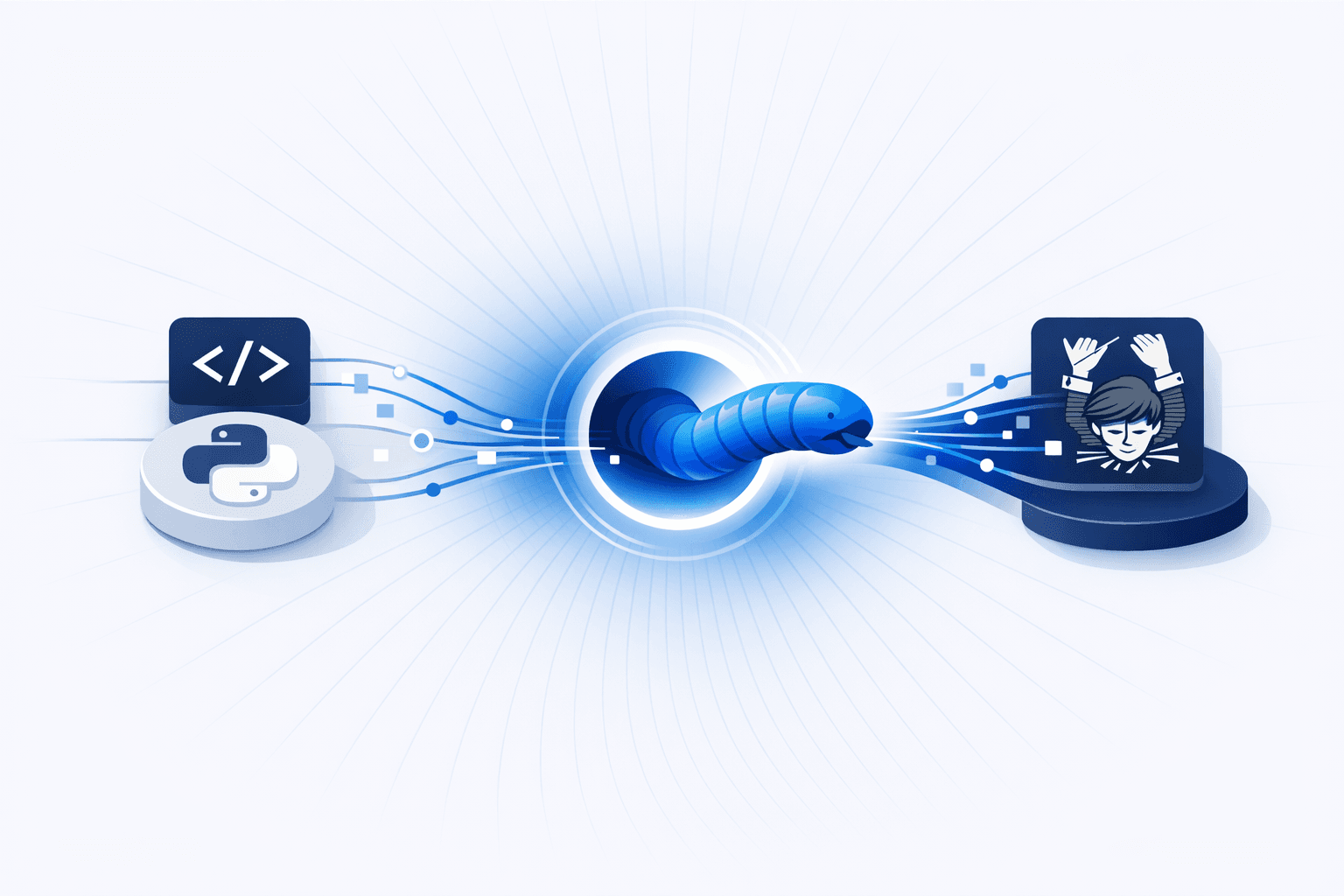
Researchers reported that the Mini Shai-Hulud campaign compromised widely used developer packages across npm, PyPI, and Packagist/Composer, including SAP CAP components, intercom-client, intercom/intercom-php, and PyTorch Lightning’s lightning package. The malicious releases delivered an obfuscated credential stealer executed with the Bun runtime, harvesting secrets from developer workstations and CI/CD environments, including GitHub, npm, cloud, Kubernetes, and AI tooling credentials. Stolen data was encrypted and exfiltrated through attacker-created public GitHub repositories, and the campaign was linked by multiple researchers to TeamPCP. Reports estimated exposure ranging from more than 1,000 to roughly 1,800 repositories, with no CVE, GHSA, or OSV identifiers assigned at disclosure.
Investigators said the attackers abused software publishing workflows rather than relying solely on direct maintainer compromise, including a stolen npm token tied to SAP’s cloudmtabot account, an exposed token in CircleCI pull-request builds, and overly broad GitHub and npm OIDC trusted publishing policies. The malware propagated by using stolen npm tokens to publish infected patch versions of additional packages and established persistence through developer tooling by planting .vscode/tasks.json entries with "runOn": "folderOpen" and .claude/settings.json SessionStart hooks, a technique compared to the earlier PolinRider/TasksJacker tradecraft. Maintainers released cleaned package versions, while defenders were urged to rotate credentials, review GitHub, npm, and cloud activity, harden OIDC publishing rules, pin dependencies, and hunt repositories for unauthorized folderOpen tasks and Claude hooks.
Why it matters
Impact assessment
Mini Shai-Hulud is a high-severity multi-ecosystem software supply-chain incident affecting developer workstations, CI/CD pipelines, and organizations consuming packages from npm, PyPI, and Packagist/Composer. Impact includes credential theft, unauthorized package publication, repository tampering, cloud-account exposure, and persistent reinfection through developer tooling, with confirmed malicious releases in widely used packages totaling more than 930,000 weekly downloads.
Affected scope
- Affected ecosystems: npm, PyPI, Packagist/Composer
- Affected user populations: software developers, DevOps teams, CI/CD operators, maintainers, and downstream package consumers
- Affected industries: broad cross-sector exposure; especially enterprises using SAP CAP, Intercom SDKs, and PyTorch Lightning
- Estimated exposure: more than 1,000 to roughly 1,800 repositories with stolen credentials
- Download exposure: compromised packages exceeded 930,000 combined weekly downloads
Severity and business impact
- Credential theft targeted GitHub, npm, cloud, Kubernetes, SSH, and AI tooling secrets
- Operational disruption risk is high because the malware could publish additional malicious package versions and modify repositories automatically
- Financial and reputational impact is significant for maintainers and enterprises due to account takeover, package trust erosion, and possible downstream compromise
- Persistence via
.vscode/tasks.jsonand.claude/settings.jsonmeans compromise can survive package cleanup and reinfect developer environments
Exploitation status
- Exploitation in the wild is confirmed
- Campaign window: April 29-30, 2026
- Multiple researchers linked the activity to TeamPCP
- Maintainers released cleaned versions, but exposed credentials and modified repositories remain a post-remediation risk