Mallory
← Back to News
package-repository-poisoningcredential-stealer-activitybuild-pipeline-compromiseextension-plugin-hijack

Mini Shai-Hulud Compromised Hundreds of npm Packages via Stolen Maintainer Tokens

Supply Chain Risk · 12 sources · Updated 5mo ago · First seen May 20, 2026
Mini Shai-Hulud Compromised Hundreds of npm Packages via Stolen Maintainer Tokens

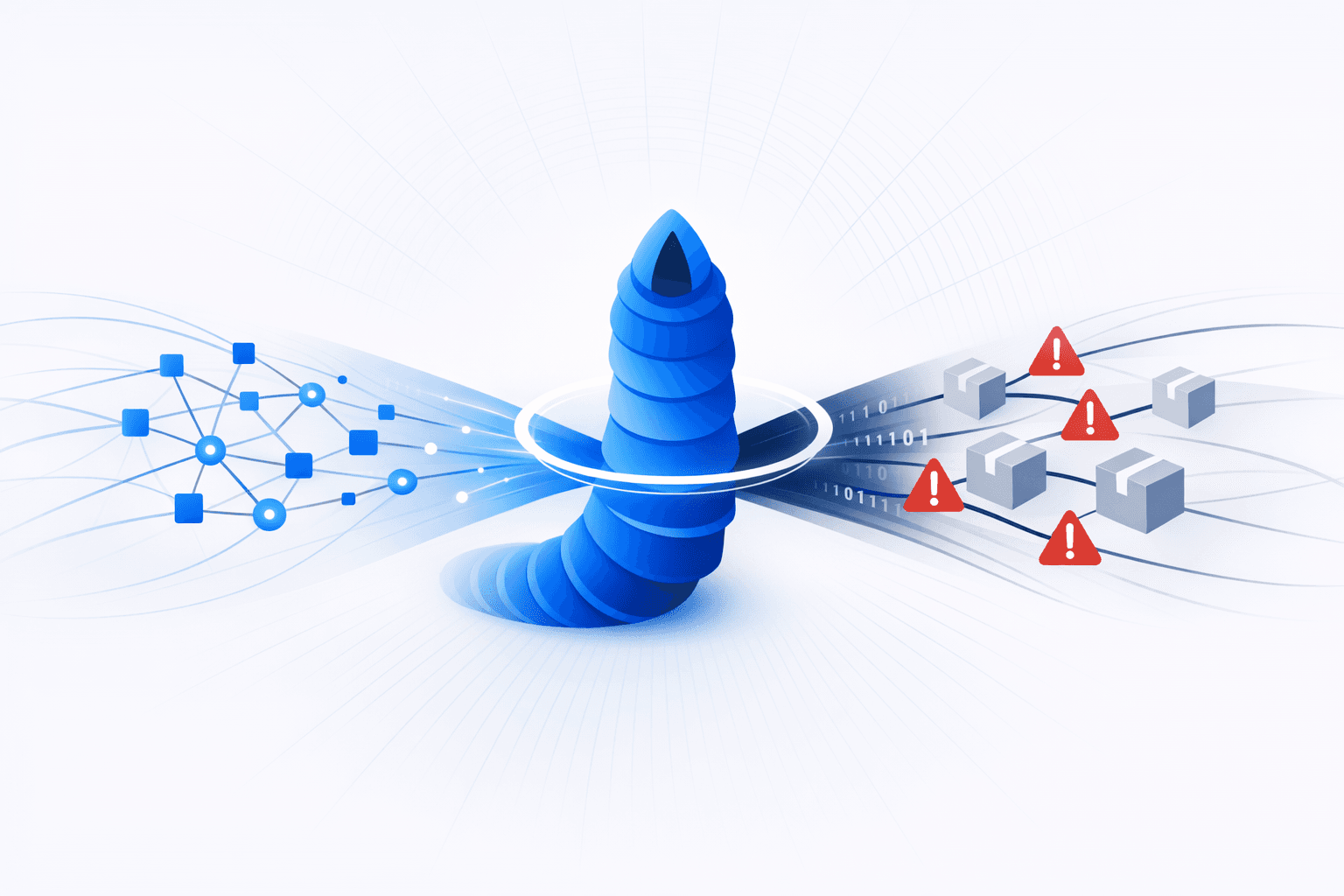
Attackers linked by multiple researchers to TeamPCP hijacked the npm maintainer account atool and used it to publish roughly 639 malicious versions across 323 packages, heavily impacting Alibaba’s @antv/* ecosystem as well as packages such as echarts-for-react, timeago.js, and size-sensor. Reports said the malware executed through malicious preinstall hooks and an obfuscated Bun-based payload, stealing secrets from developer workstations and CI/CD systems including GitHub, npm, AWS, Kubernetes, Vault, SSH, Docker, and database credentials. The campaign also abused GitHub tokens to create attacker-controlled repositories for exfiltration, scraped GitHub Actions runner memory for plaintext secrets, and in some cases targeted trusted tooling including a briefly compromised Nx Console VS Code extension.

Researchers said the operation was worm-like and self-propagating, using stolen npm tokens to tamper with and republish additional packages under legitimate maintainer identities, with the broader Mini Shai-Hulud activity now tracked across npm, PyPI, and Composer. The malware reportedly established persistence in developer environments through modified VS Code and Claude Code settings and OS-level services, while some reports warned it also attempted to forge valid Sigstore/SLSA provenance using stolen CI identities. In response, npm invalidated all write-enabled granular access tokens that bypassed two-factor authentication and introduced Staged Publishing in preview, but researchers warned that any machine or pipeline that installed affected versions should be treated as fully compromised and all reachable credentials rotated immediately.

Why it matters

Impact assessment

Mini Shai-Hulud is a high-severity software supply chain compromise affecting the JavaScript ecosystem, developer workstations, CI/CD pipelines, and downstream organizations consuming compromised npm packages. The blast radius is broad rather than narrowly targeted: attackers published roughly 639 malicious versions across 323 npm packages in the May 18-19 wave, with broader tracking showing 1,055 compromised versions across 502 packages spanning npm, PyPI, and Composer.

Summary

Organizations using affected npm packages, especially Alibaba AntV-related libraries and popular packages such as echarts-for-react, timeago.js, size-sensor, and canvas-nest.js, face credential theft, CI/CD compromise, malicious republishing of their own packages, and persistence on developer endpoints. Any machine or pipeline that installed an affected version should be treated as fully compromised because the malware executed at install time, stole secrets, and could persist after package removal.

Affected populations and products

  • npm ecosystem consumers, especially projects depending on:
    • @antv/* packages
    • echarts-for-react
    • timeago.js
    • size-sensor
    • canvas-nest.js
    • packages under @lint-md, @openclaw-cn, and @starmind
  • Developer workstations running npm install
  • CI/CD environments, especially GitHub Actions runners
  • Organizations using trusted developer tooling including Nx Console VS Code extension
  • Industries with heavy use of JavaScript visualization, dashboards, front-end apps, and cloud-native CI/CD pipelines

Severity and business impact

  • Credential theft risk includes GitHub, npm, AWS, Kubernetes, Vault, SSH, Docker, database, and other deployment secrets
  • Operational disruption risk includes poisoned builds, compromised release pipelines, malicious package republishes, and persistence on endpoints
  • Financial and reputational risk is high because compromised maintainer identities can be abused to publish malicious versions under legitimate package names
  • Downstream exposure is amplified by package popularity:
    • echarts-for-react: about 1.1 million weekly downloads
    • @tanstack/react-router in related activity: about 12 million weekly downloads
    • Nx Console: about 2.2 million installs

Scope and exploitation status

  • Exploitation in the wild is confirmed
  • The campaign is active and self-propagating through stolen npm tokens and CI/CD identities
  • GitHub disclosed roughly 3,800 internal repositories were exfiltrated during the broader campaign
  • Researchers observed thousands of attacker-created GitHub repositories used for exfiltration staging
  • npm took ecosystem-wide action by invalidating write-enabled granular access tokens that bypassed 2FA on 2026-05-19
Does this reach your builds?Trace attribution and downstream blast radius.
Trace the chain
Event timeline

How this story unfolded

Events from the most recent confirmed update back to the earliest known activity.

8 events · May 11, 2026 – May 20, 2026
  1. May 20, 20266mo ago

    Compromised Nx Console VS Code extension is live for 11 minutes

    Researchers reported that a malicious Nx Console VS Code extension was available briefly and sought GitHub, AWS, Kubernetes, Vault, and Claude Code credentials while attempting persistence and provenance forgery. SC Media states the extension was live for 11 minutes during the campaign.

    New Mini Shai-Hulud attack targets npm ecosystem | news | SC Media
  2. May 20, 20266mo ago

    TeamPCP's Mini Shai-Hulud campaign begins in March

    Researchers described the AntV/npm activity as the third wave of an ongoing credential-chain operation that began in March and linked it to TeamPCP. This establishes the broader Mini Shai-Hulud campaign predating the May npm wave.

    New Mini Shai-Hulud attack targets npm ecosystem | news | SC Media
  3. May 20, 20266mo ago

    npm launches Staged Publishing public preview

    npm introduced Staged Publishing in public preview, adding an MFA-approved staging step before CI-published packages become publicly installable. Reporting explicitly dates this mitigation rollout to May 20.

    npm Invalidates Granular Access Tokens as Mini Shai-Hulud Sw...
  4. May 19, 20266mo ago

    npm invalidates write-enabled granular tokens that bypass 2FA

    In response to the supply-chain attacks, npm invalidated all granular access tokens with write access that bypassed two-factor authentication. The action was explicitly reported as taking place on May 19.

    npm Invalidates Granular Access Tokens as Mini Shai-Hulud Sw...
  5. May 19, 20266mo ago

    Worm-like propagation compromises secondary packages such as @starmind/collector-cli

    After the initial atool takeover, the malware used stolen npm tokens to enumerate publishable packages, inject itself, and republish them under additional maintainer accounts. OpenSourceMalware reported @starmind/collector-cli was compromised this way, not directly through atool.

    OpenSourceMalware.com - Community Threat Intelligence
  6. May 19, 20266mo ago

    Malicious npm packages are mass-published in the AntV ecosystem

    Using the compromised maintainer account, attackers published roughly 637-639 malicious versions across 317-323 npm packages, heavily affecting Alibaba's @antv ecosystem along with packages such as echarts-for-react and timeago.js. Reports describe the burst as occurring within minutes and as part of a single overnight wave.

    600+ npm Packages Compromised in New Mini Shai-Hulud Supply Chain Attack
  7. May 18, 20266mo ago

    Attacker compromises npm maintainer account 'atool'

    The Mini Shai-Hulud npm wave was triggered by the compromise of the legitimate npm maintainer account 'atool'. Multiple reports identify this account takeover as the immediate precursor to the malicious package publishing spree.

    TeamPCP / Mini Shai-Hulud npm Campaign: 600 Packages, Confirmed Active Payload, Memory Scraping, and 2,500+ Compromised GitHub Repositories - Phoenix Security
  8. May 11, 20267mo ago

    Mini Shai-Hulud hits 42 TanStack packages

    Researchers said the broader campaign had already compromised 42 TanStack packages before the AntV wave. This earlier incident was explicitly anchored to May 11 in reporting on the later npm response.

    Mini Shai-Hulud Attack Forces npm to Reset Bypass-2FA Publishing Tokens
Linked entities

Related entities

Vulnerabilities, threat actors, malware, products, organizations, breaches, and observables Mallory has linked to this story. Indicator values are masked here and available in full in the app.

Open in app →

Threat actors

1 linked

Malware

1 linked

Affected products

1 linked
Npm

Organizations

3 linked
Alibaba GroupTeamPCPAntV

Breaches

6 linked
ANTV-2026-05NPM-2026-05ECHARTS-FOR-REACT-2026-05SIZE-SENSOR-2026-05CANVAS-NESTJS-2026-05TIMEAGOJS-2026-05

Observables

8 linked

Indicator values are masked on this page. See the values in Mallory Domains, IPs, hashes, and URLs are exportable to your SIEM.

Do you run this?See attribution and downstream blast radius, and whether this package or vendor reaches your builds.
Trace the Supply Chain
Mallory platform

See the full picture, correlated to your attack surface.

This page covers what’s public. Mallory adds the parts that aren’t: which of your assets are affected, which threat actors are using it right now, and what to deploy next.

Exposure mappingMap indicators from this story to your assets and identify affected systems in minutes.
Threat actor evidenceEvery observed campaign, victim, and pivot linked to actors named in this story.
Associated malwareMalware, exploits, and IOCs connected to the activity described here.
Detection signaturesYARA, Sigma, and Snort rules deployed to your SIEM as soon as they’re published.
Scheduled alertsGet matching new stories delivered to your team as they break, not the next morning.
AI threadsAsk questions about this story and take action on the answers.