Google Gemini Voice Assistant Exposed to Notification-Based Prompt Injection
Emerging Technology Risk · 8 sources · Updated 5mo ago · First seen Jun 3, 2026
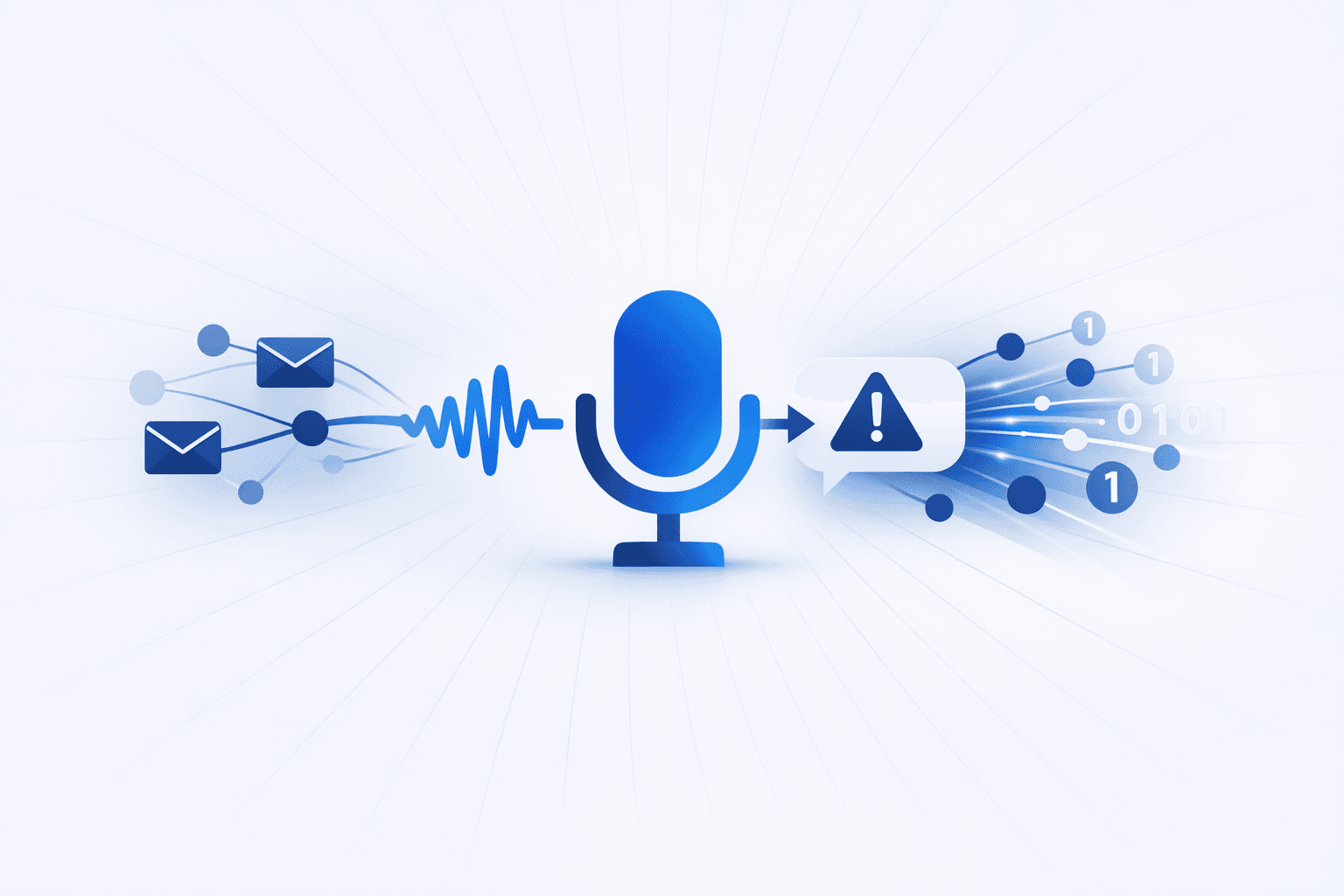
SafeBreach disclosed indirect prompt injection attacks against Google Gemini’s Android voice assistant that abuse its notification-reading capability to ingest malicious instructions from third-party apps including WhatsApp, Slack, Signal, Instagram, Messenger, and SMS. The researchers said crafted notifications can silently poison Gemini’s conversational context and manipulate responses without the user’s awareness, allowing attackers to present benign-looking content while embedding hidden or obfuscated prompts that the assistant interprets as trusted instructions.
SafeBreach said its Fake Context Alignment technique bypassed Google’s earlier mitigations by using foreign-language text, muted hyperlinks, and other concealed prompt formats to trick backend authorization logic into treating a victim’s normal reply as approval for sensitive actions. Demonstrated impacts included phishing and social engineering using trusted contact names, smart home control, URL opening, Zoom or other cross-app actions, covert camera streaming, persistent memory poisoning across Google Workspace, and recurring surveillance tasks; Google said classifier improvements deployed after the August 2025 report mitigated the indirect prompt injection and delayed tool invocation scenarios described.
Why it matters
Impact assessment
Google Gemini on Android was exposed to a notification-based indirect prompt injection issue that affected users who enabled Gemini’s Utilities/notification-reading capability. Exposure was broad in potential reach because any app or service capable of generating notifications could deliver payloads, including WhatsApp, Slack, Signal, SMS, Instagram, Messenger, and similar channels.
The demonstrated impact was high because successful exploitation could manipulate assistant output, impersonate trusted contacts, trigger cross-app actions, control smart-home devices, poison long-term memory tied to the user’s Google account, and create recurring surveillance-style tasks. SafeBreach reported no evidence of in-the-wild exploitation, and Google stated server-side mitigations were deployed in November 2025.
Affected populations and products
- Product: Google Gemini voice assistant on Android
- Feature: Gemini Android Utilities / notification-reading capability
- Affected users: Android users who granted Gemini notification access or enabled connected app utilities
- Potentially involved apps: WhatsApp, Slack, Signal, SMS, Instagram, Messenger
- Secondary exposure: Google Workspace-linked Gemini memory across phone, tablet, computer, and smart speaker sessions
Severity and business risk
- Social engineering risk: attacker-controlled notifications could be presented as if sent by trusted contacts
- Privacy risk: demonstrated scenarios included contact exfiltration, message-reading tasks, IP exposure via URL opening, and covert Zoom video streaming
- Operational risk: smart-home actions included control of windows, boilers, and lights
- Persistence risk: long-term memory poisoning and recurring scheduled tasks could survive beyond the initial interaction
- Reputational risk: enterprise use of AI assistants on managed Android devices could expose sensitive communications and undermine trust in assistant-mediated workflows
Scope and exploitation status
- Scope was potentially widespread because the delivery channel was ordinary notifications rather than malware or a malicious local app
- Attack precondition: victim had to invoke Gemini to read notifications or otherwise allow Gemini to process notification content
- SafeBreach stated no evidence of exploitation in the wild
- Google said classifier improvements mitigated the reported prompt injection and delayed tool invocation techniques after disclosure