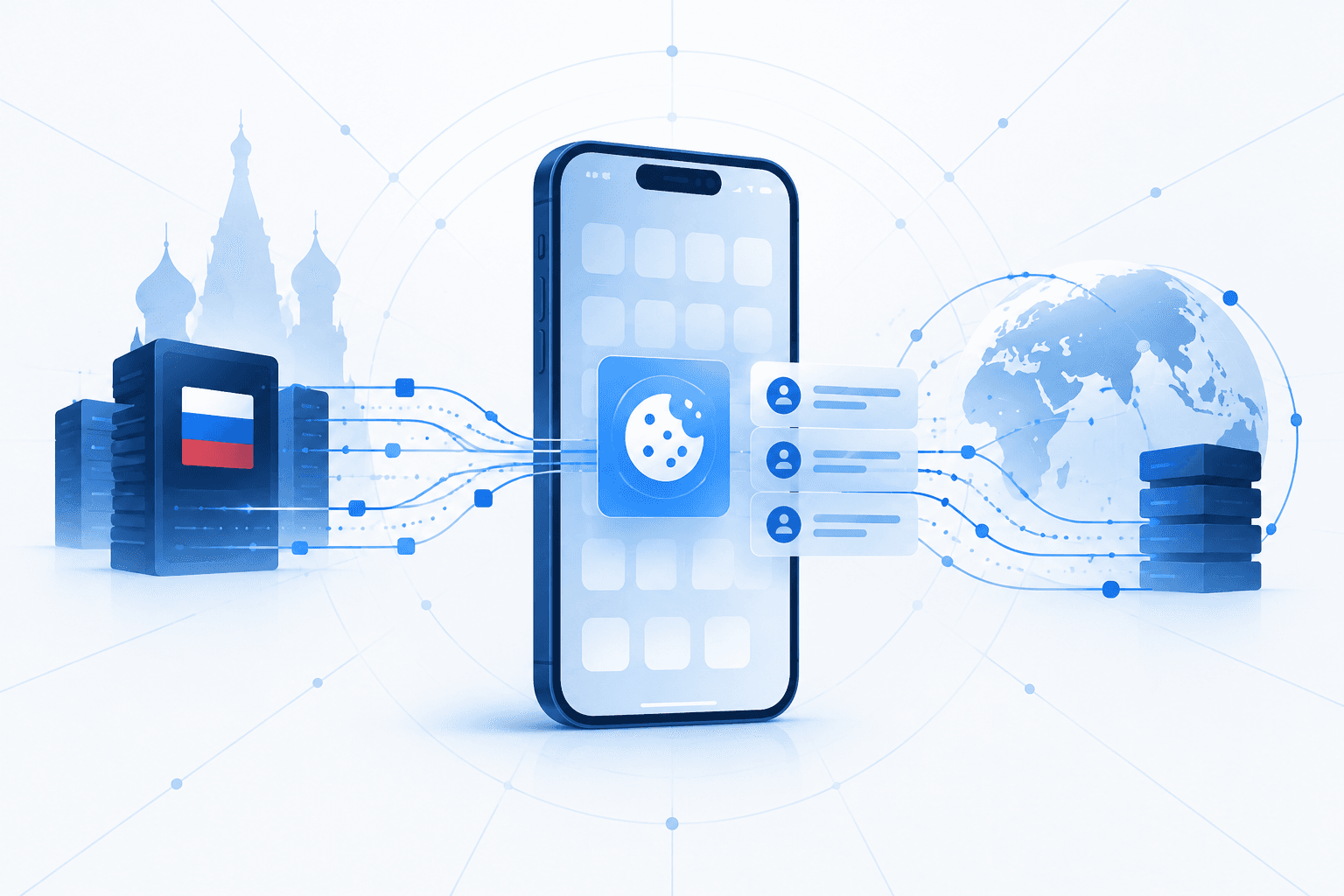
Russia Alleges Mobile Spyware Campaign Targeted Senior Officials' Phones
Threat Actor Intelligence · 7 sources · Updated 5mo ago · First seen Jun 2, 2026

Russia's Federal Security Service (FSB) said it uncovered a large-scale espionage operation in which malware was implanted on the smartphones of senior Russian government officials. According to the agency, the spyware enabled theft of correspondence, call data, geolocation, contact lists, and other stored information, while also allowing interception of conversations and covert activation of device microphones and cameras for audio and video collection.
Russian authorities said they opened a criminal investigation into illegal access to computer information and malware distribution and are conducting forensic analysis to identify the perpetrators, map the supporting infrastructure, and determine the scope of the compromise. The FSB did not publish technical evidence, name the malware, disclose victim counts, or specify the infection vector, though reporting said infrastructure linked to Cloudflare and Fastly appeared in footage released by the agency without accusing either company of direct involvement; the allegations also echo Russia's earlier claims around the Operation Triangulation iPhone spyware campaign.
Why it matters
Impact assessment
This story describes an alleged mobile espionage campaign against senior Russian government officials, but the claims are unverified because the FSB released no malware samples, forensic artifacts, victim counts, or indicators of compromise. If accurate, the impact is severe for government and diplomatic users because the reported spyware capabilities would expose communications, location, contacts, and ambient audio/video, enabling strategic intelligence collection and follow-on targeting.
Affected parties
- Primary reported targets: senior Russian government officials and high-ranking state personnel using smartphones and other mobile devices.
- Likely at-risk population if the allegations are directionally true: government, diplomatic, defense, and executive users handling sensitive information on mobile devices.
- Potentially implicated service ecosystems mentioned in reporting: infrastructure linked to Cloudflare and Fastly appeared in FSB-released footage, but neither company was accused of direct participation.
Severity and business impact
- Reported spyware capabilities would support theft of correspondence, call data, geolocation, contact lists, and stored files.
- Reported capabilities also include interception of conversations and covert activation of microphones and cameras, creating high counterintelligence and privacy risk.
- For affected organizations, likely consequences would include exposure of sensitive plans and assessments, reputational damage, and compromise of executive decision-making.
Scope and exploitation status
- The FSB characterized the operation as large-scale, but provided no victim count or independently verifiable evidence.
- Reporting describes the targeting as selective and intelligence-driven rather than indiscriminate mass exploitation.
- There is no independently confirmed evidence in this story of exploitation in the wild tied to a named malware family or actor.
- The allegations echo prior Russian claims around Operation Triangulation, a real iPhone spyware campaign documented by Kaspersky, but this new case is not technically substantiated.