DPRK Malware Campaign Uses EtherHiding to Conceal Payloads on Blockchain
Threat Actor Intelligence · 1 source · Updated 5mo ago · First seen May 25, 2026

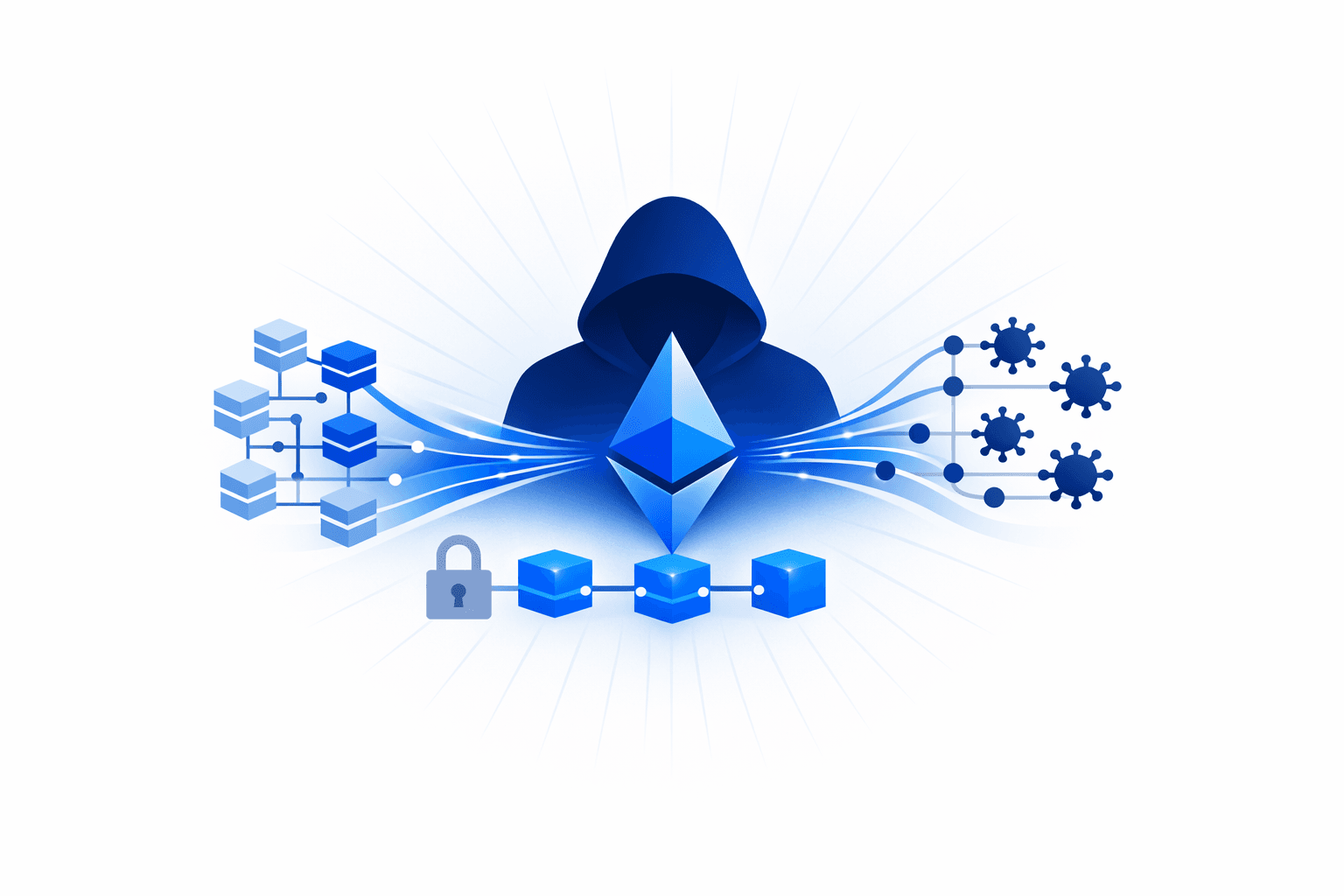
Google Cloud's Mandiant reported that North Korean operators adopted EtherHiding, a technique that abuses blockchain infrastructure to hide malicious content and stage malware delivery. The activity uses decentralized platforms to store or retrieve attacker-controlled data, complicating takedown efforts and making network-based detection harder because the infrastructure blends into legitimate blockchain traffic.
The report links the tradecraft to DPRK threat activity and highlights a broader shift toward resilient, hard-to-disrupt hosting for command-and-control or payload staging. By moving parts of the infection chain onto blockchain-backed services, the operators reduce reliance on traditional attacker domains and hosting, increasing the durability and stealth of malware campaigns targeting victims across the internet.
Why it matters
Impact assessment
This campaign primarily affects software and web developers, especially in cryptocurrency and technology sectors, across Windows, macOS, and Linux environments. The impact is high because the operation combines credential theft, cryptocurrency theft, persistent backdoor access, and potential espionage footholds inside targeted companies.
The exposure is targeted rather than indiscriminate, but the delivery methods are scalable through LinkedIn, job boards, GitHub, npm, Telegram, and Discord. Mandiant attributes the activity to DPRK operators and describes ongoing real-world exploitation through fake job offers, malicious coding tests, and fake interview software fixes.
Supporting details
- Target populations: software developers, web developers, cryptocurrency sector personnel, technology sector personnel
- Business risks: theft of cryptocurrency and financial assets, credential compromise, data exfiltration, persistent unauthorized access, follow-on lateral movement
- Strategic risks: espionage against technology firms and establishment of footholds for future operations
- Scope: targeted social engineering campaign with broad internet reach
- Operational challenge: blockchain-backed payload staging increases resilience and complicates takedown and network-based detection