China-Linked Breach Hit FBI Surveillance Network and Exposed Sensitive Case Data
Sector Threat Intelligence · 7 sources · Updated 5mo ago · First seen May 25, 2026

The FBI confirmed that suspicious cyber activity targeted one of its internal surveillance networks, and officials later classified the intrusion as a "major incident" under FISMA because of the potential national security impact. Reporting indicates the affected environment included systems tied to the FBI’s Virgin Islands operations, where attackers accessed highly sensitive law-enforcement information, including pen register and trap-and-trace returns as well as personally identifiable information connected to active investigations. The bureau said it detected unusual activity in February, informed lawmakers in early March, and publicly acknowledged that the activity had been contained while the investigation continued.
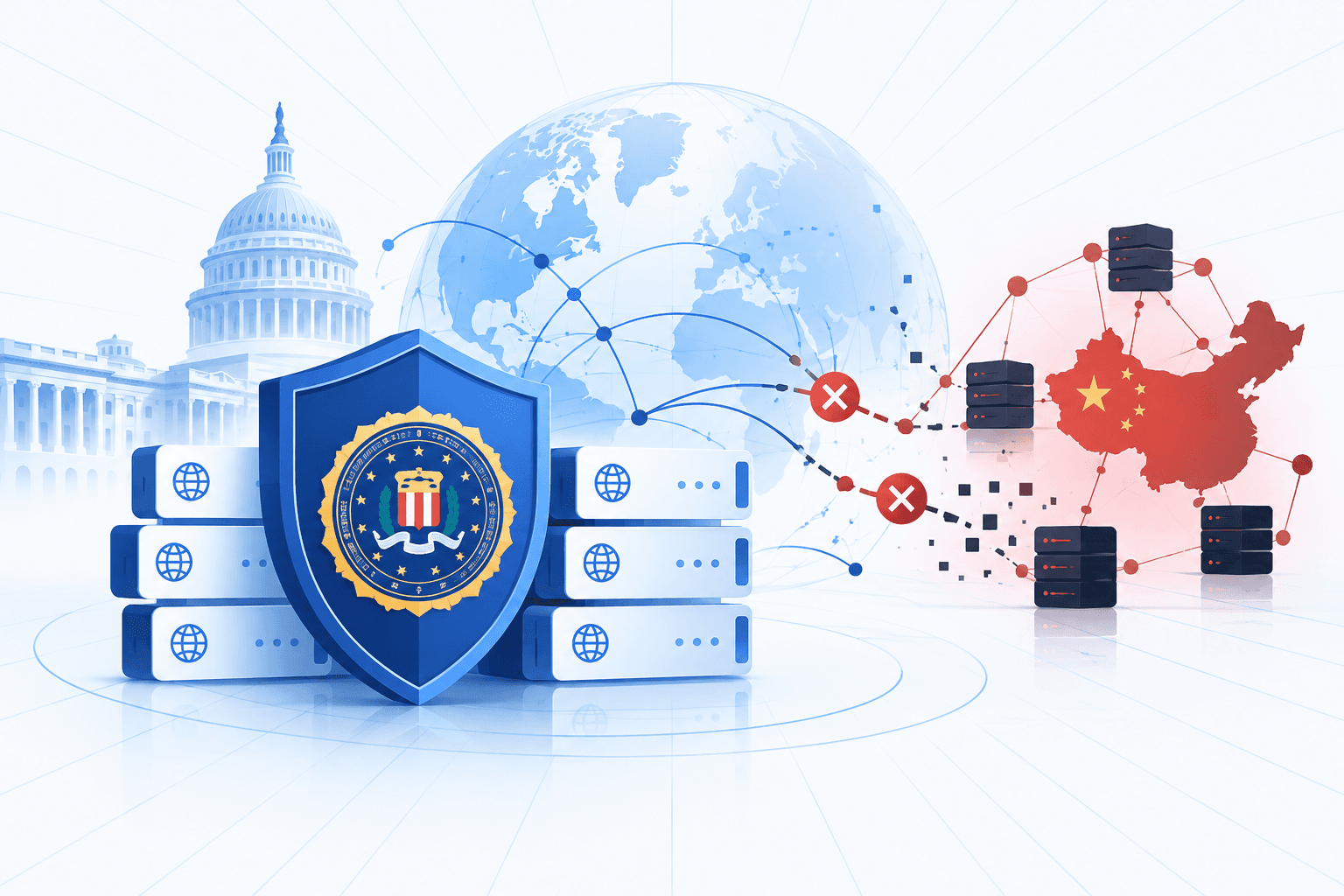
Multiple reports said investigators linked the operation to China, and that the attackers appear to have reached FBI systems through a commercial internet service provider’s vendor infrastructure rather than by directly breaching the bureau first. The incident prompted a broader U.S. government response, with the White House convening officials from the FBI, NSA, and CISA and the Justice Department establishing a working group to strengthen resilience and incident response. The breach was reported as separate from another cyber matter involving the FBI director’s personal email, underscoring that the bureau was confronting several cyber threats at the same time.
Why it matters
Impact assessment
This incident affected a sensitive FBI surveillance environment tied to Virgin Islands operations and exposed law-enforcement-sensitive metadata and personally identifiable information associated with active investigations. The impact is severe because compromise of pen register and trap-and-trace returns can reveal investigative targets, surveillance methods, and case relationships, creating operational, legal, and national security risk.
The scope appears targeted rather than indiscriminate, but the intrusion was serious enough to be formally designated a major incident under FISMA. Reporting indicates suspected China-linked activity and no public confirmation of broader victim exploitation from this specific FBI environment, though the access path through commercial provider/vendor infrastructure suggests systemic third-party exposure risk beyond the bureau itself.
Supporting facts
- Affected entity: Federal Bureau of Investigation.
- Affected environment: internal surveillance network/system used to manage wiretaps and other sensitive surveillance operations.
- Localized impact: compromised system was reported as tied to FBI systems in the U.S. Virgin Islands, not FBI headquarters.
- Exposed data types: pen register returns, trap-and-trace returns, and personally identifiable information on subjects of active FBI investigations.
- Operational consequence: compromised metadata could reveal who the FBI was monitoring and how surveillance was being conducted.
- Severity indicator: the Justice Department determined on 2026-03-23 that the breach met the threshold for a major incident under FISMA.
- Attribution reporting: multiple reports linked the operation to China.
- Broader ecosystem risk: attackers reportedly gained access by leveraging a commercial internet service provider's vendor infrastructure.
- Related context: reporting tied broader lawful-intercept targeting of U.S. broadband providers including AT&T and Verizon to Salt Typhoon activity, indicating potential overlap with telecom and lawful-access infrastructure exposure.
- Known exploitation: yes, this story describes an active compromise of FBI systems; public reporting also states attackers may have maintained access to related provider infrastructure for months or longer in the broader campaign context.