Mac Stealers Cuckoo and Atomic Stealer Spread via Fake Homebrew and Malvertising
Malware Intelligence · 2 sources · Updated 5mo ago · First seen May 25, 2026

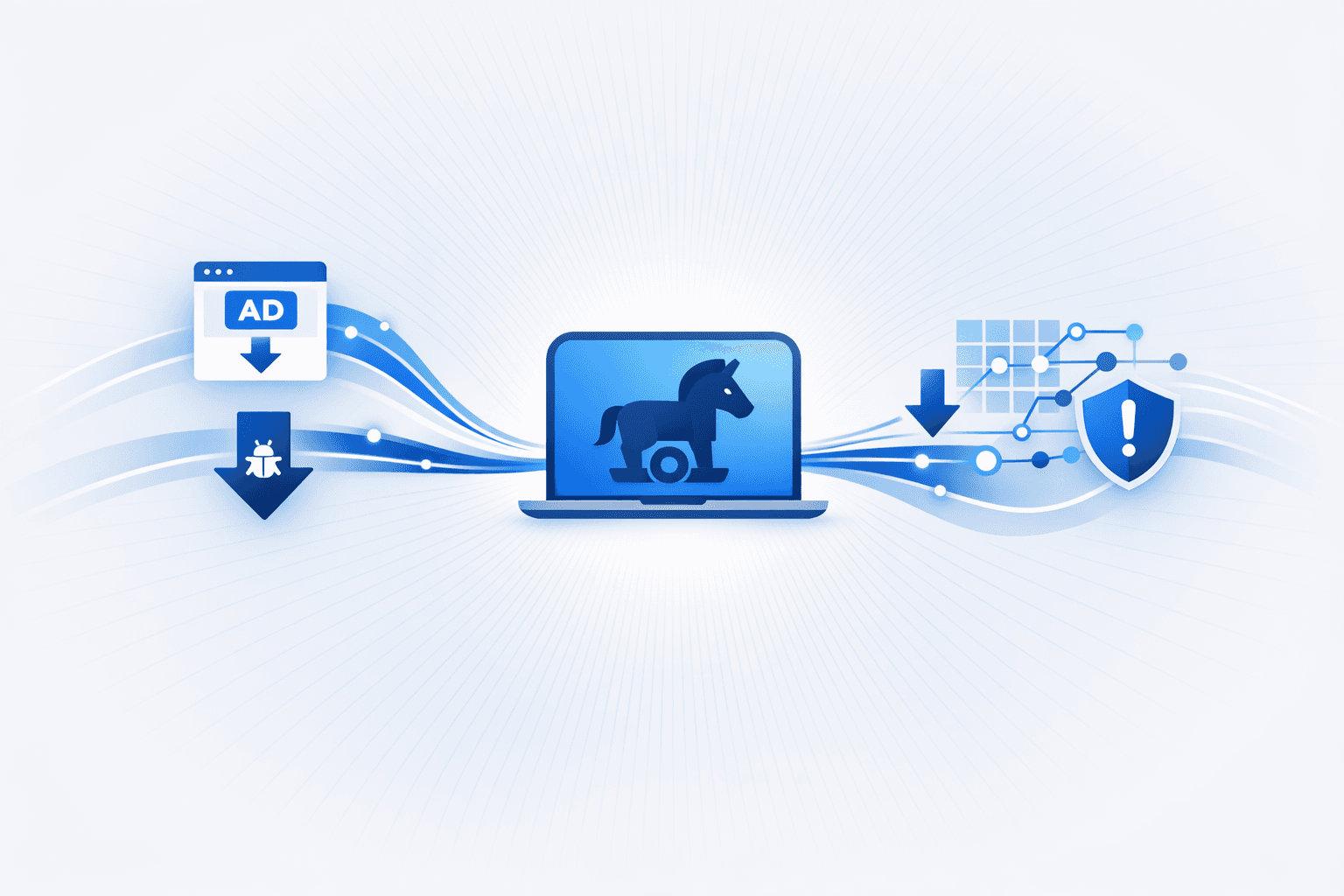
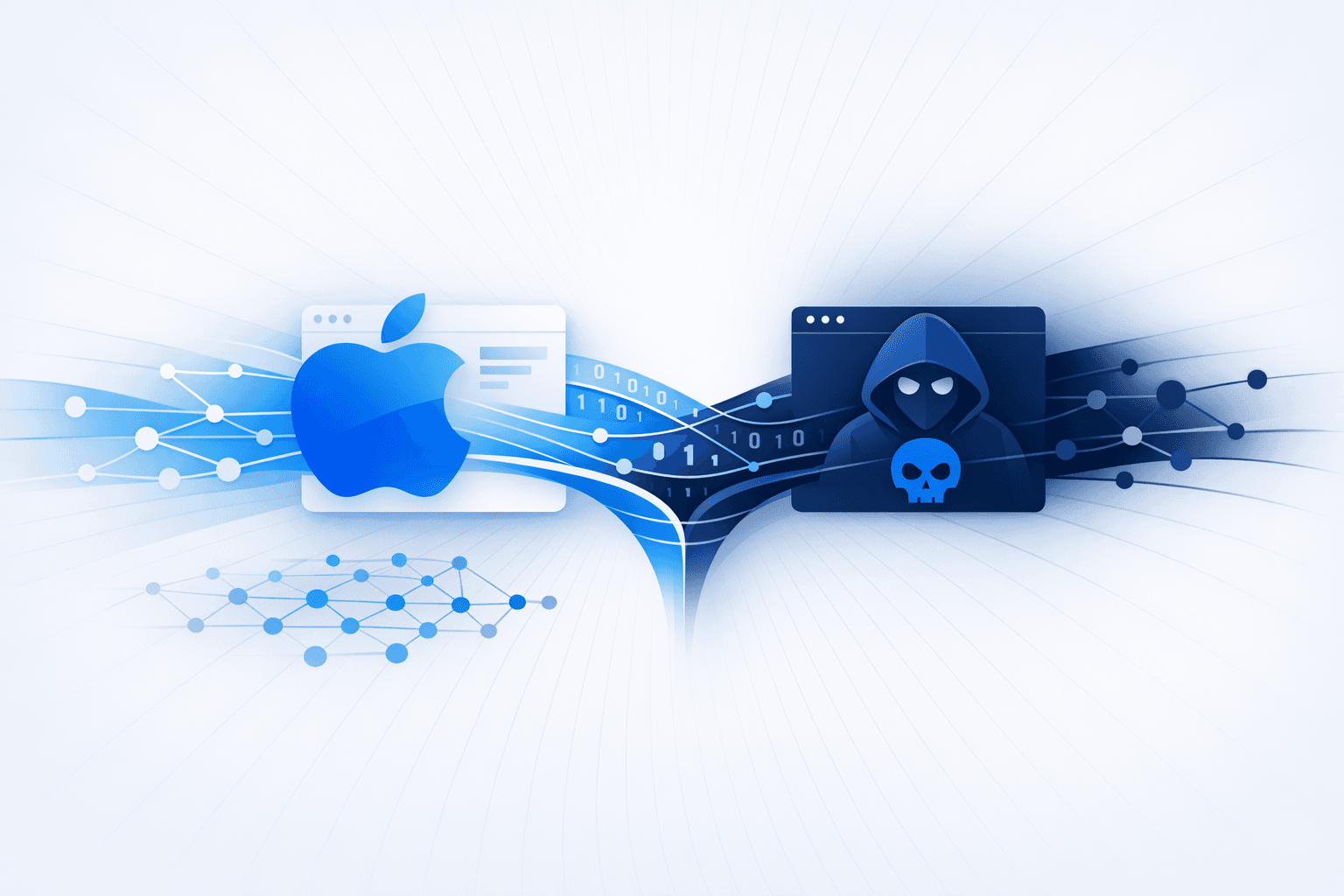
Researchers reported active distribution of multiple macOS information stealers, including newly identified Cuckoo malware and an updated Atomic Stealer (AMOS), through social engineering that impersonates trusted software. Intego said Cuckoo was disguised as Homebrew, while Malwarebytes documented Atomic Stealer being delivered through crack sites and a Google malvertising campaign that spoofed Slack for Mac users and dropped FakeBat on Windows systems.
The campaigns were designed to harvest sensitive data from Apple devices by tricking users into opening malicious DMG files and entering their system password. Malwarebytes said the latest AMOS build added payload encryption and string obfuscation to hinder detection, and was capable of stealing passwords, browser cookies, cryptocurrency wallet data, and other files, with exfiltration observed to 5.42.65[.]108. The reporting shows continued commercial development of macOS stealers and a growing use of fake software branding to target Mac users.
Why it matters
Impact assessment
macOS users are directly affected by active stealer campaigns abusing trusted software branding, including fake Homebrew installers and Slack-themed malvertising. The primary risk is credential theft, browser session hijacking, cryptocurrency wallet compromise, and theft of sensitive local files, which can lead to account takeover, financial loss, and downstream enterprise access.
The exposure is broader than a single targeted intrusion because delivery relied on crack sites and Google search ad malvertising, increasing reach to general Mac users and employees using unmanaged or lightly managed Apple devices. Researchers reported active in-the-wild distribution of both Cuckoo and Atomic Stealer, with Atomic Stealer showing continued commercial development and operational use.
Supporting facts
- Affected platforms: macOS primarily; Windows users were also exposed in the Slack malvertising chain via FakeBat.
- Affected user populations: Mac users seeking Homebrew, Slack, or pirated/cracked software.
- Business impact: theft of passwords, browser cookies, crypto wallet data, and other files can enable account takeover, fraud, and unauthorized access to corporate SaaS.
- Operational impact: stolen browser session cookies may bypass MFA in some cases by reusing valid session tokens.
- Scope: opportunistic and potentially widespread due to search advertising abuse and software impersonation.
- Known exploitation: yes, both reports describe active delivery campaigns and observed payload execution/exfiltration in the wild.
- Threat entities/tools named: Cuckoo, Atomic Stealer/AMOS, FakeBat.