PCPJack Cloud Worm Steals Credentials and Replaces TeamPCP Infections
Malware Intelligence · 5 sources · Updated 5mo ago · First seen May 7, 2026
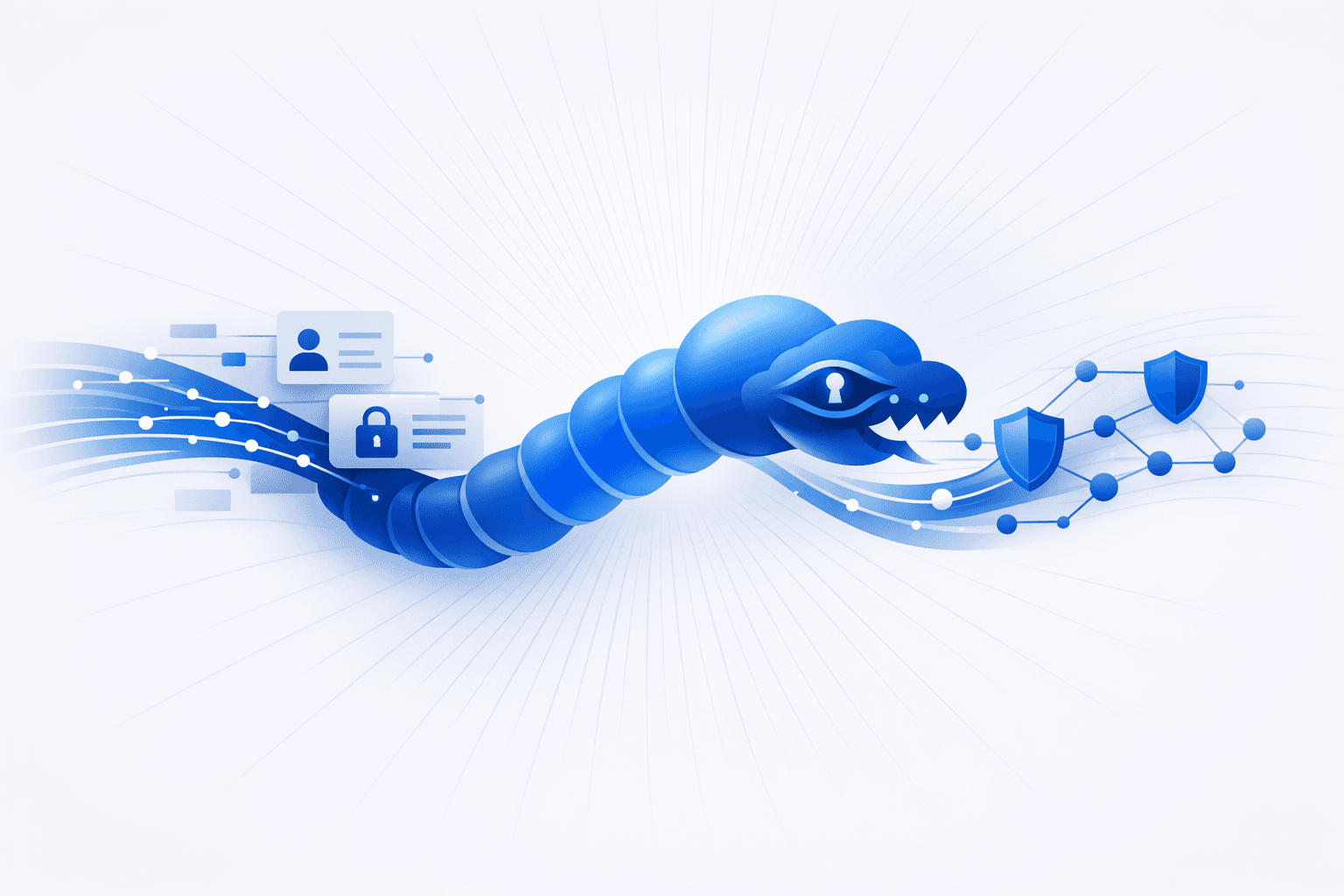
SentinelLABS reported that attackers are deploying PCPJack, a modular Linux- and Python-based cloud worm built to steal credentials at scale from exposed cloud infrastructure. The framework targets cloud, container, developer, productivity, and financial environments, then spreads laterally through Docker, Kubernetes, Redis, MongoDB, RayML, SSH, and vulnerable web applications. Researchers said the malware removes TeamPCP-related artifacts from compromised systems, indicating it is designed to replace or evict earlier TeamPCP infections rather than coexist with them.
The campaign used a staging server hosting two related toolsets: the main PCPJack framework and a secondary credential-harvesting shell script paired with Sliver beacons. Stolen data was exfiltrated through Telegram and to a typosquatted CloudFront-like domain, suggesting an operation focused on credential theft and follow-on abuse rather than cryptomining. SentinelLABS found overlaps with historical TeamPCP targeting and tooling, but said the available evidence does not conclusively show that PCPJack operators are members of TeamPCP.
Why it matters
Impact assessment
PCPJack affects internet-exposed Linux cloud and container environments, especially organizations running unauthenticated or weakly secured Docker, Kubernetes, Redis, MongoDB, RayML, and vulnerable web applications. The impact is high because the malware is built for credential theft at scale, lateral movement, persistence, and follow-on abuse including fraud, spam, extortion, and resale of stolen access.
The exposure is potentially widespread rather than narrowly targeted because PCPJack derives large target sets from Common Crawl data and scans cloud ranges continuously. Researchers reported active in-the-wild exploitation and autonomous worm-like propagation, with deliberate replacement of prior TeamPCP infections on compromised hosts.
Affected populations
- Cloud-hosted Linux workloads
- Containerized environments using Docker and Kubernetes
- Organizations exposing Redis, MongoDB, RayML, SSH, or admin/web application surfaces to the internet
- Development, productivity, messaging, financial, and cryptocurrency users whose secrets are stored on compromised hosts
Severity and business consequences
- Credential theft across cloud, developer, collaboration, email, financial, and crypto services
- Internal and external lateral movement from compromised infrastructure
- Persistence via systemd or cron, increasing dwell time and recovery complexity
- Potential downstream account takeover, cloud abuse, fraud, spam operations, extortion, and reputational damage
- Possible operational disruption where PCPJack removes existing malware/tooling and modifies host state
Scope and exploitation status
- In-the-wild campaign first observed in late April 2026
- Worm-like propagation across exposed services and vulnerable applications
- Broad internet-scale discovery using Common Crawl parquet datasets and cloud IP range collection
- No evidence in the provided reporting of destructive payloads or ransomware deployment, but stolen access can enable broader enterprise compromise