Cloud Malware Campaigns Hijack Exposed Redis and Kubernetes for Botnets and Credential Theft
Attack Surface Exposure · 6 sources · Updated 5mo ago · First seen Apr 1, 2026
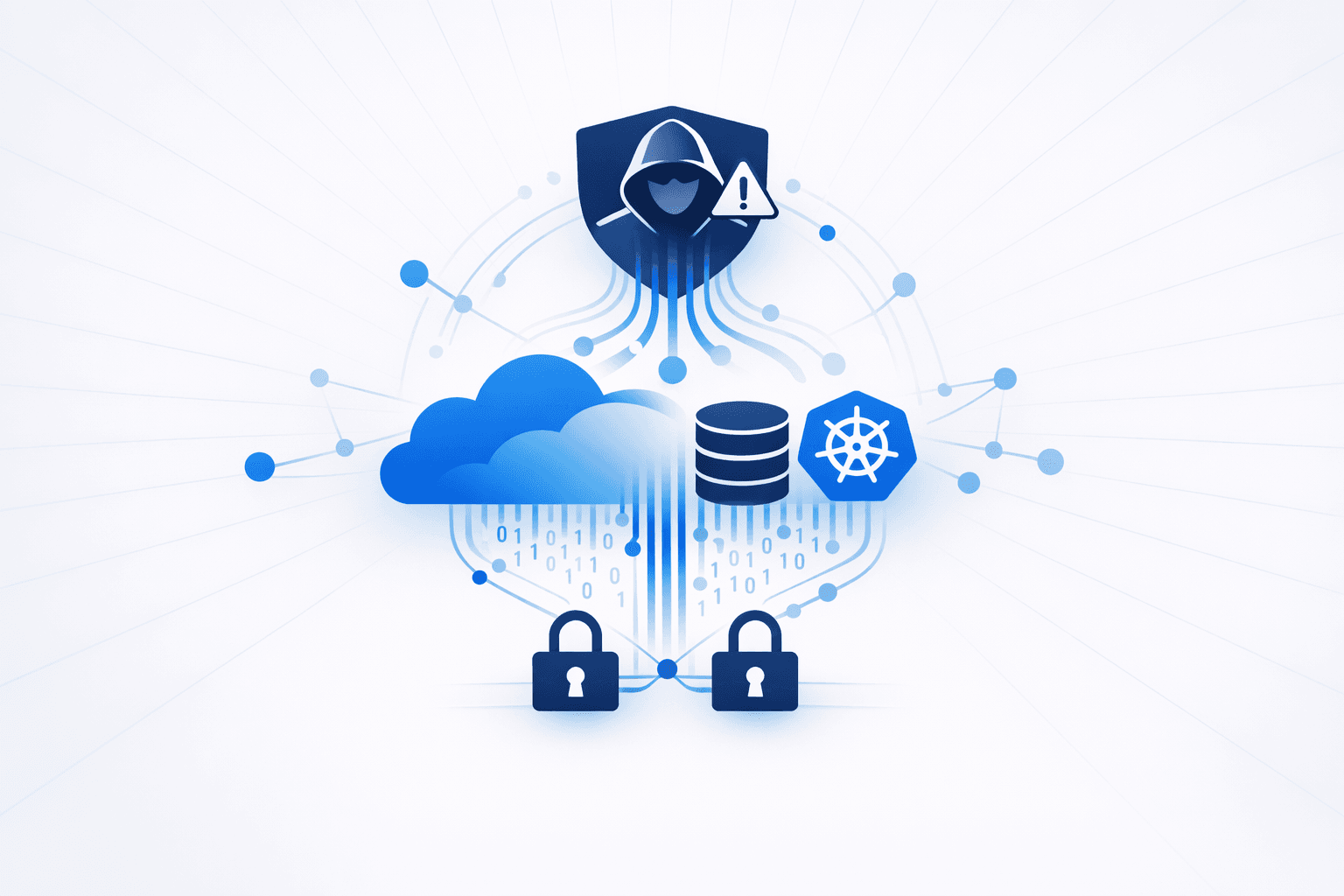
Security researchers reported multiple malware operations abusing exposed cloud services and misconfigurations to seize control of Kubernetes and containerized environments. FortiGuard Labs said the P2PInfect botnet compromised Google Kubernetes Engine clusters by targeting internet-exposed Redis instances, abusing replication through the SLAVEOF command and, in some cases, leveraging CVE-2022-0543 for remote code execution. The Rust-based malware uses a decentralized peer-to-peer architecture, non-standard ports, and long-lived dormant infections that can persist for months, creating a foothold for later delivery of ransomware, cryptominers, or other payloads.
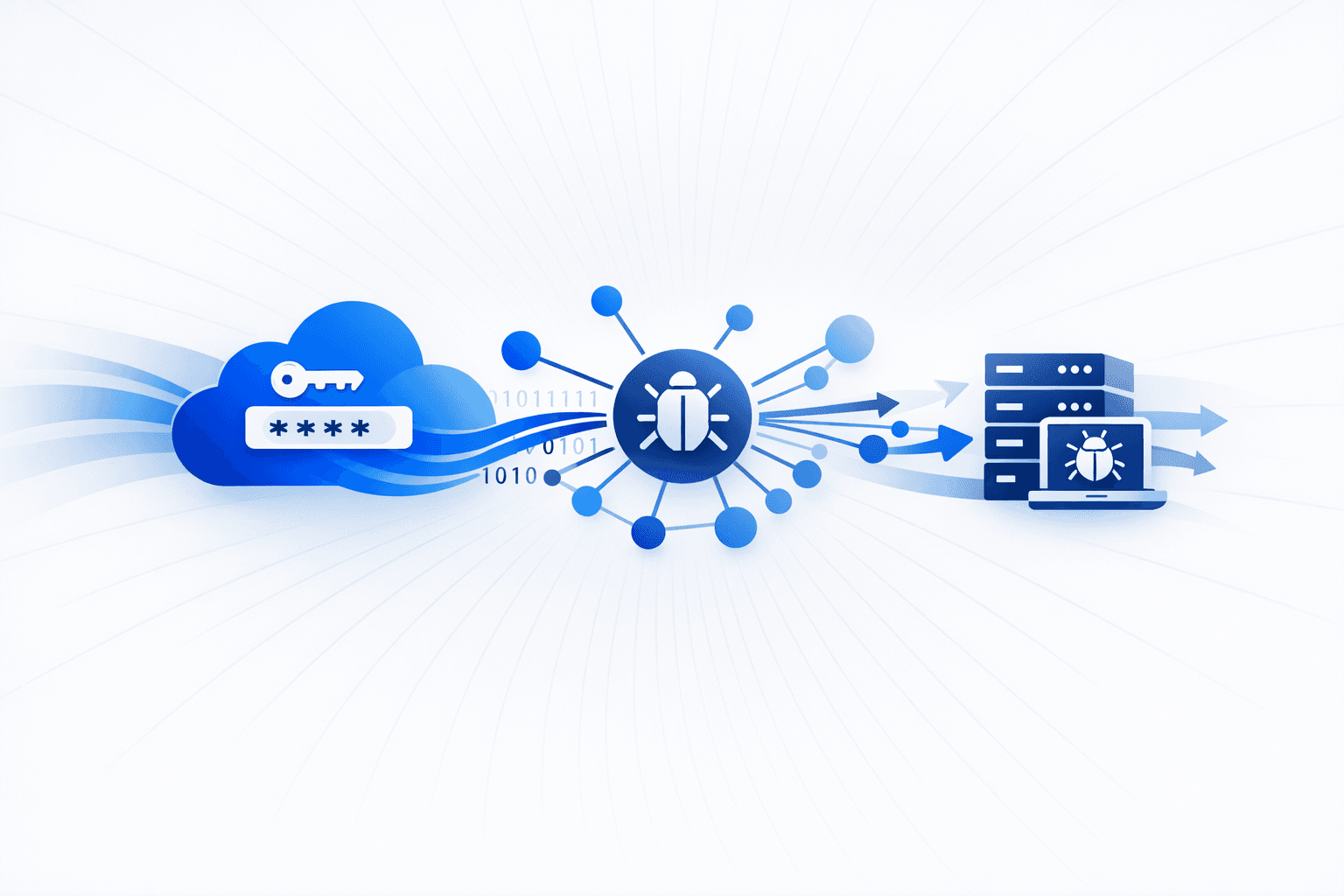
Separate reporting tied the activity to a broader rise in cloud-focused criminal operations that exploit known flaws and weak configurations rather than zero-days. Cyble profiled TeamPCP as a large-scale actor targeting Docker APIs, Kubernetes components, Ray dashboards, and Redis to convert victim infrastructure into proxy, command-and-control, ransomware, and Monero mining nodes. Researchers also described a newer framework, PCPJack, that appears to piggyback on already compromised cloud environments by wiping TeamPCP artifacts, stealing secrets from AWS, Docker, Kubernetes, GitHub, Slack, Office 365, and other services, and exfiltrating encrypted data to Telegram while spreading worm-like across exposed Docker, Kubernetes, Redis, MongoDB, and RayML services.
Why it matters
Impact assessment
Cloud-reliant organizations running exposed Redis, Docker, Kubernetes, Ray, MongoDB, or related administrative services are directly affected, with managed Kubernetes environments such as Google Kubernetes Engine specifically observed in compromises. Impact ranges from durable botnet enrollment and credential theft to later-stage ransomware, cryptomining, proxy abuse, and reuse of victim infrastructure for command-and-control and scanning.
The exposure is broad and opportunistic rather than narrowly targeted. Multiple sources describe active exploitation in the wild, including persistent P2PInfect infections lasting up to six months in GKE clusters and PCPJack stealing secrets from cloud and SaaS platforms after taking over already-compromised environments.
Supporting details
- Affected environments:
- Google Kubernetes Engine clusters
- Internet-exposed Redis instances
- Exposed Docker APIs
- Kubernetes API servers and kubelets
- Ray dashboards / RayML services
- MongoDB services
- React Native Metro development servers
- Affected sectors called out for TeamPCP activity:
- Banking, Financial Services, and Insurance
- Consumer Goods
- Professional Services
- Business impact:
- Long-term unauthorized footholds in production cloud environments
- Theft of AWS, GitHub, Slack, Office 365, Docker, Kubernetes, SSH, and other credentials/secrets
- Potential ransomware deployment and Monero cryptomining
- Abuse of victim infrastructure for proxying, scanning, and C2 hosting
- Elevated risk of lateral movement across containerized and cloud-native estates
- Scope and exploitation status:
- Opportunistic, internet-scale exploitation of exposed services and weak configurations
- Known in-the-wild activity reported by FortiGuard Labs and Cyble
- One P2PInfect compromise reportedly persisted for six months
- TeamPCP activity observed across multiple countries including the UAE, Canada, South Korea, Serbia, the US, and Vietnam