China-Linked Groups Built Covert Botnets From Compromised Routers and IoT Devices
Threat Actor Intelligence · 7 sources · Updated 5mo ago · First seen Apr 14, 2026
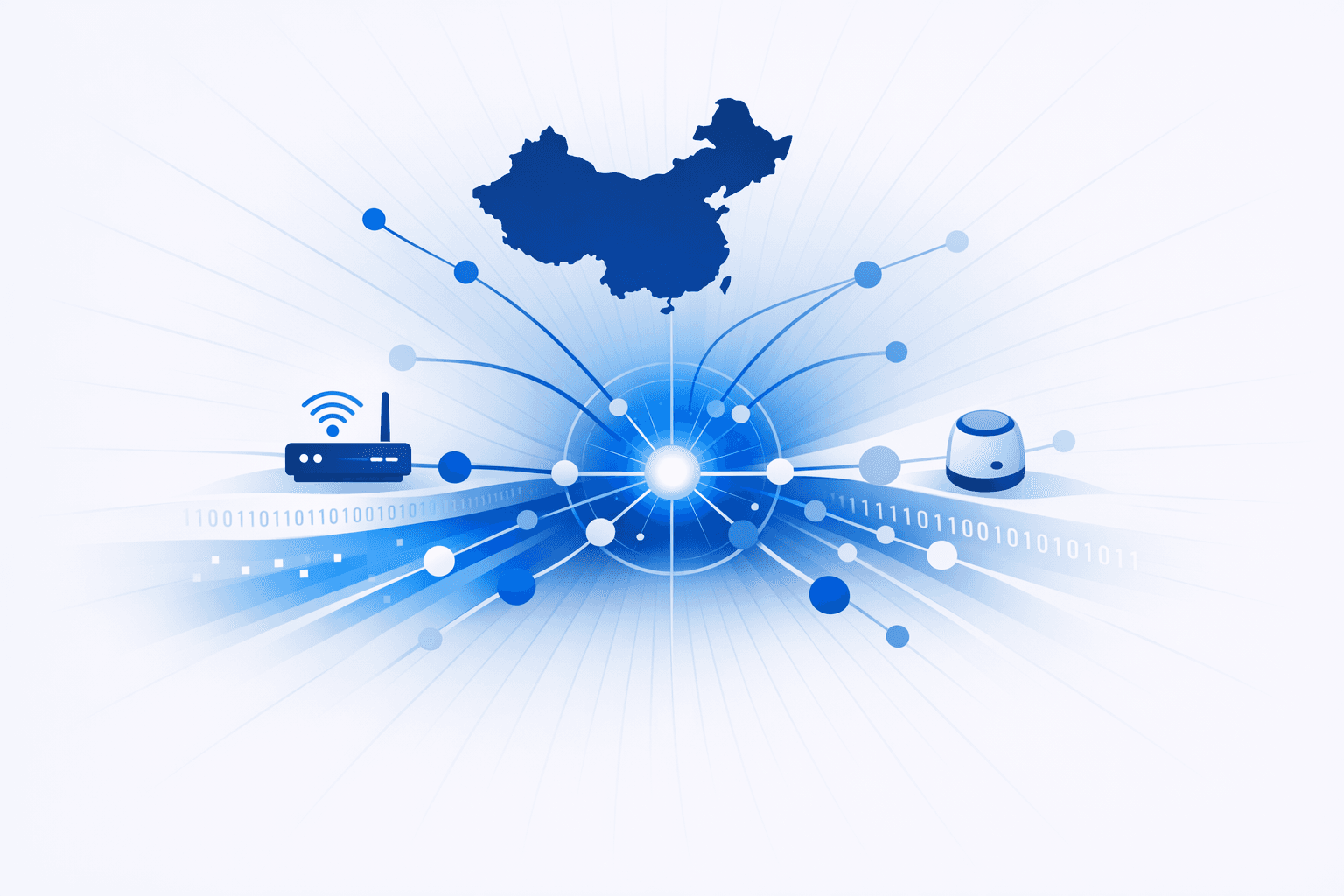
A joint advisory from the UK NCSC, the United States, and other international partners warned that China-nexus threat actors are increasingly using large covert networks of compromised SOHO routers, IoT devices, firewalls, and NAS systems to route malicious traffic, hide attribution, and support espionage and disruptive operations. The warning said these botnet-style proxy networks are used across the full cyber kill chain, from reconnaissance and malware delivery to command-and-control and data theft, and identified activity tied to Volt Typhoon, Flax Typhoon, and the Raptor Train botnet. Officials said Volt Typhoon’s KV Botnet relied heavily on end-of-life Cisco and Netgear routers, while Raptor Train infected more than 200,000 devices worldwide and was reportedly controlled by Integrity Technology Group.
Governments said the scale and churn of these compromised-device networks make traditional static IP blocklists increasingly ineffective, creating what some reporting described as rapid indicator loss or “IOC extinction.” Agencies urged organizations to map internet-facing and edge assets, baseline normal traffic from routers and IoT devices, enforce MFA, apply dynamic threat intelligence, use allow-listing and zero trust controls, and actively hunt for suspicious proxy-node behavior on residential, branch, and enterprise-connected infrastructure. The disclosures also linked the threat to broader Chinese pre-positioning activity against critical infrastructure and telecom environments, underscoring how weakly secured edge devices continue to provide durable operational cover for state-backed intrusions.
Why it matters
Impact assessment
China-nexus threat actors are using large, shared botnet-style proxy networks built from compromised SOHO routers, IoT devices, firewalls, and NAS systems to support espionage, intrusion operations, and potential disruptive attacks. Organizations most at risk are those targeted by Chinese state activity, especially critical infrastructure, telecom, and enterprises with exposed remote access or branch-edge equipment; the impact includes stealthier intrusions, data theft, and pre-positioning for future operational disruption.
Key business implications
- Affected populations: organizations targeted by China-linked actors, with elevated risk for critical national infrastructure, telecom providers, enterprises with distributed branches, and environments relying on internet-facing VPN or remote access.
- Exposure scope: global and widespread. Advisory participants assessed that a majority of China-nexus actors use these covert networks and that multiple actors may share the same infrastructure.
- Severity: high. These networks support reconnaissance, malware delivery, command-and-control, and data exfiltration while obscuring attribution and bypassing static IP-based defenses.
- Operational risk: compromised edge devices create durable attacker cover, increasing dwell time and reducing the effectiveness of conventional perimeter controls.
- Known incidents: Volt Typhoon used the KV Botnet to support pre-positioning against critical infrastructure; Raptor Train infected more than 200,000 devices worldwide in 2024; Flax Typhoon was linked to separate covert infrastructure. Governments also cited prior disruption of the SocksEscort residential proxy service affecting hundreds of thousands of routers.
Entities and sectors named
- Threat groups: Volt Typhoon, Flax Typhoon
- Infrastructure/botnets: KV Botnet, Raptor Train, SocksEscort
- Company named: Integrity Technology Group
- Government entities: NCSC-UK, CISA, NSA, FBI, DC3, ASD/ACSC, Canadian Centre for Cyber Security, BfV, BND, BSI, Japan NCO, AIVD, MIVD, NCSC-NZ, CCN, NCSC-SE