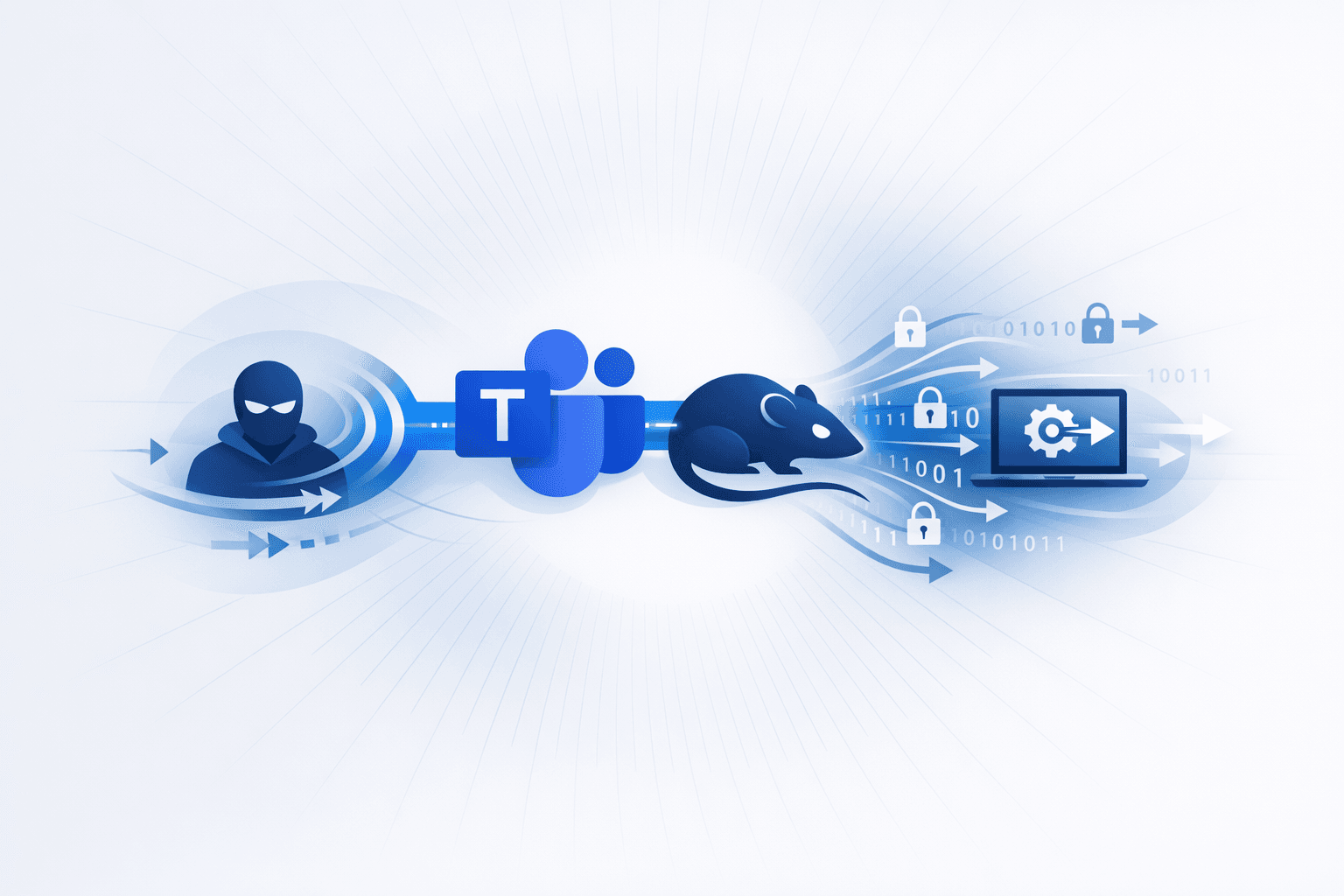
Fake Microsoft Teams Installers Deliver ValleyRAT via DLL Sideloading
Malware Intelligence · 3 sources · Updated 5mo ago · First seen Apr 10, 2026
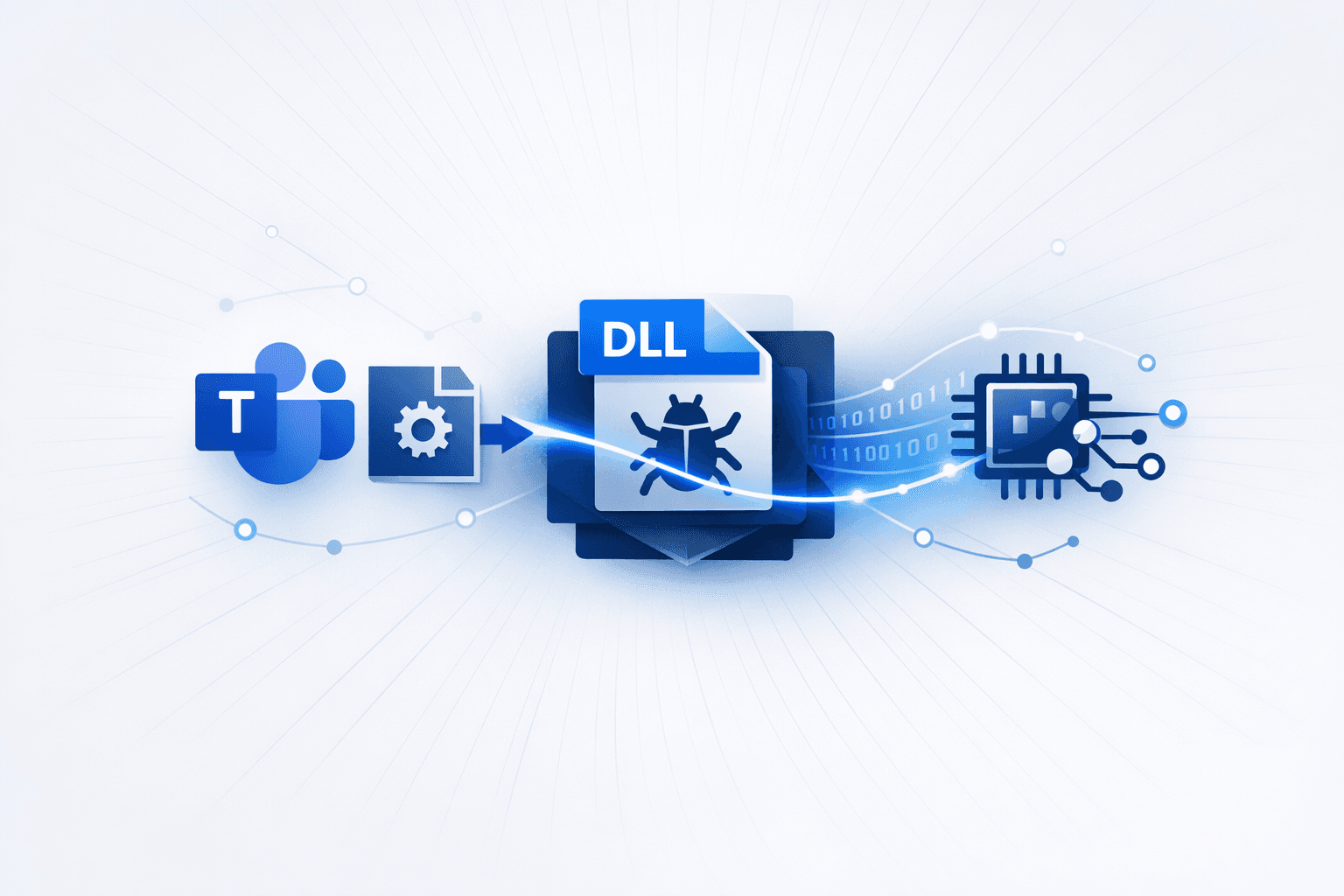
A malware campaign is using fake Microsoft Teams download pages promoted on X to lure corporate users into installing trojanized ZIP archives that deploy ValleyRAT. Researchers said the infection chain relies on an NSIS installer and DLL sideloading through Tencent’s legitimate GameBox.exe, then uses PowerShell to add Windows Defender exclusions, hide files, and establish persistence through unauthorized service creation and registry artifacts including _CCGDAT.
Once executed, the loader decrypts staged payloads from user.dat in memory using AES and XOR, with additional evasion through API hashing and reflective loading. The final ValleyRAT payload captures keystrokes, clipboard contents, and active-window activity before exfiltrating data to command-and-control infrastructure at 103.215.77.17; researchers said the campaign shows Chinese-language artifacts and behavioral overlaps that likely tie it to the SilverFox APT cluster.
Why it matters
Impact assessment
ValleyRAT is targeting corporate users through fake Microsoft Teams installers and phishing-delivered ZIP archives, with confirmed impact extending to overseas branches of multinational corporations. Affected populations include Chinese-speaking and Japanese-speaking users, especially employees likely to install collaboration software or open HR-themed email attachments.
The impact is high for endpoint confidentiality and operational integrity because the malware provides remote access, captures keystrokes, clipboard contents, and active-window activity, and can persist through services and registry autoruns. Exposure appears broader than a single targeted intrusion set: researchers observed sustained activity since 2025 for fake installers, expansion into email campaigns in 2026, and increasing detections through 2026, with active command-and-control infrastructure and multiple observed delivery channels.
Supporting facts
- Affected users: corporate users, multinational enterprise branches, Chinese-speaking users, and Japanese-speaking users.
- Delivery channels: fake Microsoft Teams download pages promoted on X and phishing emails with ZIP attachments/links.
- Business risk: credential theft, sensitive data theft from clipboard and keystrokes, unauthorized remote control, and persistence on enterprise endpoints.
- Operational risk: malware adds Windows Defender exclusions, hides files, and creates unauthorized services/registry autoruns, increasing dwell time and complicating remediation.
- Scope: ongoing multi-campaign activity observed since 2025, with increased ValleyRAT detections from May 2025 into 2026.
- Exploitation in the wild: yes; researchers analyzed active campaigns and confirmed compromises, including overseas branches of multinational corporations.
- Attribution: multiple reports link activity to SilverFox, but LevelBlue states ValleyRAT use alone is insufficient for definitive attribution.