Pakistani Spyware Campaigns Expanded GravityRAT and APT36 Targeting of Indian Entities
Threat Actor Intelligence · 8 sources · Updated 4mo ago · First seen Jun 13, 2024

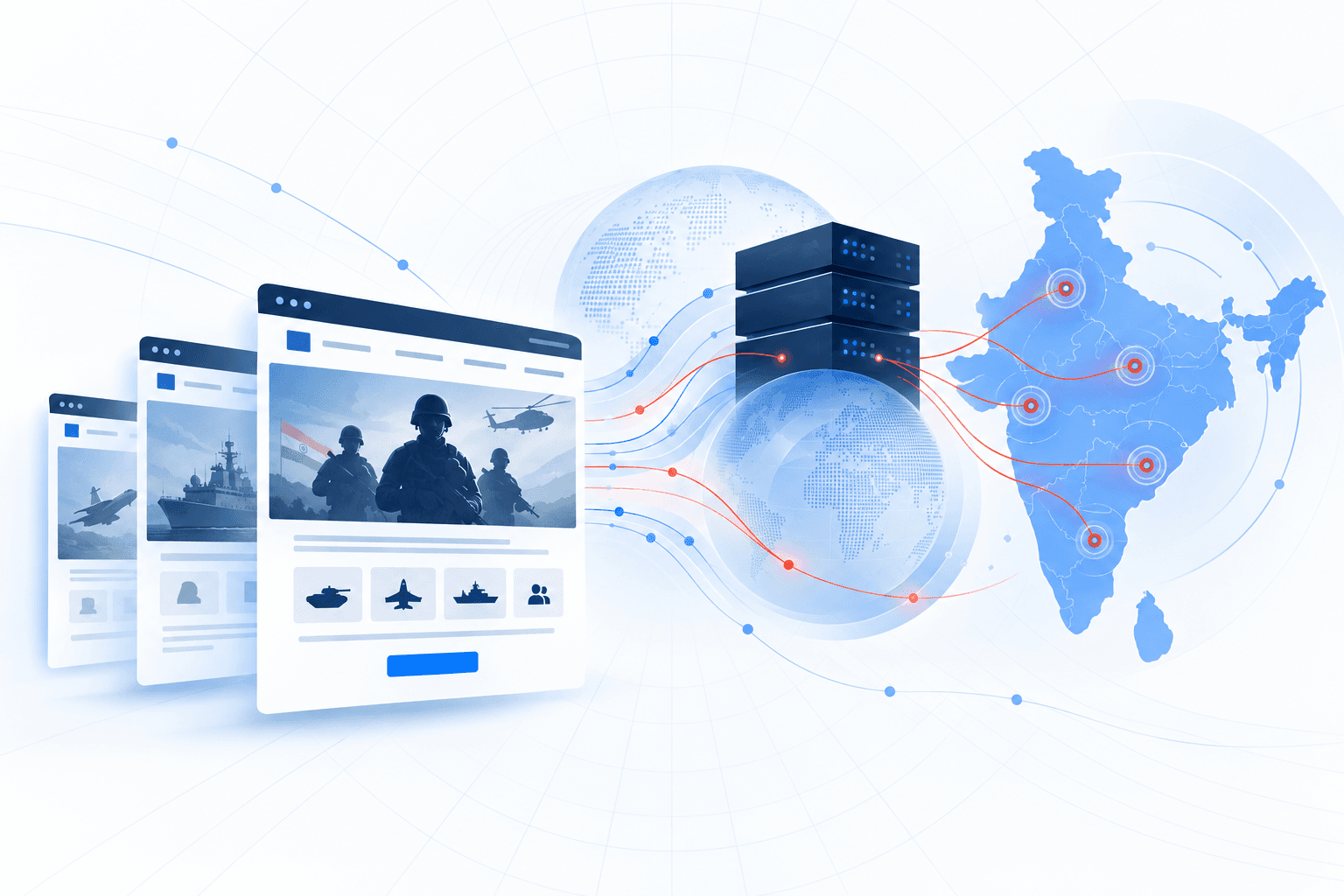
Researchers reported that Pakistani-linked espionage operations continued to target Indian defense, government, police, and technology-related personnel with evolving malware delivered through spear phishing, social engineering, and trojanized applications. Cisco Talos said Operation Celestial Force, attributed to the Cosmic Leopard cluster, has run since at least 2018 and uses a cross-platform toolset including GravityRAT for Windows and Android, the HeavyLift Electron-based loader, and the GravityAdmin campaign management utility. Earlier Securelist research showed GravityRAT had already expanded from Windows into Android and macOS, using fake apps and spoofed update domains to steal device data, messages, call logs, documents, screenshots, keystrokes, and other files while maintaining persistence and enabling remote command execution.
Separate reporting tied APT36 / Transparent Tribe / Mythic Leopard to parallel campaigns against Indian military and government targets using counterfeit apps and themed lures. Securelist documented trojanized Android apps, including a fake Aarogya Setu app, that deployed a modified AhMyth RAT capable of downloading additional APKs, recording audio, deleting selected SMS messages, and exfiltrating contacts, WhatsApp media, documents, and other data. BleepingComputer, citing Talos, also described fake Kavach authentication apps used to infect Indian government employees with updated CrimsonRAT and a lightweight .NET RAT, underscoring a sustained effort to refine mobile and desktop surveillance malware for intelligence collection.
Why it matters
Impact assessment
Pakistani-linked espionage activity continues to target Indian defense, government, police, and related technology personnel through mobile and desktop malware, with emphasis on surveillance and data theft rather than disruptive effects. The impact is high for affected organizations because the malware families support credential theft, file theft, screenshots, keylogging, call and SMS collection, location tracking, and follow-on payload delivery across Windows, Android, macOS, and some UNIX-like systems.
Summary
The exposure is targeted rather than indiscriminate, but it is sustained, multi-year, and operationally mature. There are known active campaigns and prior victim reporting in India, including narrowly targeted mobile operations and long-running social-engineering activity against government and military users.
Supporting details
- Primary affected populations: Indian defense, military, government, police, and government-adjacent technology personnel.
- Additional sectors cited across references: diplomatic, education, energy, and research organizations.
- Malware delivery themes impersonate trusted Indian services and workflows, including Kavach and Aarogya Setu, increasing the likelihood of successful compromise among government users.
- Business impact includes espionage-driven loss of sensitive communications, documents, credentials, device telemetry, and operational information.
- Mobile-device compromise materially increases risk because Android implants can access SMS, call logs, contacts, WhatsApp media and backups, recordings, and location data.
- Scope is targeted and selective, not mass exploitation; examples include gated distribution sites such as bingechat[.]net and social-media trust-building before payload delivery.
- Exploitation in the wild is established by multiple independent reports describing ongoing campaigns from at least 2015/2016 through 2024.
- Reported victim evidence includes around 100 infections among defense, police, and other departments in one GravityRAT reporting stream, plus at least one India detection tied to Chatico in ESET telemetry.