Pakistan-Linked APTs Intensify Espionage Against Indian Government, Defense, and Education
Threat Actor Intelligence · 7 sources · Updated 4mo ago · First seen Jul 23, 2024

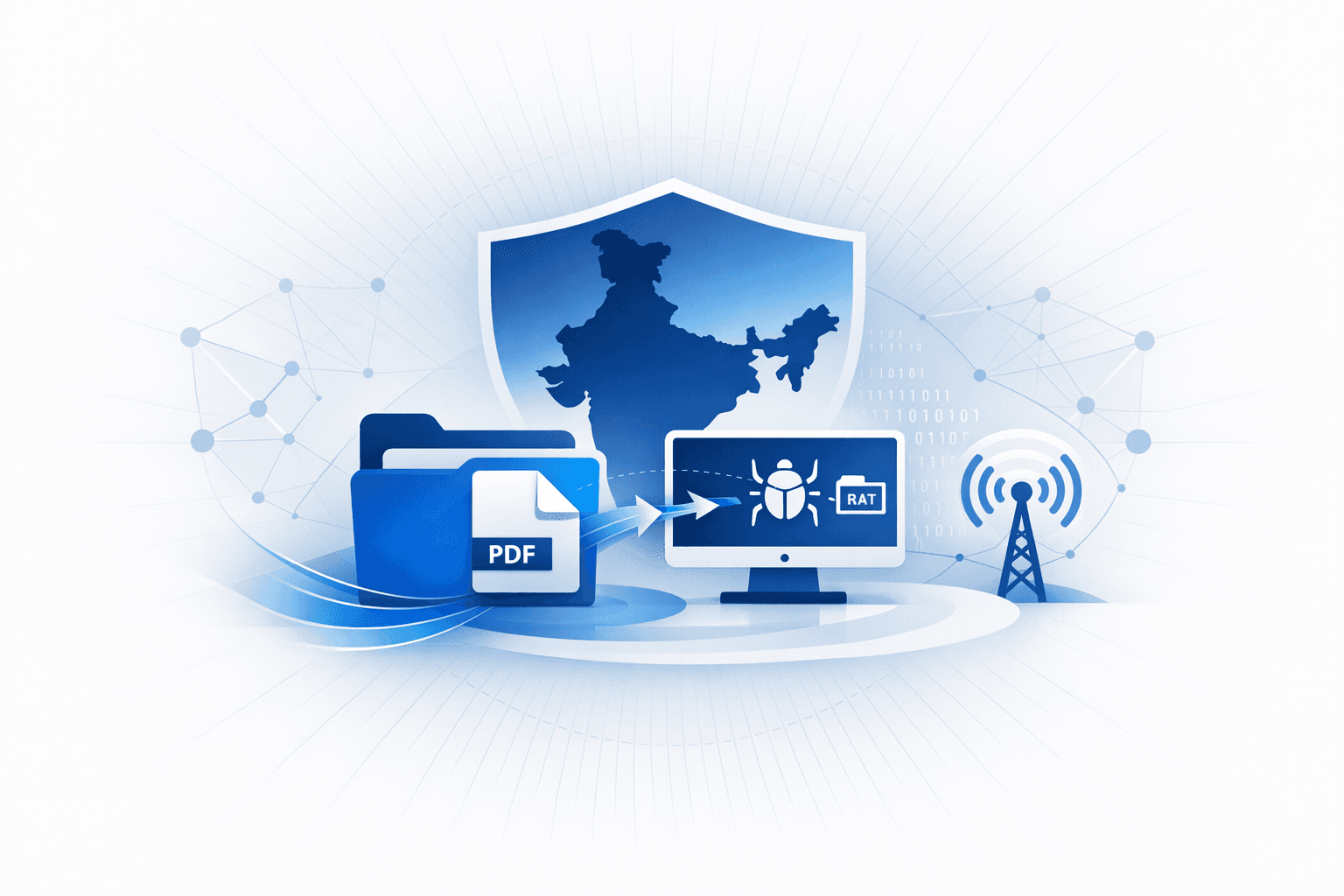
Pakistan-linked threat activity targeting Indian organizations has expanded across government, defense, education, and energy sectors, with researchers tying much of the activity to Transparent Tribe (APT36) and SideCopy. Seqrite reported that SideCopy ran multiple spear-phishing campaigns using malicious LNK files, MSHTA, staged HTA and DLL payloads, and dual AllaKore RAT variants against Indian government and military-themed targets, while Transparent Tribe used XLAM add-ins, macro-enabled files, and updated Crimson RAT delivery chains. Infrastructure overlaps, malware similarities, and passive DNS correlations were cited as evidence linking the groups, and lures referenced Indian Ministry of Defence allowances, DGMS themes, and Army posting policies to increase credibility.
Other reporting shows the same broader espionage pattern has persisted for years and widened beyond traditional military targets. SentinelOne, K7, and Seqrite documented Transparent Tribe campaigns against Indian educational institutions using malicious Office documents and .NET malware with Crimson RAT-like behavior, while Cyble described a defense-themed malware chain delivered in a .vhdx image that checked for India Standard Time before deploying a second-stage payload. Separately, EclecticIQ's Operation FlightNight targeted Indian government entities and private energy companies with an ISO-delivered stealer based on HackBrowserData, exfiltrating browser data and selected documents to attacker-controlled Slack workspaces; analysts linked it to an earlier Go-Stealer campaign and assessed the motive as cyber espionage.
Why it matters
Impact assessment
Pakistan-linked espionage activity is affecting Indian government, defense, education, and energy organizations, with repeated targeting of military personnel, public-sector entities, universities, and private energy firms. The impact is high because the campaigns enable credential theft, document exfiltration, persistent remote access, and follow-on intrusion, with at least one campaign reporting 8.81 GB of stolen data.
Supporting details
- Affected sectors:
- Indian government entities
- Defense and military personnel and organizations
- Educational institutions including IITs, NITs, business schools, and Delhi university-themed targets
- Private Indian energy companies
- Threat actors/entities:
- Transparent Tribe / APT36 / Mythic Leopard
- SideCopy
- Unattributed actor behind Operation FlightNight, with overlaps to Go-Stealer
- Severity:
- Espionage-driven theft of browser credentials, cookies, documents, screenshots, system data, and operational files
- Persistent access via RATs and registry/startup persistence can support long-term surveillance and secondary payload delivery
- Energy-sector victims reportedly lost financial records, employee personal data, and drilling-related information
- Scope:
- Broad but regionally focused targeting centered on Indian interests
- Campaigns span multiple years and multiple lure themes, indicating sustained and scalable operations rather than isolated incidents
- Exploitation in the wild:
- Yes. Multiple active spear-phishing and malware delivery campaigns were observed across 2021-2024
- Operation FlightNight resulted in confirmed exfiltration of 8.81 GB
- Seqrite, K7, SentinelOne, Cyble, and EclecticIQ all documented live campaign activity