North Korean Phishing Campaign Uses GitHub as Covert C2 Against South Korean Firms
Threat Actor Intelligence · 7 sources · Updated 5mo ago · First seen Apr 3, 2026

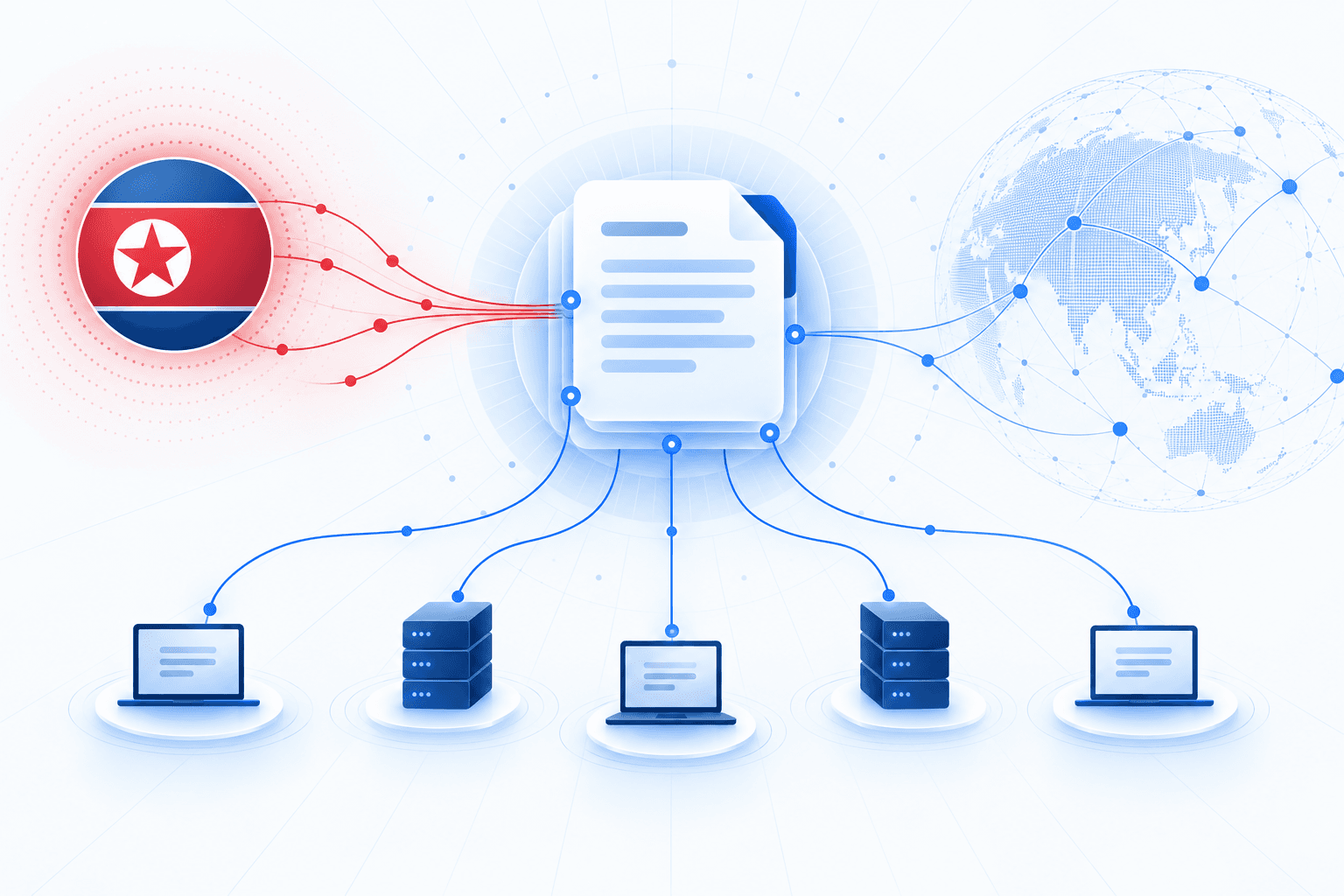
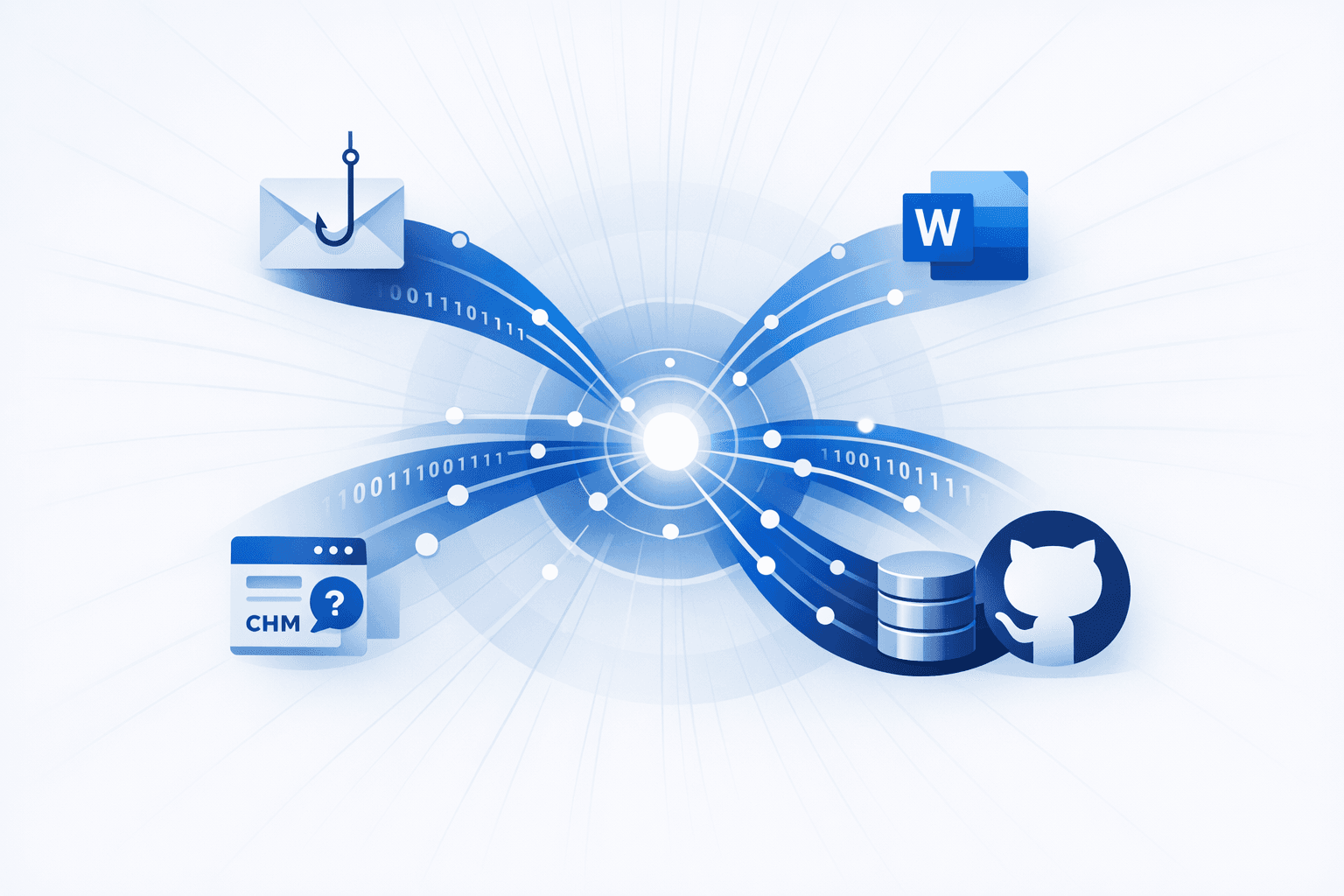
FortiGuard Labs reported a high-severity cyber espionage campaign linked to North Korean state-sponsored actors that targets organizations in South Korea with phishing emails carrying malicious Windows .lnk files disguised as PDF documents. When opened, the shortcut launches PowerShell and other native Windows scripting tools while showing a decoy document, then performs anti-analysis checks for tools including Wireshark, Fiddler, x64dbg, Procmon, and vmtoolsd. Researchers said the operation has been active since at least 2024 and has evolved from earlier, less-obfuscated variants associated with XenoRAT into more sophisticated samples that embed decoding logic and payload data directly in the shortcut file.
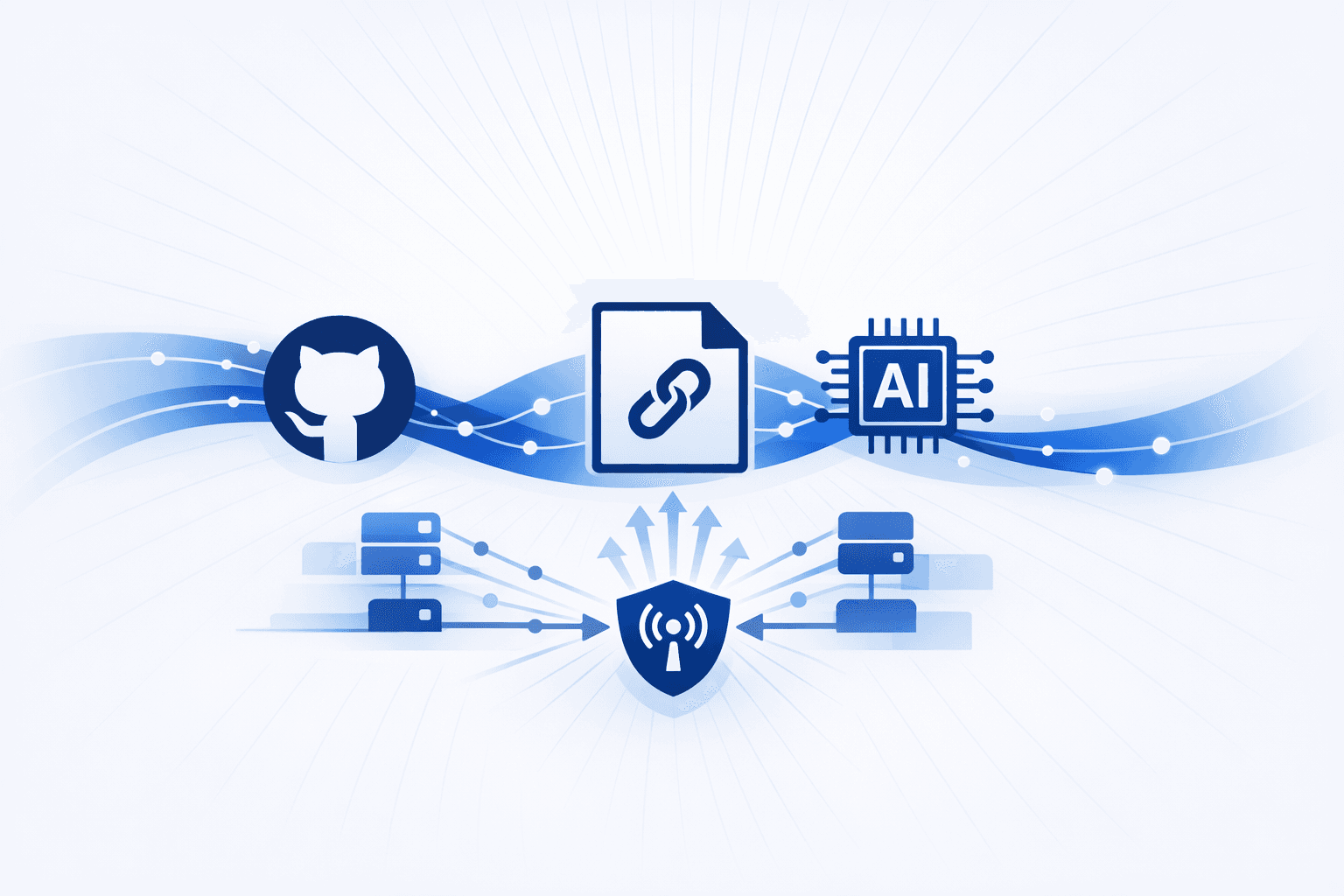
The malware establishes persistence through a Scheduled Task disguised as a technical paper and set to run every 30 minutes, then collects host data such as OS version, build number, process lists, and keep-alive logs. Operators used trusted GitHub accounts and private repositories as covert command-and-control and data-staging infrastructure, allowing malicious HTTPS traffic to blend with normal web activity while exfiltrating system information and retrieving follow-on instructions. Decoy filenames and metadata, including the "Hangul Document" naming convention, indicate deliberate targeting of South Korean companies and tradecraft aligned with clusters such as Kimsuky, APT37, and Lazarus.
Why it matters
Impact assessment
This is a targeted cyber espionage campaign against South Korean organizations and Windows users in corporate environments, with tradecraft consistent with DPRK-linked operators including Kimsuky. The primary impact is covert surveillance, host profiling, and follow-on access rather than immediate destructive effects, but successful compromise can enable credential theft, lateral movement, data loss, and prolonged intelligence collection.
The exposure appears targeted rather than indiscriminate, using phishing lures tailored to Korean business contexts and decoy filenames aligned to South Korean firms. There is no cited mass exploitation, but the reporting describes active operations since at least 2024 and ongoing real-world use of the infection chain.
Supporting facts
- Target geography: South Korea.
- Target population: organizations, companies, and Windows users in corporate environments.
- Likely sectors: business users receiving purchase-order, proposal, partnership, and technical-paper themed lures.
- Affected platform: Microsoft Windows.
- Severity: reported as high severity by FortiGuard Labs.
- Operational impact: persistence every 30 minutes via Scheduled Task supports long-term access.
- Data at risk: OS version, build number, boot time, process lists, network configuration, keep-alive logs, and other host profiling data.
- Adversary objective: surveillance and intelligence collection.
- In-the-wild activity: yes; campaign reported active since at least 2024.
- Attribution/entities named: Kimsuky, APT37, Lazarus, ScarCruft, FortiGuard Labs, AhnLab, ENKI, Trellix.
- Social engineering themes: fake purchase orders, technical papers, financial proposals, strategic partnership agreements.